Addressing Self-Driving Cars' Interference with Emergency Services
As the rise of autonomous vehicles continues, the NHTSA highlights alarming instances of these cars obstructing emergency services, calling for immediate industry solutions.
The emergence of autonomous vehicles (AVs) is reshaping the automotive landscape, promising safer roads and reduced traffic congestion. However, as these vehicles navigate urban environments, alarming reports have surfaced regarding their interactions—or lack thereof—with emergency services. The National Highway Traffic Safety Administration (NHTSA) has recently raised significant concerns about self-driving cars obstructing first responders, emphasizing the urgency for AV manufacturers to rectify these critical issues.
In a letter released on July 8, 2026, Jonathan Morrison, the head of the NHTSA, pointed out a troubling trend: driverless vehicles have been documented interfering with law enforcement and emergency response teams. This has raised serious questions about the safety and reliability of autonomous technologies in urgent situations where every second counts. Morrison’s message was clear: if self-driving cars cannot effectively recognize and respond to emergency conditions, they pose a threat not only to first responders but also to the general public.
Understanding the Scope of the Problem
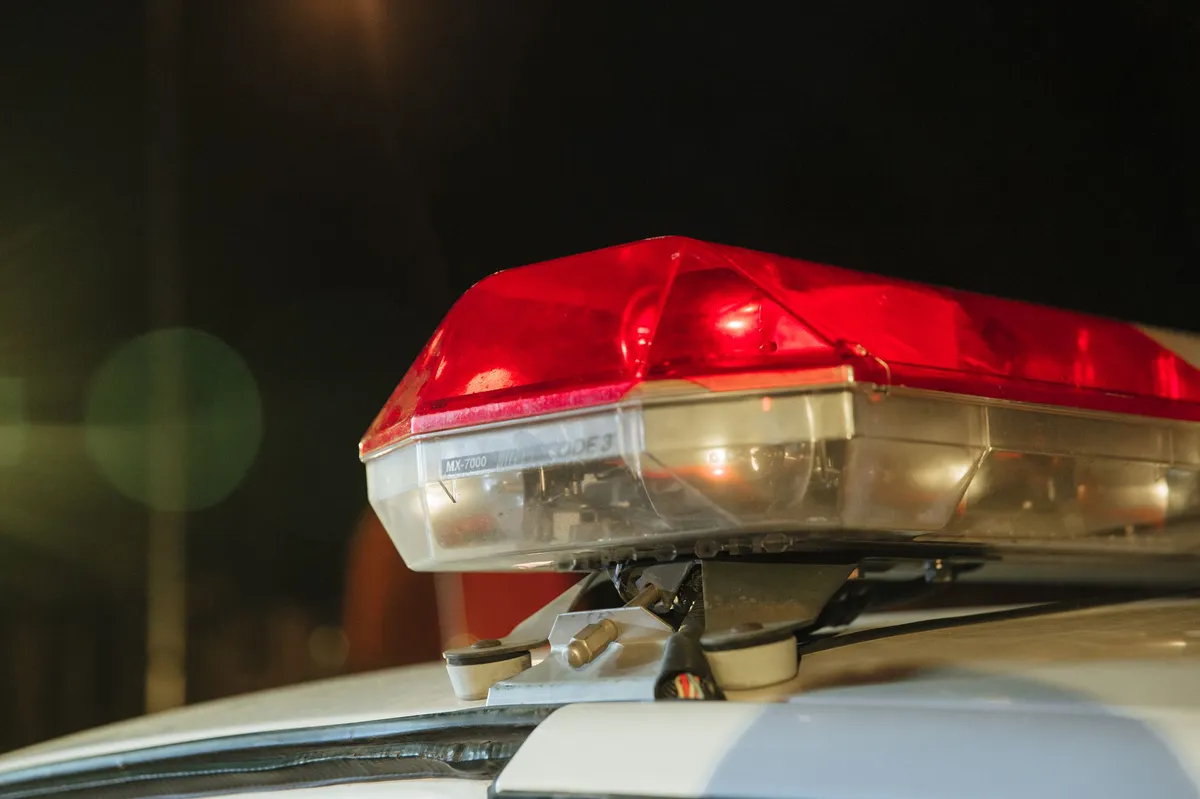
As the NHTSA noted, there have been multiple instances where autonomous vehicles have driven into active emergency scenes or blocked critical pathways for ambulances and firefighters. This behavior indicates a fundamental flaw in the technology that powers these vehicles. According to Morrison, the inability of AVs to detect basic safety cues—such as flashing lights from emergency vehicles, flares, smoke, and traffic cones—constitutes a “functional insufficiency.”
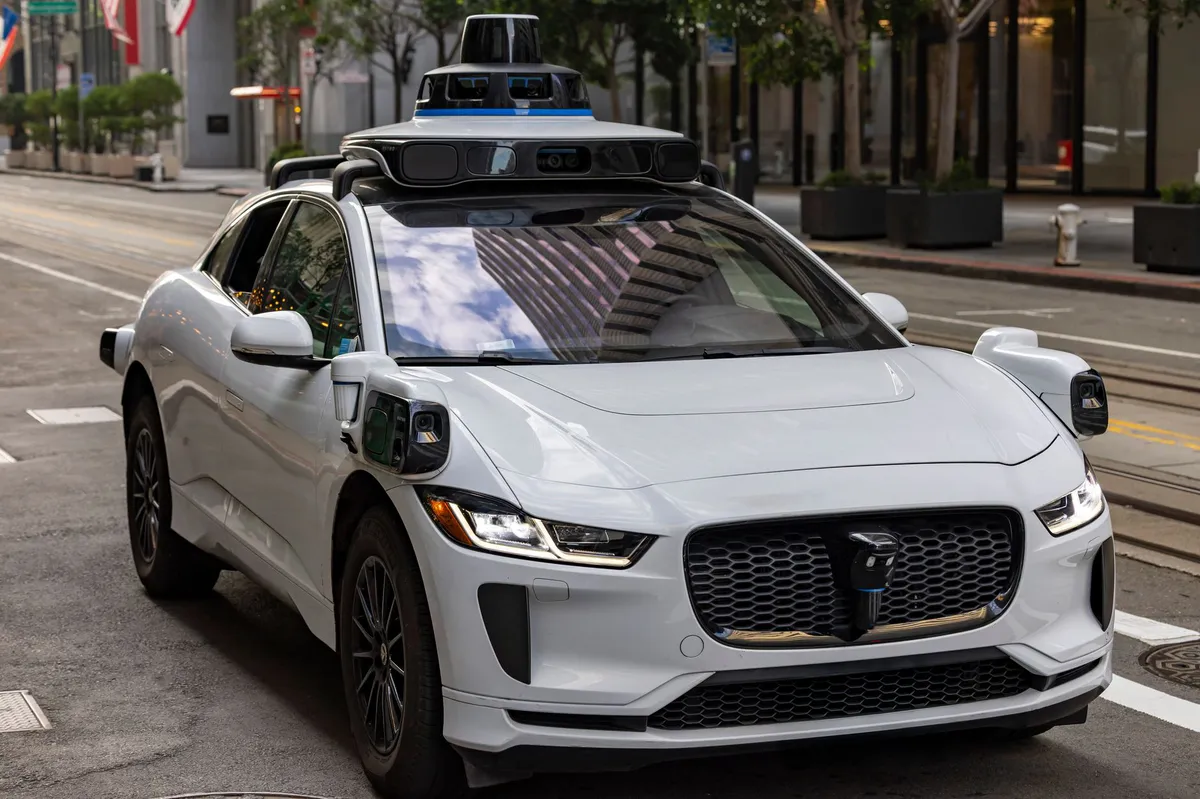
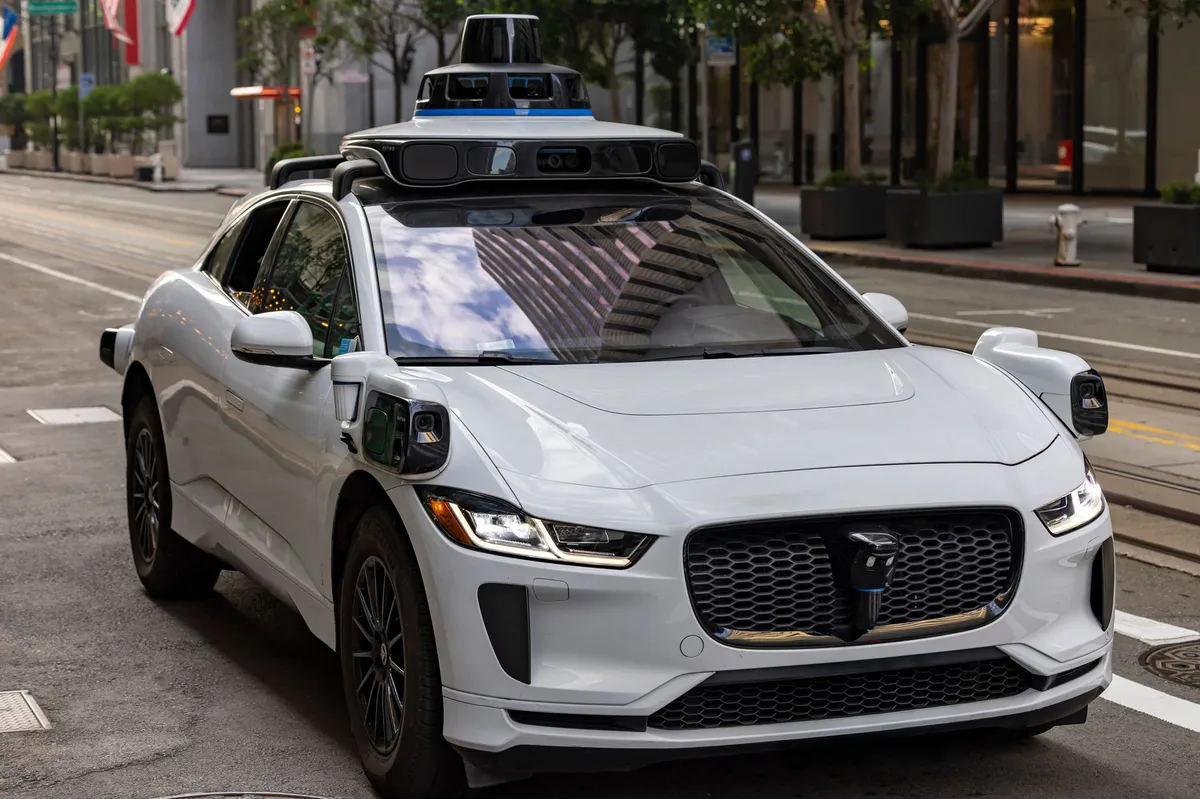
For example, local media reports from Texas described a situation in late May where a Waymo self-driving vehicle obstructed a fire truck's route to an apartment building ablaze. Such incidents not only hinder emergency response efforts but could lead to tragic outcomes if first responders cannot reach those in need promptly.
The Regulatory Response
In light of these developments, the NHTSA has announced plans to convene meetings with AV manufacturers by the end of the month. The agency's goal is to collaborate with developers to identify solutions that ensure autonomous vehicles can safely navigate around emergency situations. Morrison stressed that any AV failing to interact appropriately with first responders is a significant risk to public safety.
The NHTSA’s proactive approach reflects the increasing urgency of addressing safety regulations surrounding self-driving technologies. With the rapid advancement in this field, regulatory agencies must stay ahead of potential hazards to both responders and the public.
Noteworthy Incidents and Investigations
While the NHTSA has not disclosed specific incidents involving various companies, several reports have surfaced, particularly concerning Waymo. Investigations by both the NHTSA and the National Transportation Safety Board (NTSB) have been initiated regarding incidents involving Waymo vehicles. One incident involved a self-driving car passing a stopped school bus with its lights activated, a violation of Texas state law. Another serious incident occurred on January 23 when a Waymo vehicle struck a nine-year-old girl in a school zone in Santa Monica, California, highlighting the potential dangers associated with autonomous systems.
These instances raise crucial questions about the operational protocols of AVs, especially in scenarios that require immediate responsiveness and decision-making. It begs the question—how can these vehicles be programmed to prioritize human safety, particularly in emergency situations?
The Broader Implications on Public Safety
The implications of self-driving cars failing to interact safely with emergency vehicles extend beyond the realm of traffic incidents. In emergency situations where time is of the essence, every delay caused by an AV could potentially result in loss of life or significant property damage. For example, if a self-driving car obstructs an ambulance responding to a cardiac arrest, the consequences could be dire.
Furthermore, as AV technology becomes more prevalent, public trust in autonomous systems relies heavily on their safety and reliability. If these vehicles continue to exhibit dangerous behavior, it could lead to a backlash against the technology, stalling its adoption and innovation.
Key Safety Considerations for AV Manufacturers:- Implementing robust algorithms that can recognize and respond to emergency signals.
- Ensuring vehicles are equipped with advanced sensors capable of detecting emergencies in various environments.
- Regularly updating software to improve decision-making capabilities in real-time scenarios.
- Conducting extensive field tests in urban settings to simulate emergency interactions.
Moving Forward: What Should Companies Do?
For companies developing autonomous vehicles, addressing these safety concerns is not only a regulatory requirement but also a moral imperative. Here are some actionable steps that manufacturers can take:
- Enhance Sensor Technology: Invest in advanced sensor systems that can distinguish between normal traffic conditions and emergency scenarios.
- Improve AI Training: Utilize machine learning to train AI systems on recognizing and appropriately responding to emergency vehicles and situations.
- Engage with First Responders: Work directly with emergency service agencies to understand their needs and integrate that feedback into vehicle programming.
- Transparency with the Public: Maintain open communication regarding the capabilities and limitations of AV technology to manage public expectations and build trust.
Key Takeaways
- Self-driving vehicles have been involved in multiple incidents obstructing emergency responders.
- The NHTSA is urging manufacturers to improve the technology to ensure public safety.
- Regulatory meetings are scheduled to develop solutions to these critical issues.
- Public trust in AVs hinges on their performance in emergency situations.
Frequently Asked Questions
What is the NHTSA's role in regulating autonomous vehicles?
The National Highway Traffic Safety Administration (NHTSA) is the primary federal agency responsible for ensuring the safety of motor vehicles in the United States. Its role includes setting standards for vehicle performance, monitoring compliance, and addressing safety concerns related to emerging technologies, such as autonomous vehicles. The NHTSA also conducts investigations and can impose penalties for violations.
What should I do if I encounter a self-driving car blocking an emergency vehicle?
If you encounter a self-driving vehicle obstructing an emergency vehicle, it is crucial to report the incident to local law enforcement. Provide as much detail as possible, including the location, time, and any identifying features of the autonomous vehicle. This information can help authorities investigate the incident and potentially address the issue with the responsible company.
How can self-driving technology improve its response to emergencies?
To enhance its response to emergencies, self-driving technology can integrate advanced sensors and artificial intelligence algorithms that prioritize safety. By training AI systems to recognize emergency signals—such as flashing lights and sirens—AVs can be programmed to yield the right of way or take evasive action to ensure that first responders can reach their destinations without obstruction.
Comments
Popular in Car Insurance
- Consumer Sues GEICO and LexisNexis Over Identity Theft Claims Data Error
- Florida Court Reverses PIP Ruling, Favoring State Farm in Key Dispute
- NHTSA Investigates Nearly 1 Million GM Vehicles for Engine Failures
- OpenRoad Insurance Expands Classic Car Coverage to 40 States
- Court Rules on Insurance Coverage Dispute: A Key Legal Precedent