OpenRoad Insurance Expands Classic Car Coverage to 40 States
OpenRoad Insurance, a specialist in classic and collector vehicle coverage, has expanded its reach to 40 states. This growth reflects a strategic effort to cater to car enthusiasts with tailored insurance solutions.

In a significant move for classic car enthusiasts, OpenRoad Insurance has announced its expansion into 40 U.S. states, a notable increase from 35 just a few months prior. Launched only two years ago, OpenRoad has quickly established itself as a go-to provider for specialized insurance tailored to classic and collector vehicles. The latest states to join its portfolio include New York, New Hampshire, Vermont, North Carolina, and Delaware, showcasing the company's commitment to making specialized coverage accessible to a broader audience.
Richard Hutchinson, the CEO of OpenRoad Insurance, expressed pride in the company's rapid growth, stating, “Reaching 80% of states in two years is a testament to the hard work of our product team. We built OpenRoad Insurance for the everyday car enthusiast who wants great coverage at a fair price, and an easier insurance experience.” This expansion not only highlights OpenRoad’s ambition but also reflects the growing market for classic car insurance as more enthusiasts seek tailored coverage for their prized vehicles.
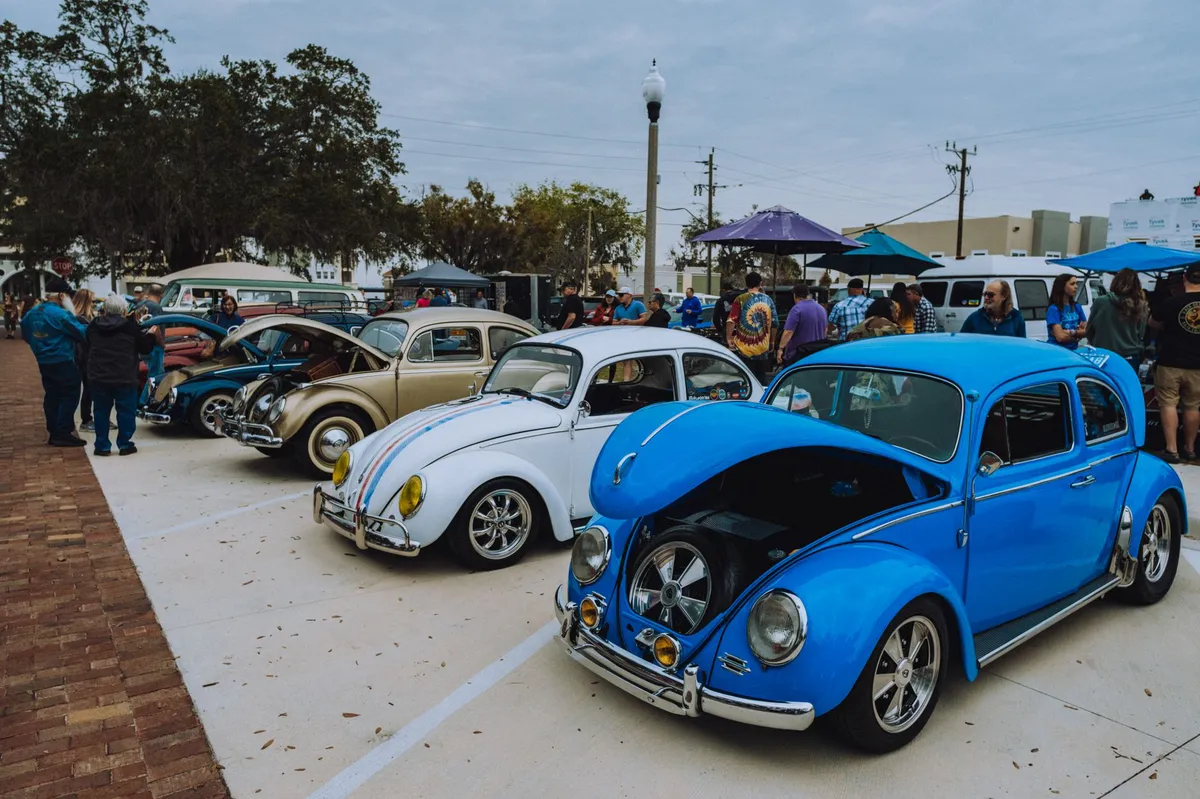
Understanding the Appeal of Classic Car Insurance
The allure of classic cars transcends mere transportation; they represent history, craftsmanship, and a passion for automotive excellence. As the classic car market continues to evolve, so too do the insurance needs of collectors and enthusiasts. Unlike standard auto insurance, which typically depreciates a vehicle's value over time, classic car insurance recognizes the unique value and investment that these vehicles represent.
What Makes Classic Car Insurance Different?
Classic car insurance policies are designed with the collector in mind, offering features that are not typically found in standard auto insurance:
- Agreed-Value Coverage: This feature allows policyholders to agree on a vehicle's value at the policy's inception, ensuring that in the event of a total loss, the owner receives the full, predetermined amount rather than a depreciated market value.
- Flexibility in Valuation: Policyholders can revise their agreed value anytime, allowing for adjustments based on vehicle appreciation or restorations.
- Specialized Protections: Coverage options often include protections for tools, spare parts, emergency evacuation expenses, and even vehicles under construction.
- Eligibility Criteria: Vehicles from 1989 or earlier are generally eligible, while newer cars are evaluated based on enthusiast traits and usage patterns.
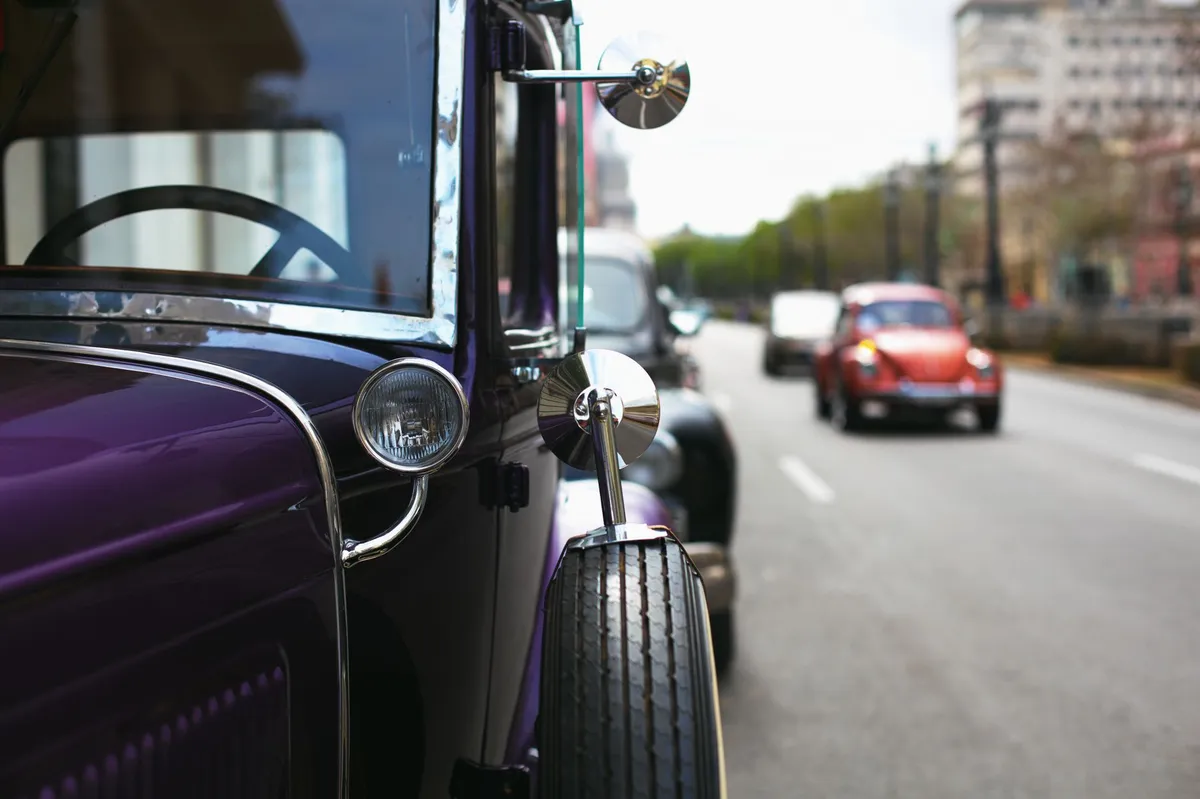
The Diverse Range of Insured Vehicles
OpenRoad Insurance categorizes its coverage into several distinct groups, making it easier for enthusiasts to find policies that suit their unique vehicles:
- Classic and Collector Cars: Vehicles recognized for their historical or aesthetic value.
- Modern Sports and Performance Cars: High-performance vehicles that attract enthusiasts.
- Muscle Cars: Iconic American muscle cars that have a dedicated following.
- Classic Trucks and 4x4s: Vintage models that appeal to collectors in the off-road segment.
- Antique Vehicles: Cars that have significant historical value and are often over 25 years old.
- Modified Vehicles: Cars that have been customized or altered, appealing to a niche market.
- Other Unique Vehicles: This includes vintage tractors, fire trucks, and other specialty vehicles.
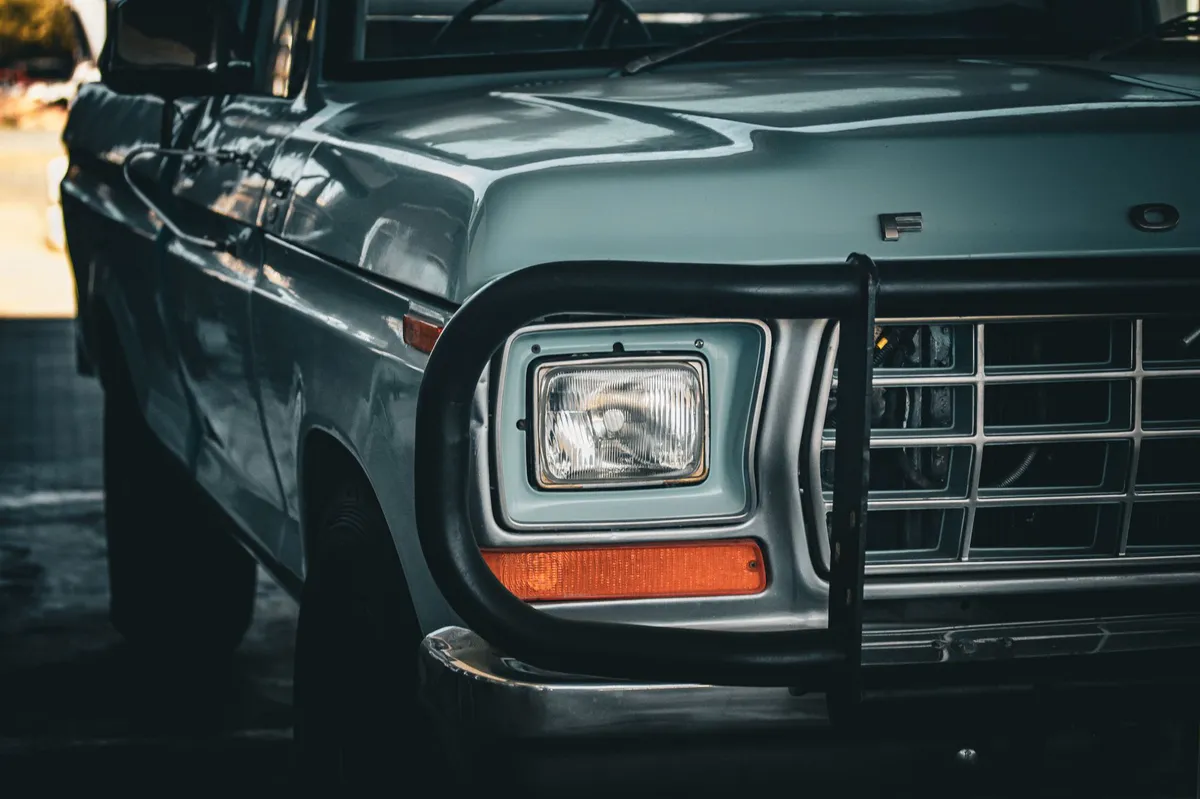
The Importance of Specialized Coverage
As the classic car market continues to grow, the demand for specialized insurance solutions becomes increasingly important. For many collectors, their vehicles represent not just a hobby but also a significant financial investment. The unique features of classic car insurance, such as agreed-value coverage and flexible valuation, provide peace of mind that standard auto insurance often cannot match.
Why Now is the Right Time for Expansion
The recent expansion by OpenRoad Insurance into 40 states is significant for several reasons:
- Market Growth: The classic car market has seen a resurgence, with more individuals investing in vintage and collector vehicles.
- Consumer Demand: With increasing numbers of car enthusiasts, the need for tailored insurance solutions is more pronounced than ever.
- Accessibility: By expanding its reach, OpenRoad Insurance is making specialized coverage more accessible to a wider audience, helping collectors protect their investments.
Looking Ahead: Future Plans for OpenRoad Insurance
OpenRoad has ambitious plans to continue its expansion, with goals to be licensed in 48 continental states. As the company broadens its geographical footprint, it aims to enhance its offerings and adapt to the diverse needs of classic car enthusiasts across the country. Texas remains OpenRoad's largest market by insured volume, highlighting the state's strong community of car collectors and enthusiasts.
As OpenRoad Insurance continues to grow, it remains committed to providing value-driven policies that prioritize the specific needs of classic and collector vehicle owners. This dedication not only underscores the company’s ethos but also positions it as a leader in the niche market of classic car insurance.
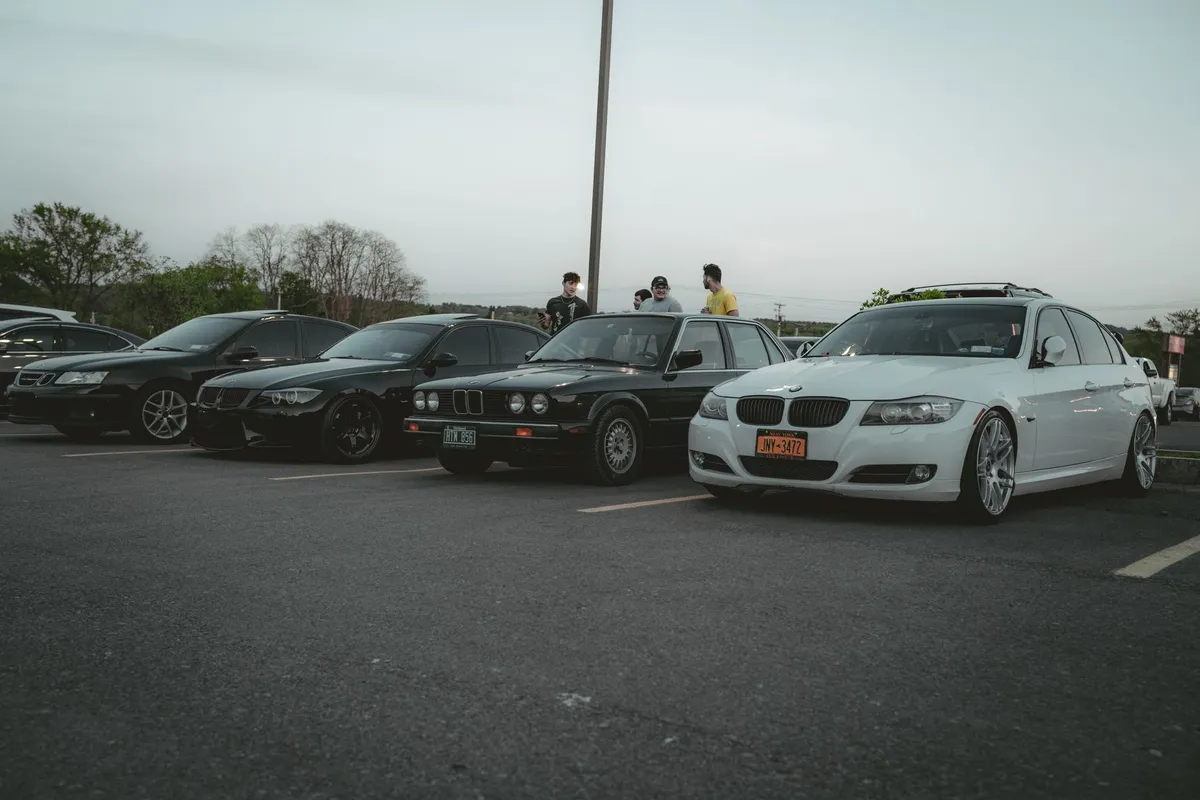
Key Takeaways
- OpenRoad Insurance has expanded to 40 states, increasing access to specialized classic car coverage.
- The company offers unique features such as agreed-value coverage and flexibility in vehicle valuation.
- OpenRoad Insurance covers a diverse range of vehicles, catering to various segments within the classic car market.
- The growing classic car market presents a significant opportunity for specialized insurers like OpenRoad.
- Future plans include expanding to 48 states, enhancing offerings for car enthusiasts nationwide.
Frequently Asked Questions
What is agreed-value coverage?
Agreed-value coverage is a feature found in classic car insurance policies that allows the policyholder and the insurance company to agree on the value of the vehicle at the time the policy is written. This is crucial for classic cars, as their value can appreciate over time due to restorations or market demand. In the event of a total loss, the policyholder will receive the agreed-upon amount rather than a depreciated value, ensuring that they are adequately compensated for their investment.
How does eligibility for classic car insurance work?
Eligibility for classic car insurance generally depends on the vehicle's age and its characteristics. Typically, vehicles manufactured in 1989 or earlier are eligible. For newer vehicles, insurers evaluate traits such as body style, performance enhancements, and the intended use of the vehicle. This tailored approach ensures that enthusiasts receive coverage that accurately reflects the unique aspects of their vehicles.
What types of vehicles does OpenRoad Insurance cover?
OpenRoad Insurance offers coverage for a wide range of vehicles, including classic and collector cars, modern sports and performance vehicles, muscle cars, classic trucks and 4x4s, antique vehicles, and even modified vehicles. Additionally, the company insures unique vehicles like vintage tractors and fire trucks, catering to a diverse audience of car enthusiasts.
Why is specialized insurance important for classic car owners?
Specialized insurance is crucial for classic car owners because standard auto insurance often does not adequately address the unique needs and values associated with these vehicles. Classic cars can appreciate in value, require specialized coverage for parts and restoration, and may be driven less frequently. Specialized policies provide peace of mind, ensuring that owners can recover their investment in the event of a loss while also accommodating the unique aspects of vehicle use and appreciation.
Comments
Court Ruling: Allstate Not Liable for Driver of Deceased Policyholder's Car
A New York appellate court has ruled that Allstate is not obligated to defend or pay for a driver who crashed a deceased policyholder's car without permission. This decision clarifies the complexities surrounding auto insurance policies following the death of the named insured.
Related articles
Popular in Car Insurance
- Consumer Sues GEICO and LexisNexis Over Identity Theft Claims Data Error
- Addressing Self-Driving Cars' Interference with Emergency Services
- Florida Court Reverses PIP Ruling, Favoring State Farm in Key Dispute
- NHTSA Investigates Nearly 1 Million GM Vehicles for Engine Failures
- Court Rules on Insurance Coverage Dispute: A Key Legal Precedent