Silicosis Epidemic Among Quartz Countertop Workers: A Call to Action
A recent report highlights a growing silicosis epidemic among quartz countertop workers in California, revealing alarming trends and the urgent need for change. This article examines the report's findings, the implications for workers, and potential solutions to prevent further cases.

In recent years, the quartz countertop industry has witnessed a troubling rise in silicosis cases among its workers, a preventable yet fatal disease caused by inhaling respirable crystalline silica dust. A new report co-authored by experts from the George Washington University Milken Institute School of Public Health and California public health agencies reveals that as of June 2026, there have been 592 confirmed cases of silicosis among quartz countertop fabrication workers. The findings are alarming: 65 of these workers have required lung transplants, and 31 have tragically lost their lives. This epidemic underscores a critical need for stronger surveillance, improved diagnosis, and immediate policy interventions to safeguard the health of workers.
The report shines a light on the urgent public health crisis that is unfolding within the quartz countertop industry. Despite the availability of safer alternatives, quartz countertops—often marketed as a modern and attractive choice for kitchens and bathrooms—remain the most popular option in the U.S. This preference comes at a steep human cost, as hundreds of workers have already fallen victim to this debilitating disease.

The Nature of Silicosis and Its Impact
Silicosis is an incurable lung disease that results from long-term exposure to silica dust, primarily found in quartz countertops, which can contain over 90% crystalline silica. Workers involved in cutting, grinding, and polishing these countertops are at the highest risk of inhaling this hazardous dust. The report indicates that many patients are being diagnosed with silicosis at relatively young ages, often after only brief periods of exposure. Such trends are concerning as they indicate that silicosis is not just a disease of long-term exposure but can affect younger workers who may not have been in the industry for long.
Progression of the Disease
What makes silicosis particularly dangerous is its rapid progression. Many affected workers are not only dealing with silicosis but also face other silica-related health issues, including autoimmune diseases and tuberculosis. The fast-tracked nature of this disease means that healthcare systems must be vigilant in recognizing symptoms early on to provide timely interventions, such as lung transplants, which many patients ultimately require.

Regulatory Challenges and Industry Practices
California has made strides in regulating silica exposure in the workplace. The report highlights that despite enhanced regulations, hazardous exposures continue to prevail in many quartz countertop fabrication shops. Workers in these environments often face excessive dust levels, which can exceed legal limits established by the Occupational Safety and Health Administration (OSHA). The report indicates that the tracking efforts in California have led to legislative action aimed at creating stronger workplace standards, yet there remains a significant gap in effective enforcement and compliance.
The Role of Employers
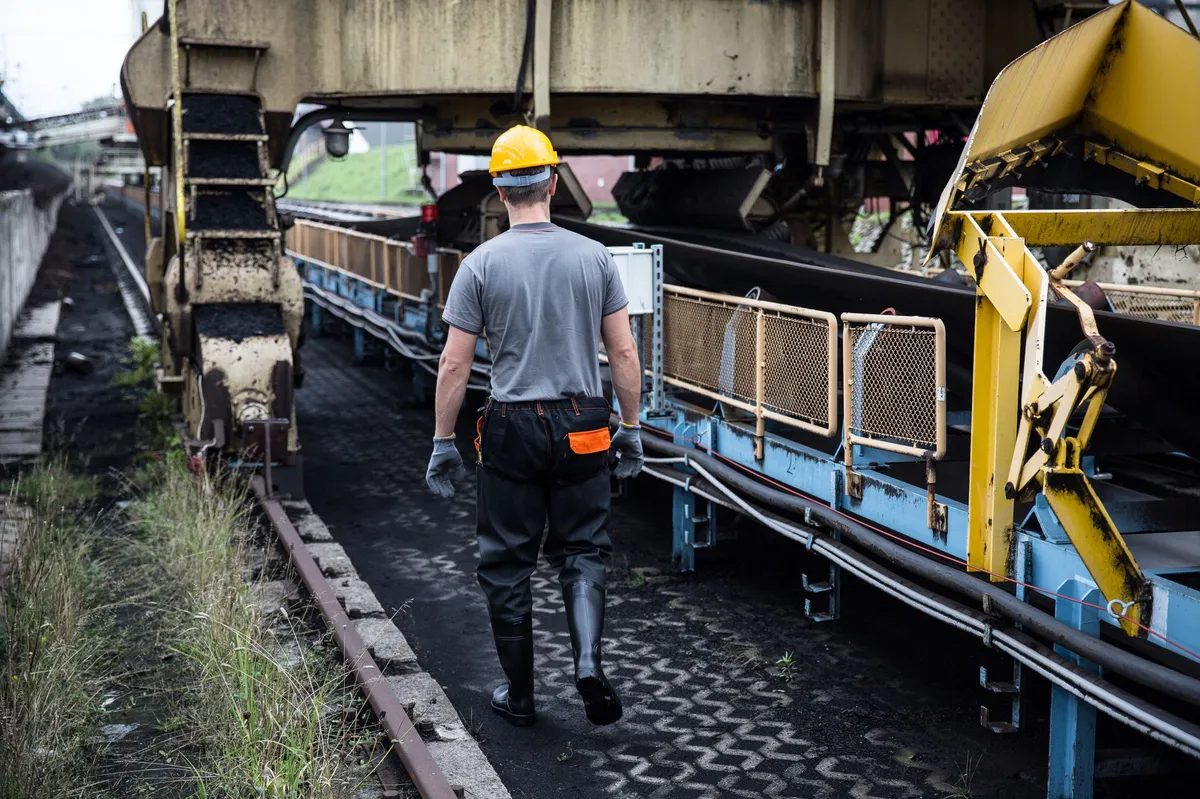
Employers in the quartz countertop industry have a responsibility to ensure safe working conditions. This includes providing protective gear, implementing effective dust control measures, and ensuring that workers are educated about the risks associated with silica exposure. In many cases, however, these measures are either inadequate or not enforced, placing workers at unnecessary risk. The report calls for increased accountability from employers to prioritize worker safety and health over profit margins.
Lessons from Australia and Global Perspectives
Australia serves as a compelling case study for combating the silicosis epidemic, having enacted a nationwide ban on engineered stone containing crystalline silica. This bold move has effectively reduced the incidence of silicosis among workers in the stone fabrication industry. The report suggests that the United States could benefit from similar measures, alongside enhanced surveillance and reporting systems to monitor the health outcomes of workers in high-risk industries.
Healthcare Provider Responsibilities
Healthcare providers play a crucial role in addressing this epidemic. The report urges practitioners to routinely inquire about occupational exposures when assessing patients, particularly those working in environments where silica dust is prevalent. Early diagnosis is essential for effective management of silicosis and related diseases. By reporting diagnosed cases to public health authorities, healthcare providers can contribute to a clearer understanding of the epidemic's scope and help drive policy changes aimed at protecting workers.
Key Takeaways
- Rising Cases: As of June 2026, 592 confirmed silicosis cases among quartz countertop workers in California highlight a growing epidemic.
- Young Victims: Workers are being diagnosed at younger ages, often after short exposure periods, with many suffering severe health consequences.
- Employer Accountability: Enhanced regulations and enforcement are necessary to ensure safe working conditions and protections for workers.
- Global Solutions: Learning from Australia's ban on silica-containing engineered stones could inform U.S. policy.
- Healthcare Role: Healthcare providers must include occupational exposure inquiries in patient assessments to facilitate early diagnosis and intervention.
Frequently Asked Questions
What is silicosis and how does it develop?
Silicosis is an incurable lung disease caused by inhaling respirable crystalline silica dust. It develops over time as silica particles accumulate in the lungs, leading to inflammation and scarring. Symptoms may take years to appear, causing many individuals to remain unaware of their condition until it progresses significantly.
How can workers protect themselves from silicosis?
Workers can protect themselves by using appropriate personal protective equipment (PPE) such as respirators, ensuring proper ventilation in work areas, and adhering to safety protocols to minimize dust exposure. Employers should provide training on the risks associated with silica exposure and implement effective dust control measures.
What should I do if I suspect I have silicosis?
If you suspect you have silicosis, it is crucial to seek medical attention promptly. A healthcare provider can perform tests to assess lung function and diagnose the condition. Early intervention is vital for managing symptoms and preventing further lung damage.
Are there safer alternatives to quartz countertops?
Yes, there are several safer alternatives to quartz countertops, including materials made from recycled content, solid surfaces, and natural stone that contain lower levels of crystalline silica. Homeowners are encouraged to consider these options to reduce health risks for workers and themselves.
Comments
GEICO Takes Legal Action Against Florida Clinics Over Alleged $5.9 Million Fraud
GEICO has filed a complaint against five Florida clinics, alleging fraudulent billing practices under Florida's PIP insurance laws. The insurer seeks to recover $5.9 million linked to unlawful claims for medical treatments that were never provided.

Related articles


Popular in Health Insurance
- Humana's Medicare Advantage Growth and Strategic Developments: Q2 2026 Insights
- FDA Calls for Enhanced Oversight in Infant Formula Supply Chain
- Abbott Laboratories Faces Cybersecurity Challenges: What It Means for Healthcare
- Surge in Cyclosporiasis Cases in Michigan: A Deep Dive into the Outbreak
- Liberty Mutual Targets New York Clinics in $1.5M No-Fault Billing Scheme Lawsuit