Surge in Cyclosporiasis Cases in Michigan: A Deep Dive into the Outbreak
Michigan faces a significant health crisis as cyclosporiasis cases exceed 6,000. This article explores the outbreak, its causes, and the implications for public health and consumers.

As the summer of 2026 unfolds, Michigan is grappling with a troubling health crisis: the number of confirmed cyclosporiasis cases has skyrocketed to over 6,000. This alarming figure, reported by state health officials, reflects a staggering increase of 1,146 cases in just a few days. With 102 hospitalizations but no reported deaths, this outbreak has raised significant concerns about food safety and public health. The trend is alarming not just locally but across the United States, where cyclosporiasis cases have been steadily rising.
Cyclosporiasis is an intestinal infection caused by the cyclospora parasite, typically contracted through contaminated food or water. The primary culprits are often raw fruits and vegetables, especially when they come from sources with poor sanitation practices. As the Centers for Disease Control and Prevention (CDC) continues to investigate the ongoing outbreak, it's imperative for consumers to understand the risks and the measures they can take to protect themselves.
The Current Outbreak: Key Figures and Trends
The latest figures from the Michigan Department of Health and Human Services indicate that cyclosporiasis cases have reached 6,148 as of mid-July, alongside a concerning hospitalization rate. The CDC reported that across the U.S., there are over 1,645 confirmed domestic cases of cyclosporiasis, with 141 patients requiring hospitalization. Given the vast network of food distribution in America, the implications of this outbreak extend well beyond Michigan's borders.
The CDC's ongoing investigation has identified shredded iceberg lettuce served at Taco Bell as a potential source of the outbreak. The agency traced the lettuce back to a single supplier in Mexico, highlighting the complexities of food safety in a global supply chain.

Understanding Cyclosporiasis
Cyclosporiasis is an intestinal infection caused by the Cyclospora cayetanensis parasite. It can lead to a range of gastrointestinal symptoms, including:
- Diarrhea
- Nausea
- Abdominal cramps
- Fatigue
- Weight loss
Symptoms typically develop one week after exposure and can last for several weeks if untreated. While most healthy individuals recover without medical intervention, those with weakened immune systems may face severe complications. This outbreak underscores the importance of food safety measures, from farm to table.
The Role of Food Safety Regulations
Food safety is a critical component of public health and involves various federal and state regulations designed to protect consumers. The FDA and CDC continuously monitor foodborne illnesses and work with local health departments to identify outbreaks.
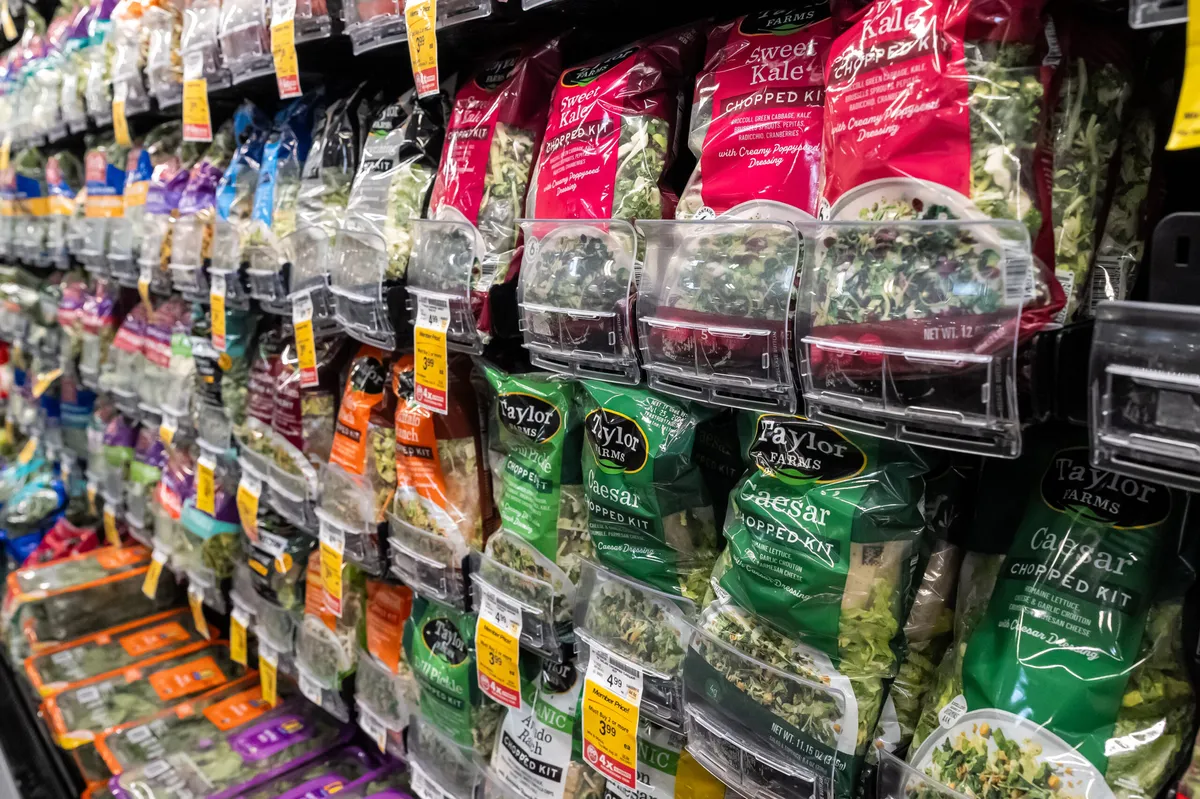
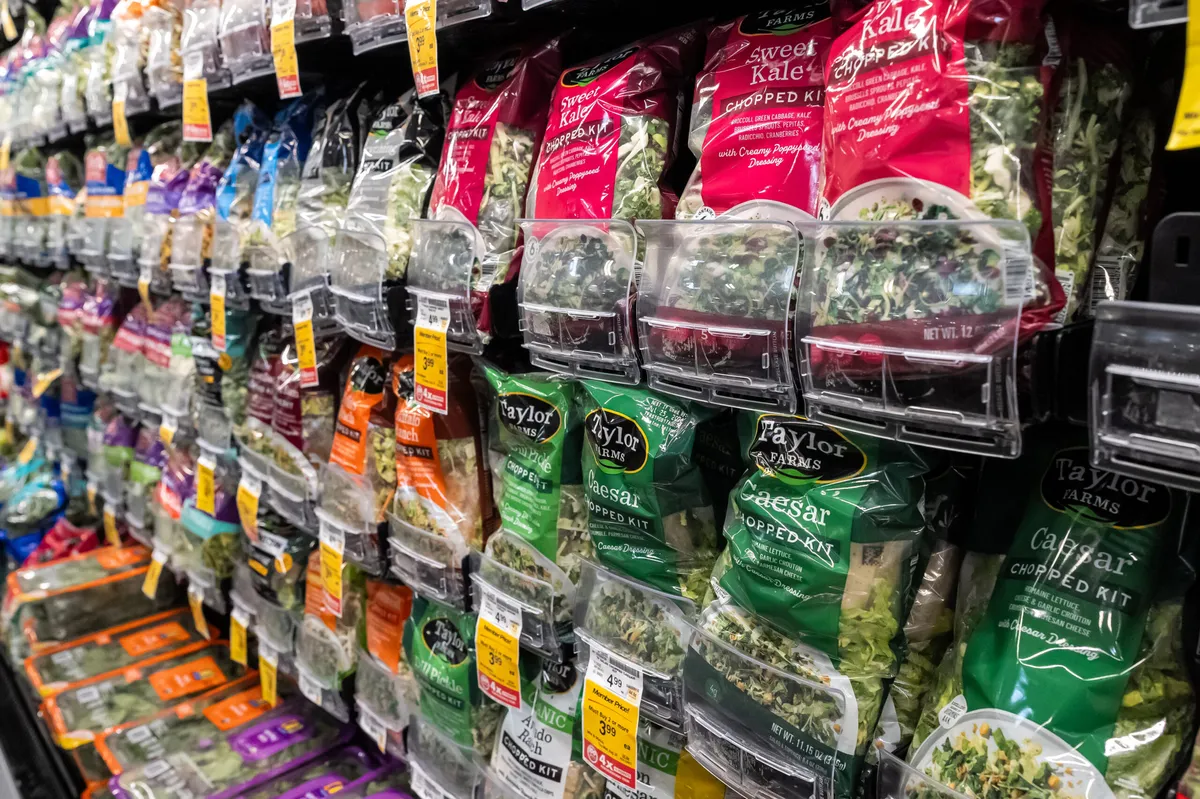
In this case, the FDA's traceback investigation is crucial. It found that the contaminated lettuce had been supplied by Taylor Farms, a major distributor. However, a subsequent review revealed that initial positive test results for the cyclospora parasite were later deemed false positives, complicating the investigation further. This situation illustrates the challenges agencies face in ensuring food safety and the rapid response required to protect public health.

Consumer Impact and Behavior
The outbreak has already begun to impact consumer behavior. Data from Placer.ai shows an 18.9% drop in foot traffic at Taco Bell restaurants following the outbreak news, highlighting the quick response consumers have to food safety concerns. Other chains, such as Chipotle and Cava, also experienced reduced traffic, emphasizing the potential financial implications for restaurants involved.
For consumers, this situation raises critical questions about how to safely enjoy food from restaurants and grocery stores. Understanding the source of your food and food safety practices can help mitigate risks.
What Can Consumers Do?
In light of the ongoing cyclosporiasis outbreak, consumers should take proactive steps to protect themselves:
- Stay informed about food recalls and outbreaks through the CDC and FDA websites.
- Ensure that fruits and vegetables are washed thoroughly before consumption.
- Be cautious when dining out, particularly at establishments linked to recent outbreaks.
- Keep track of any gastrointestinal symptoms and seek medical attention if they persist.
Ultimately, consumer education is key to preventing future outbreaks. By understanding the risks associated with foodborne illnesses, individuals can make informed decisions about their health and safety.

Key Takeaways
- The cyclosporiasis outbreak in Michigan has exceeded 6,000 cases, with a significant hospitalization rate.
- The outbreak is linked to shredded iceberg lettuce from a supplier in Mexico.
- Consumers are experiencing changes in behavior, with decreased restaurant foot traffic in affected chains.
- Staying informed and practicing food safety can help mitigate risks associated with foodborne illnesses.
Frequently Asked Questions
What is cyclosporiasis and how can it be contracted?
Cyclosporiasis is an intestinal infection caused by the Cyclospora cayetanensis parasite, primarily contracted through the consumption of contaminated food or water. Raw fruits and vegetables are often the main sources, particularly when they come from regions with inadequate sanitation. Symptoms can include diarrhea, nausea, and abdominal cramps, typically appearing about a week after exposure.
How can I protect myself from cyclosporiasis?
To reduce your risk of cyclosporiasis, ensure that you wash all fruits and vegetables thoroughly before consumption. Stay informed about food recalls and any outbreaks reported by health authorities. When dining out, choose restaurants that prioritize food safety and have a good track record. If you experience gastrointestinal symptoms, seek medical advice promptly.
Why is the investigation into this outbreak important?
The investigation is crucial not only for addressing the current outbreak but also for preventing future incidents. By identifying the source of the contamination and understanding how it occurred, health officials can implement better regulations and practices to enhance food safety across the supply chain. This is vital for protecting public health and maintaining consumer confidence.
What should I do if I suspect I have cyclosporiasis?
If you suspect you have cyclosporiasis, it is important to consult a healthcare provider for a proper diagnosis and treatment plan. Symptoms can mimic other gastrointestinal infections, so professional medical evaluation is essential. Early treatment can help manage symptoms and prevent complications, especially for those with weakened immune systems.
Comments
FDA Retracts Positive Test Amid Ongoing Lettuce Recall Crisis
The FDA recently retracted a positive test linking Taylor Farms' lettuce to a cyclospora outbreak, yet the investigation continues as illnesses spread across the U.S. This evolving situation underscores challenges in tracing foodborne illnesses.
Related articles

Popular in Health Insurance
- Humana's Medicare Advantage Growth and Strategic Developments: Q2 2026 Insights
- FDA Calls for Enhanced Oversight in Infant Formula Supply Chain
- Abbott Laboratories Faces Cybersecurity Challenges: What It Means for Healthcare
- Liberty Mutual Targets New York Clinics in $1.5M No-Fault Billing Scheme Lawsuit
- Appeals Court Revives Lawsuits Linking Tylenol to Autism: What You Need to Know