Abbott Settles Infant Formula Lawsuits for $670 Million: Implications and Insights
Abbott Laboratories has reached a significant $670 million settlement over lawsuits related to its infant formula products, specifically targeting claims of harm from its specialty formulas for preterm infants. This settlement sheds light on broader issues regarding product liability and infant health.

In a landmark decision that underscores the complexities of product liability in the infant formula industry, Abbott Laboratories has agreed to a substantial $670 million settlement to resolve legal claims from approximately 2,000 families. These claims center around Abbott's specialty formulas designed for preterm infants, particularly concerning allegations that these products contributed to serious health conditions, including necrotizing enterocolitis (NEC). This agreement not only marks a significant financial commitment from Abbott but also highlights the ongoing scrutiny faced by manufacturers of infant nutrition products.
The settlement comes on the heels of a jury verdict in 2024, which determined that Abbott's formula was responsible for a severe case of NEC in a young girl from Illinois. Following this ruling, Abbott had been appealing the decision, which had already led to a court mandate for the company to pay $495 million. However, with the recent settlement, Abbott aims to resolve the mounting legal pressures and the potential for further litigation that could arise from similar cases.
Understanding Necrotizing Enterocolitis (NEC)
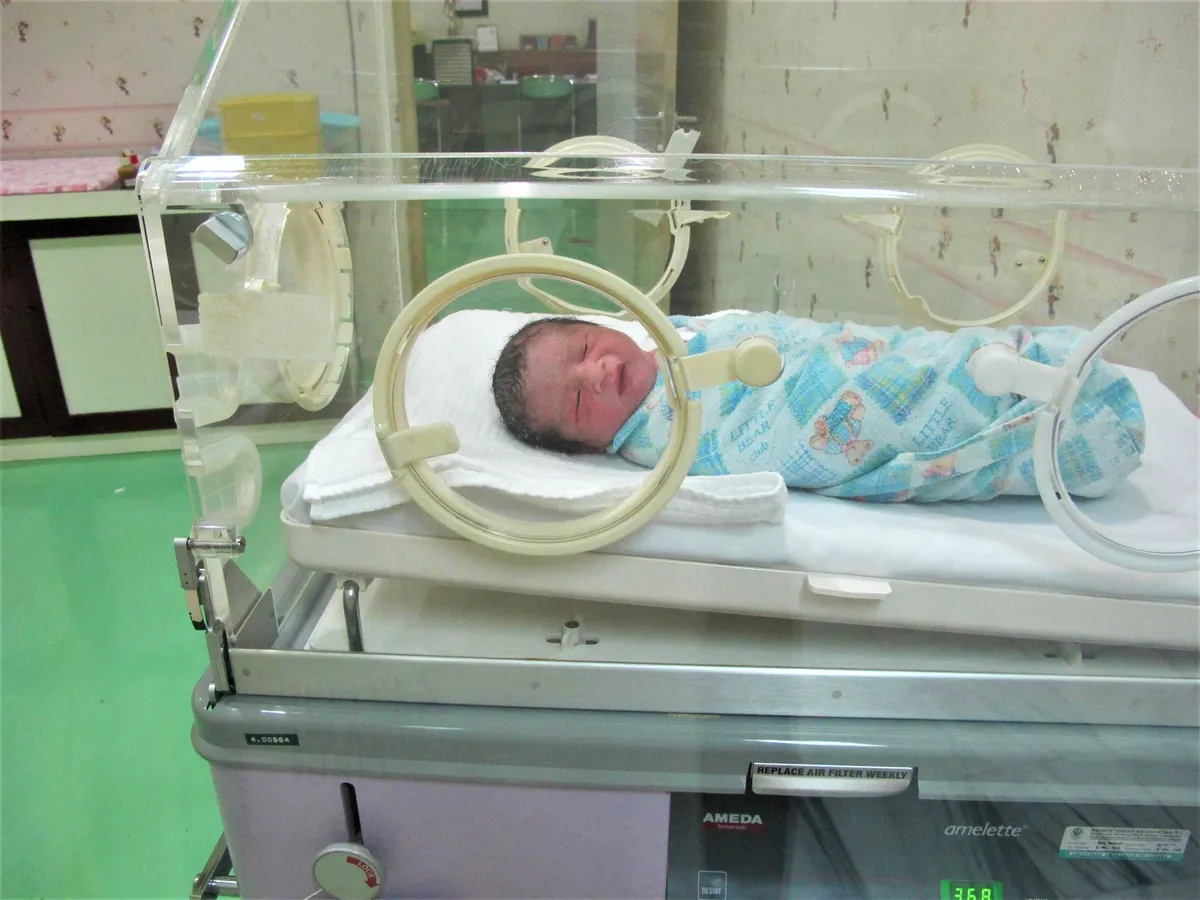
Necrotizing enterocolitis is a severe gastrointestinal disease predominantly affecting premature infants, with an alarming mortality rate of over 20%. The condition involves the death of intestinal tissue, leading to serious complications and often requiring surgical intervention. The medical community has long recognized that breast milk can help protect against NEC, a fact that has been highlighted by the ongoing litigation against formula manufacturers like Abbott and Mead Johnson.
The Role of Infant Formula in NEC Cases
While Abbott and Mead Johnson, which produces Enfamil formulas, deny that their products cause NEC, they acknowledge that breast milk remains a critical protective factor against the disease. This situation raises vital questions for parents and healthcare providers about the risks associated with formula feeding, especially for vulnerable premature infants.
- Mortality Rate: NEC has a mortality rate exceeding 20% in affected infants.
- Litigation Status: Approximately 1,000 lawsuits against Abbott are pending, with many centralized in Illinois federal court.
- Company Denials: Abbott claims that their formulas do not cause NEC, emphasizing the benefits of breast milk.
The Legal Landscape: Abbott's Settlement Context
The legal challenges faced by Abbott are part of a broader wave of product liability cases that have emerged in recent years, particularly concerning infant nutrition. Lawsuits against Abbott and other formula manufacturers have surged, reflecting heightened awareness and scrutiny of the potential risks associated with formula feeding. The settlement not only addresses the immediate financial concerns but also sets a precedent for how similar cases may be handled in the future.
Impact on Consumers
For consumers, this settlement may bring some measure of relief, particularly for the families directly affected by the lawsuits. However, it also raises important considerations for parents when choosing infant nutrition products. The growing body of evidence linking formula feeding to health complications like NEC may prompt parents to reevaluate their feeding choices and consult healthcare providers for guidance.
Industry Implications and Future Considerations
The ramifications of this settlement extend beyond Abbott and its immediate stakeholders. As the infant formula market continues to evolve, manufacturers may face increased regulatory pressures and public scrutiny. This situation could lead to enhanced product labeling, clearer communication regarding potential risks, and a renewed focus on promoting breastfeeding as the optimal choice for infant nutrition.
Regulatory Oversight
The case against Abbott has also caught the attention of regulators and lawmakers, who may consider implementing stricter guidelines for infant formula manufacturers. As consumer safety remains a top priority, there is potential for changes in how formulas are marketed and tested, ensuring that parents have access to safe and reliable products.

Key Takeaways
- Abbott has settled for $670 million over infant formula lawsuits related to NEC.
- NEC poses a serious risk to premature infants, with a high mortality rate.
- The settlement may influence future product liability cases in the infant nutrition sector.
- Consumers are encouraged to remain informed about the risks associated with formula feeding.
- Increased regulatory oversight may reshape the infant formula industry.

Frequently Asked Questions
What is necrotizing enterocolitis (NEC)?
Necrotizing enterocolitis (NEC) is a serious intestinal disease primarily affecting premature infants. It involves inflammation and the death of bowel tissue, which can lead to severe health complications, including bowel perforation and even death. The condition has a high mortality rate, with studies indicating that it may exceed 20% among affected infants. Breastfeeding is known to provide protective benefits against NEC, leading to a growing emphasis on breastfeeding in neonatal care.
How did Abbott’s settlement come about?
Abbott's $670 million settlement emerged from a series of lawsuits filed by families alleging that the company's specialty infant formulas caused NEC in their children. The pivotal moment came in 2024 when a jury found Abbott liable for causing harm to a young girl, leading to a significant financial judgment against the company. After appealing the verdict, Abbott opted to settle to mitigate further legal risks and financial exposure from ongoing and similar lawsuits.
What does this mean for parents using infant formula?
This settlement signals to parents the importance of being informed about the potential risks associated with infant formula, especially for premature infants. While formula can be a necessary alternative to breastfeeding, parents should engage with healthcare professionals to understand safe feeding practices and ensure they are making informed choices for their infants' nutrition.
Will this settlement change the infant formula industry?
Yes, this settlement could lead to significant changes in the infant formula industry, including stricter regulations and heightened scrutiny of formula manufacturers. As consumer safety concerns grow, it is likely that regulatory bodies will implement more stringent guidelines regarding product testing, labeling, and marketing. This could ultimately benefit consumers by ensuring safer products for infants.
Comments
Popular in Health Insurance
- Humana's Medicare Advantage Growth and Strategic Developments: Q2 2026 Insights
- FDA Calls for Enhanced Oversight in Infant Formula Supply Chain
- Abbott Laboratories Faces Cybersecurity Challenges: What It Means for Healthcare
- Surge in Cyclosporiasis Cases in Michigan: A Deep Dive into the Outbreak
- Liberty Mutual Targets New York Clinics in $1.5M No-Fault Billing Scheme Lawsuit