Tackling CTE: The Fight for Diagnosis in Living Athletes
Former NFL quarterback Matt Hasselbeck's participation in groundbreaking CTE research highlights the urgent need for effective diagnosis of chronic traumatic encephalopathy in living patients.
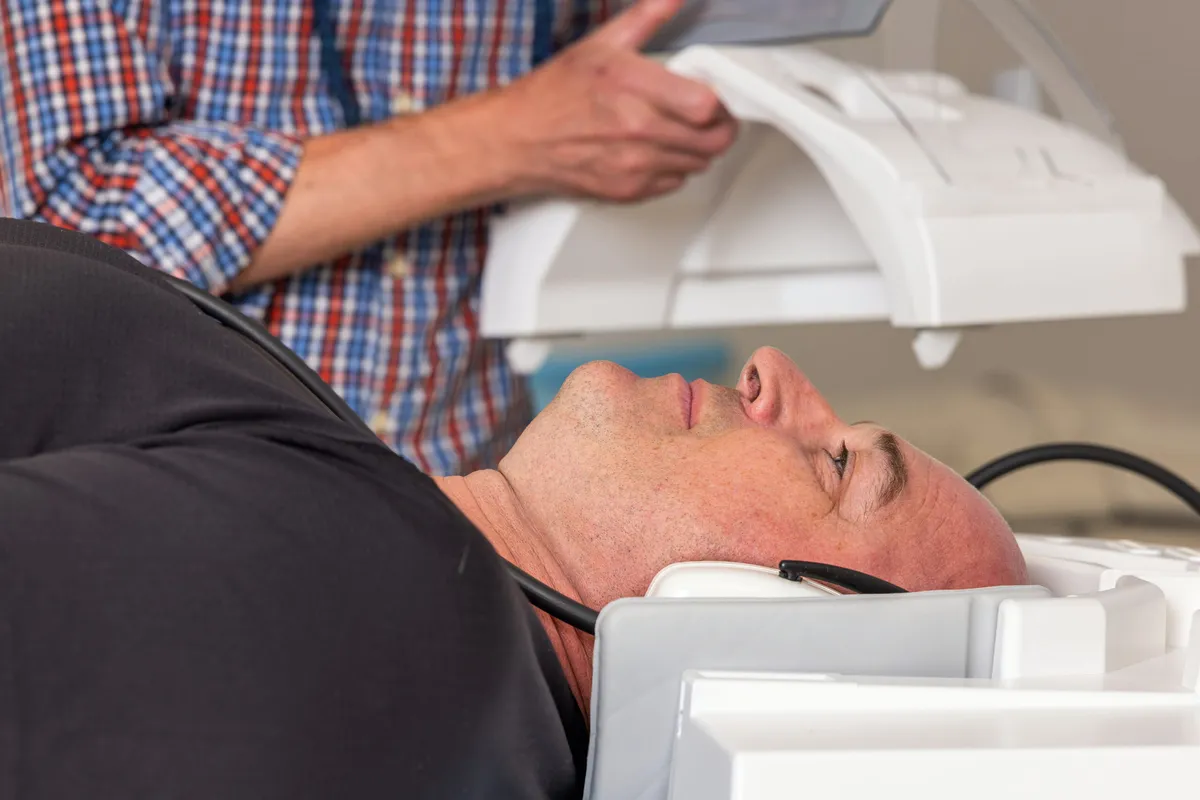
As the NFL grapples with the long-term consequences of head injuries, the plight of former players looms large. Among them is Matt Hasselbeck, a former quarterback with a career spanning 17 years, who recently took part in a pivotal study at Boston University aimed at diagnosing chronic traumatic encephalopathy (CTE) in living individuals. His journey underscores a growing awareness within the sports community about the serious implications of brain injuries, not only for athletes but also for anyone involved in contact sports.
Hasselbeck, now 50, reflects on his years of playing and the toll it may have taken on his brain. While he acknowledges his relative health compared to some of his peers—many of whom have suffered from debilitating cognitive issues—his participation in this research is a testament to the need for a better understanding of CTE. With the specter of this degenerative brain disease affecting the lives of numerous former players, the urgency to develop diagnostic methods for living individuals becomes increasingly clear.
Understanding CTE: A Growing Concern in Sports
Chronic traumatic encephalopathy is a degenerative brain disease primarily associated with repeated head trauma, often seen in athletes from contact sports like football, boxing, and hockey, as well as military personnel exposed to blasts. CTE can only be diagnosed post-mortem, making it particularly challenging to address while individuals are still alive. Symptoms of CTE can resemble those of Alzheimer’s disease, including memory loss, mood swings, and behavioral changes, complicating the diagnostic process.
The National Football League (NFL) has faced increasing scrutiny as more players are diagnosed with CTE after their deaths. With over 100 former players confirmed to have the disease, including notable figures such as Junior Seau and Ken Stabler, the league's reputation has suffered, prompting efforts to improve player safety and health protocols.
The Role of Research and the Need for Participation
The research effort that Hasselbeck is part of is led by Dr. Michael Alosco at Boston University’s CTE Center, which aims to establish a reliable method for diagnosing CTE in living patients. Alosco's team is gathering a diverse group of participants, including former professional and college athletes, as well as individuals diagnosed with Alzheimer’s who have no history of brain trauma. This dual approach is designed to identify key differences and similarities between CTE and Alzheimer’s, eventually leading to more accurate diagnostic methods.
The current study is ambitious, aiming to expand beyond its initial cohort and involve hundreds of participants across multiple states, including Arizona, Texas, and Florida. Alosco emphasizes the importance of gathering data from a larger pool of individuals to facilitate discoveries that could change how CTE is diagnosed and treated.
- CTE can only be diagnosed after death, complicating early intervention.
- Symptoms of CTE can overlap with other degenerative brain diseases, such as Alzheimer’s.
- Research funding from the National Institutes of Health is pivotal, providing $15 million to support ongoing studies.
- Increased participation from former athletes is essential to improve diagnostic methodologies.

Hasselbeck's Experience: A Personal Journey
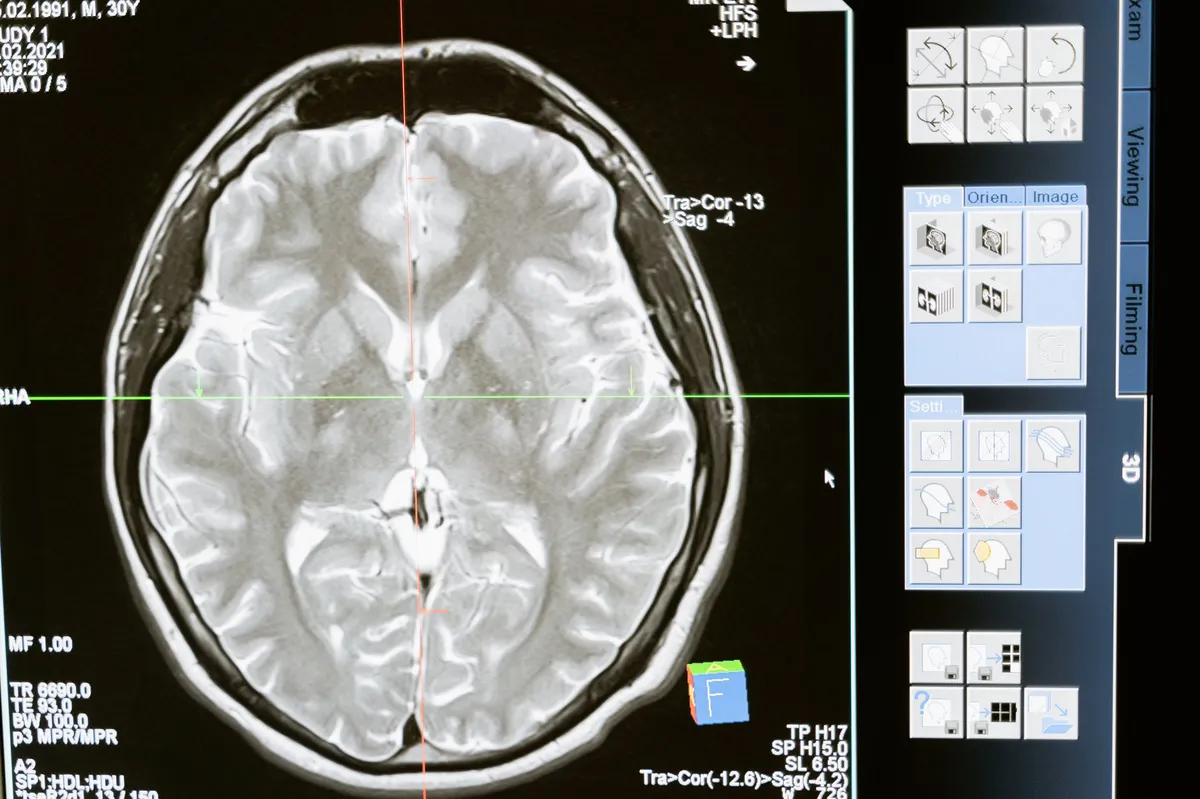
During his time at Boston University, Hasselbeck underwent a series of cognitive and neurological evaluations, including mental tests like counting backward and MRI scans. He described the experience as both enlightening and humbling, emphasizing the emotional weight of confronting potential brain issues. “I walked in there feeling completely healthy,” he noted, “and you still get a little anxious when you’re doing a brain scan.”
Beyond participating in the study, Hasselbeck has committed to donating his brain for research after his death, a selfless act aimed at contributing to the understanding of CTE. He believes that his experience, combined with the insights of others, can help illuminate the effects of head trauma and lead to advancements in treatment.
Changing the Culture Around Head Injuries
The culture surrounding head injuries in professional sports has evolved significantly since Hasselbeck began his career in 1998. In his early years, admitting to a concussion was often met with skepticism; players were expected to 'tough it out.' However, by the mid-2010s, that narrative began to shift, with increased awareness of the potential long-term consequences of head injuries.
Hasselbeck acknowledges the progress made but also recognizes the work that remains. “I’ve always had a passion for making the game safer,” he states. His involvement in the CTE research is not just about personal health; it’s about advocating for future generations of athletes. By sharing his experiences and encouraging fellow players to participate in studies, he hopes to foster a culture that prioritizes safety and health.
Key Takeaways
- CTE is a serious degenerative brain disease linked to repetitive head trauma.
- Current research aims to develop methods for diagnosing CTE in living individuals, a significant advancement.
- Former players like Matt Hasselbeck are essential in driving research and awareness.
- Increased participation in studies will aid in better understanding and potentially treating CTE.
Frequently Asked Questions
What is chronic traumatic encephalopathy (CTE)?
CTE is a degenerative brain disease that has been linked to repeated head trauma, commonly seen in athletes from contact sports and military personnel. It is characterized by symptoms such as memory loss, mood swings, and behavioral changes. Currently, CTE can only be diagnosed after death through brain autopsy, which complicates timely intervention and treatment.
Why is it difficult to diagnose CTE in living individuals?
The primary challenge in diagnosing CTE in living patients stems from the overlap of symptoms with other conditions, such as Alzheimer’s disease. Researchers have not yet identified a specific biomarker for CTE that can be tested in living patients, making early diagnosis predominantly speculative based on clinical evaluations. Ongoing studies aim to bridge this gap by gathering more data from individuals with varied backgrounds and medical histories.
How can individuals participate in CTE research?
Former athletes and individuals with a history of head trauma are encouraged to participate in ongoing CTE research studies, such as those conducted by Boston University and other institutions. Interested individuals can typically find information about participation through university research centers or by contacting organizations focused on brain health and injury awareness. Participation can involve assessments, cognitive testing, and, in some cases, brain donation for future research.
What are the implications of CTE research for future athletes?
Advancements in CTE research may lead to improved diagnostic methods and treatment options, which can significantly alter the landscape of how head injuries are managed in sports. As understanding of CTE grows, it could result in better protective measures for athletes, changes in gameplay rules, and heightened awareness of the importance of recognizing and treating head injuries promptly, ultimately enhancing player safety.
Comments
Salmonella Outbreak Linked to Jalapeño Peppers Affects 431 Across 32 States
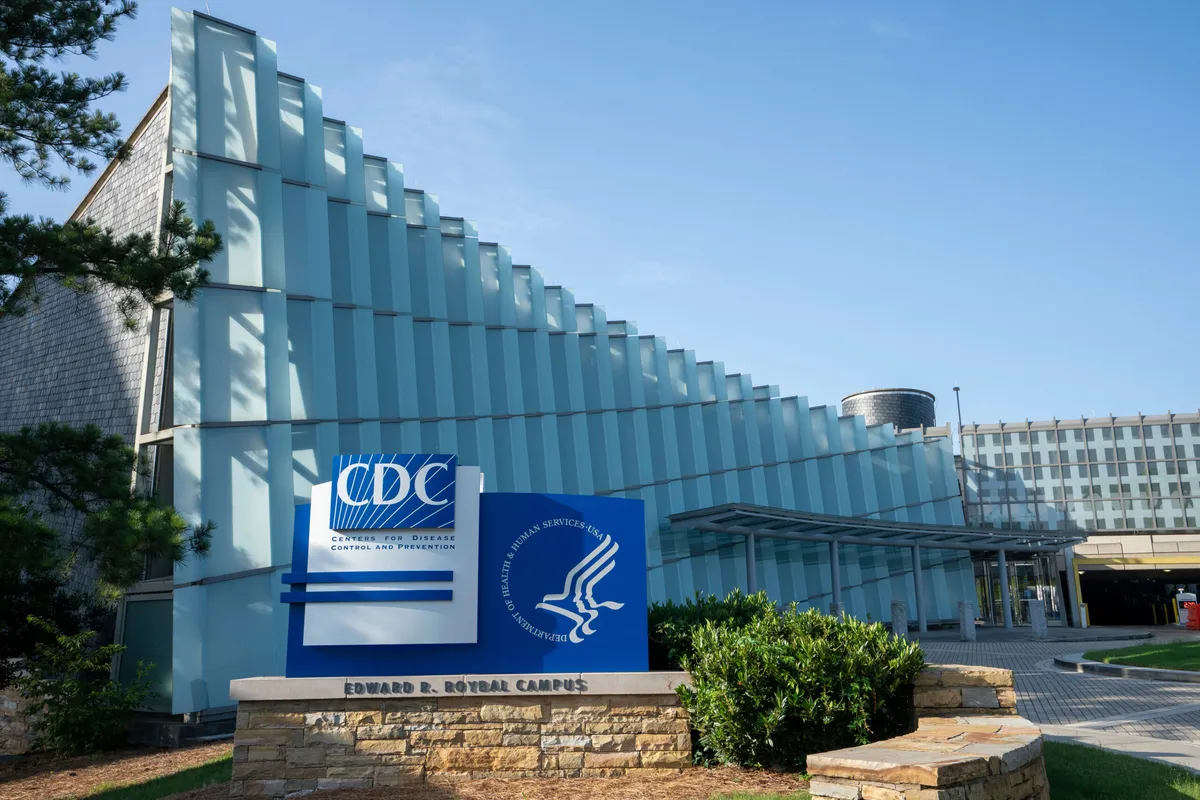
A recent salmonella outbreak tied to jalapeño peppers has resulted in 431 infections across 32 states, according to the CDC. Health officials are investigating the source and impact of this growing concern.
Related articles


Popular in Health Insurance
- Humana's Medicare Advantage Growth and Strategic Developments: Q2 2026 Insights
- FDA Calls for Enhanced Oversight in Infant Formula Supply Chain
- Abbott Laboratories Faces Cybersecurity Challenges: What It Means for Healthcare
- Surge in Cyclosporiasis Cases in Michigan: A Deep Dive into the Outbreak
- Liberty Mutual Targets New York Clinics in $1.5M No-Fault Billing Scheme Lawsuit