The Hidden Crisis: Chronic Traumatic Encephalopathy in Former NFL Players
A recent study reveals the alarming prevalence of chronic traumatic encephalopathy (CTE) among former NFL players, highlighting the serious implications of head injuries in contact sports.
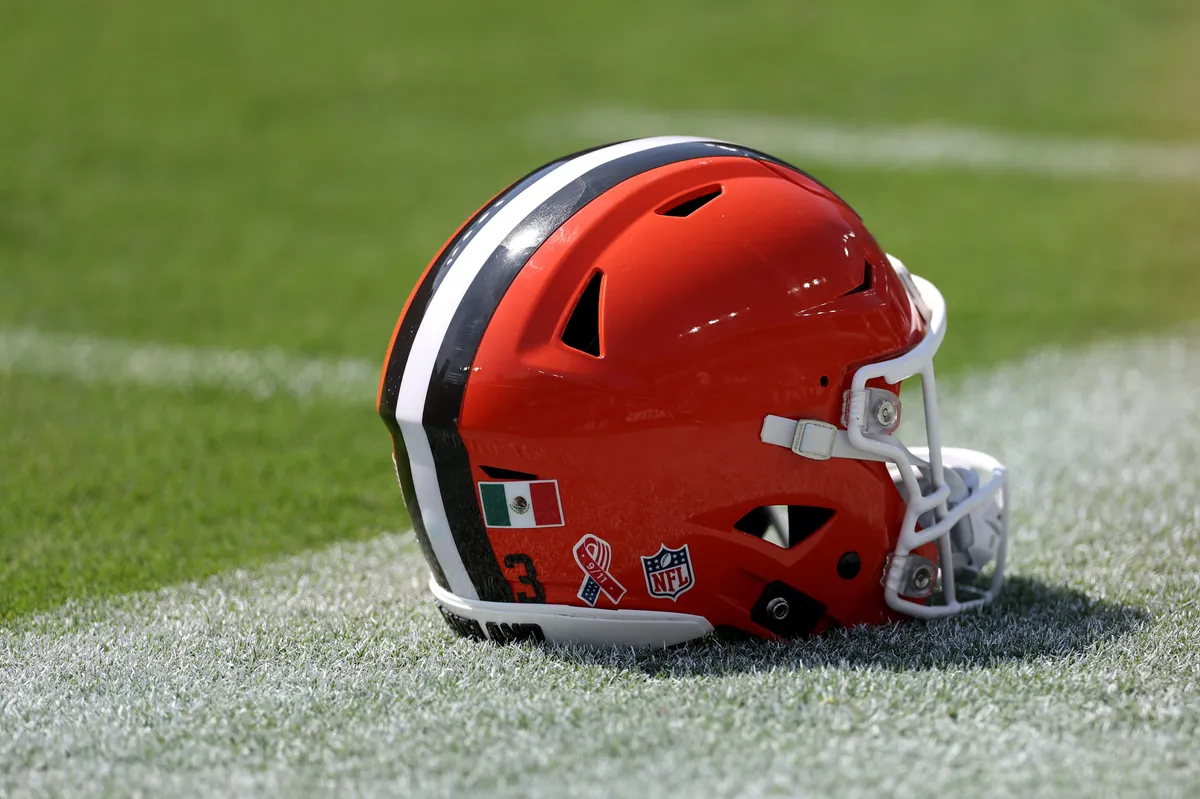
The football field, a stage for athletic prowess and fierce competition, is increasingly being recognized as a battleground for a silent and insidious enemy: chronic traumatic encephalopathy (CTE). A recent study published in the British Medical Journal presents disturbing evidence that nearly every former National Football League (NFL) player who donated their brain for research after dying between 2016 and 2021 was diagnosed with CTE. This condition, linked to repeated head trauma, underscores the urgent need for reform in how the sport addresses player safety and long-term health implications.
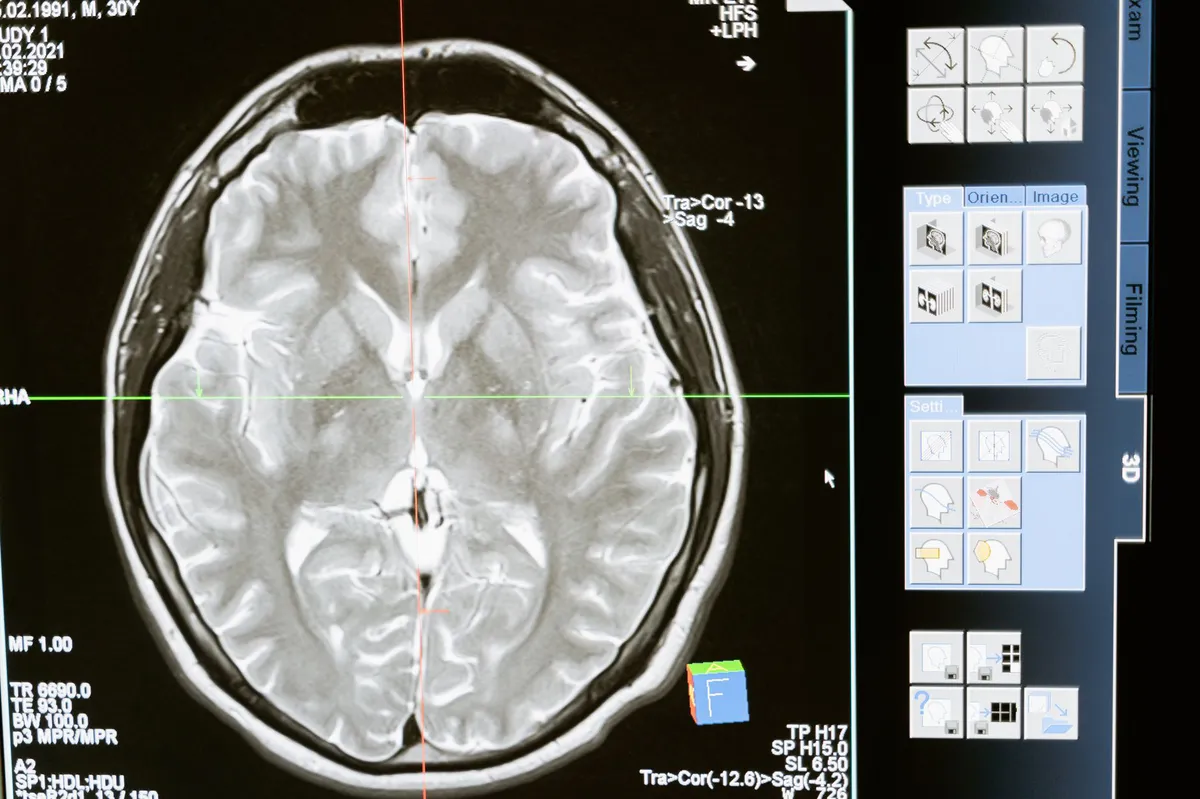
CTE is a progressive brain disease that can only be definitively diagnosed postmortem by examining brain tissue. It has been most commonly associated with athletes in contact sports, such as football and boxing, where head impacts are frequent. The study’s findings, which analyzed brain donations from 878 former players, revealed that out of 235 players whose brains were examined, 215 were found to have CTE. This shocking statistic equates to a staggering 91% prevalence among those studied, raising critical questions about the long-term health risks faced by football players.

Understanding CTE and Its Impact
CTE is characterized by an accumulation of tau protein in the brain, leading to widespread damage over time. Symptoms can range from cognitive impairments and memory loss to severe mood swings and behavioral issues. The condition is particularly concerning because it mirrors symptoms of other neurological disorders, making early diagnosis challenging. In the study, many players with advanced stages of CTE experienced significant cognitive decline, with some suffering from dementia.
The Link Between CTE and NFL Players
The research highlights a “conservative minimum” estimate that nearly 25% of all former NFL players who died during this five-year period were affected by CTE. This figure is strikingly high compared to the general population, where studies show that CTE is present in less than 1% of individuals. The implications are profound, not only for the players but also for their families who often bear the emotional and financial burdens associated with cognitive decline.
Responses from the NFL and Medical Communities
The NFL has faced increasing scrutiny over its handling of concussion protocols and player safety. Following the revelation of CTE in players like Mike Webster, a Hall of Fame center for the Pittsburgh Steelers, the league has made efforts to address these concerns, including settling a lawsuit in 2013 for $675 million with over 5,000 retired players who claimed the league failed to disclose the long-term risks associated with head trauma. The settlement included funds for medical monitoring and research, totaling $90 million.
Despite these efforts, advocates argue that more needs to be done. Brandon Parker, a spokesperson for the NFL Players Association, emphasized that the findings should act as a clarion call for action across the football ecosystem. The NFL has stated its commitment to improving player safety through various initiatives aimed at reducing concussions and head impacts, yet critics argue that these measures may not be sufficient given the evidence of widespread CTE.

The Broader Implications for Athletes
The issue of CTE extends beyond the NFL and impacts athletes across various sports. The growing body of research suggests that any sport involving repetitive head impacts carries potential risks for developing CTE. This has led to increased calls for improved safety measures in youth and amateur sports, where players may be less aware of the risks associated with head injuries.
What Is Being Done for Prevention?
As awareness of CTE grows, so does the push for preventive measures. Some organizations are advocating for changes in how sports are played, including:
- Enhanced concussion protocols: Implementing stricter guidelines for evaluating and treating head injuries during games.
- Education and training: Providing coaches, players, and parents with information about the risks associated with head injuries and the importance of reporting symptoms.
- Rule changes: Modifying game rules to minimize head impacts, such as eliminating certain types of tackles.
These initiatives are critical not only for protecting current athletes but also for ensuring the long-term health of future generations involved in contact sports.
Key Takeaways
- Nearly 91% of former NFL players studied were diagnosed with CTE.
- CTE can lead to severe cognitive impairments and is difficult to diagnose until after death.
- The NFL has faced significant scrutiny and legal action over its handling of player health and safety.
- Awareness of CTE has prompted calls for improved safety measures across all levels of contact sports.
Frequently Asked Questions
What is chronic traumatic encephalopathy (CTE)?
Chronic traumatic encephalopathy (CTE) is a degenerative brain disease caused by repeated head injuries. It is characterized by the accumulation of tau protein in the brain, leading to symptoms such as memory loss, confusion, depression, and severe cognitive decline. CTE can only be diagnosed postmortem through a brain examination, making it a particularly challenging condition to address during a patient's life.
Why is CTE more common in NFL players compared to the general population?
The prevalence of CTE among NFL players is significantly higher than in the general population due to the nature of the sport, where players are frequently subjected to high-impact collisions. Studies have indicated that nearly 25% of former NFL players have developed CTE, whereas less than 1% of the general population is affected. The repeated head trauma experienced by football players is a primary factor contributing to this disparity.
What actions has the NFL taken to address CTE?
The NFL has implemented several initiatives aimed at improving player safety and mitigating the risks associated with head injuries. These include enforcing stricter concussion protocols, increasing funding for research on head trauma, and settling lawsuits with former players over CTE-related issues. However, critics argue that these measures may not be sufficient to fully protect players from the long-term effects of repeated head impacts.
What can be done to prevent CTE in young athletes?
Preventing CTE in young athletes involves a multifaceted approach that includes educating players, coaches, and parents about the risks of head injuries, enforcing strict concussion protocols in youth sports, and advocating for rule changes that reduce head impacts. Additionally, promoting awareness of symptoms associated with concussions can encourage athletes to report injuries and seek appropriate medical care.
Comments
Ninth Circuit Ruling Threatens Liability for Benefits Verification Calls
A recent Ninth Circuit ruling alters the legal landscape for health plan administrators, exposing them to potential negligence claims from out-of-network providers over benefits verification calls. This decision could have wide-ranging implications for ERISA protections and operational practices in the health insurance industry.

Related articles
Popular in Health Insurance
- Humana's Medicare Advantage Growth and Strategic Developments: Q2 2026 Insights
- FDA Calls for Enhanced Oversight in Infant Formula Supply Chain
- Abbott Laboratories Faces Cybersecurity Challenges: What It Means for Healthcare
- Surge in Cyclosporiasis Cases in Michigan: A Deep Dive into the Outbreak
- Liberty Mutual Targets New York Clinics in $1.5M No-Fault Billing Scheme Lawsuit