Navigating Rising Pharmacy Costs: The Impact on GLP-1 Coverage
As pharmacy costs soar, employers are reassessing their coverage strategies for GLP-1 medications. This article explores the implications of rising expenses and the evolving landscape of employer healthcare benefits.

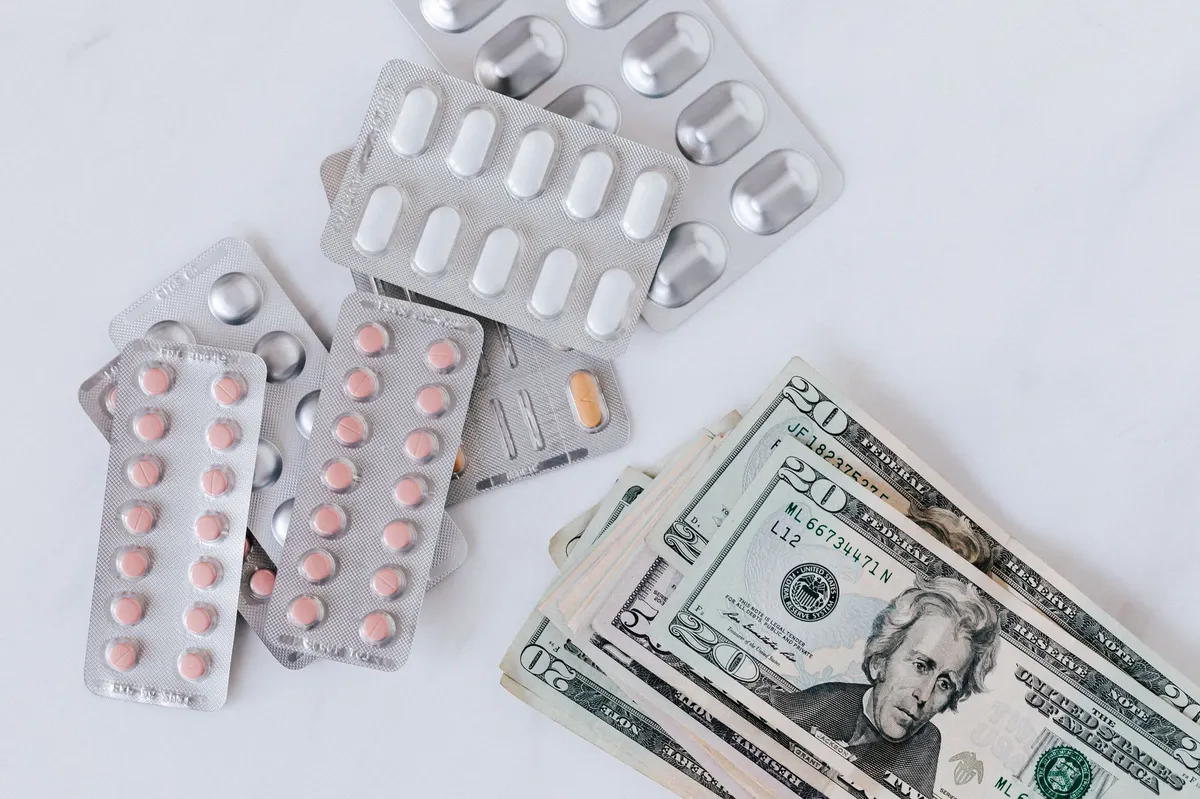
The landscape of employer-sponsored healthcare is undergoing a seismic shift, particularly in the realm of pharmacy benefits. With pharmacy expenses now constituting a staggering one-quarter of overall employer healthcare spending, companies are feeling the financial strain. A recent survey by the Business Group on Health revealed that pharmacy costs are set to increase by 12 percent this year, even after anticipated plan changes. This trend is not just a statistic; it represents a pressing concern for employers who are grappling with the need to balance employee health benefits against rising costs.
As employers continue to face escalating prescription drug prices, the glucagon-like peptide-1 (GLP-1) medications, originally celebrated for their role in weight management, are now under scrutiny. The share of employers offering coverage for GLP-1 medications has seen a significant decline, dropping from 72 percent in 2025 to just 60 percent in 2026. This article delves into the reasons behind this trend, the implications for employees, and the strategies employers are employing to manage costs without compromising care.
Understanding the Drivers of Pharmacy Cost Increases
The surge in pharmacy costs is a multifaceted issue, influenced by several key factors:
- Rapid Utilization Growth: The increasing use of GLP-1 medications for weight management has led to higher demand and consequently higher costs.
- High-Cost Specialty Drugs: Many specialty medications, which may be necessary for chronic conditions, come with exorbitant price tags.
- Broader Treatment Indications: As more conditions are approved for treatment with GLP-1s, the potential patient pool expands, driving up costs.
- Emerging Therapies: Innovative treatments, including cell and gene therapies, are entering the market at prices that can reach hundreds of thousands of dollars per patient.
According to the report, 95 percent of employers surveyed expressed significant concern regarding pharmacy costs, highlighting the urgency for action. The pressure to manage these expenses is pushing employers to make tough decisions about coverage, particularly in the case of GLP-1s.
Impact on GLP-1 Coverage and Employee Access
The decision to cut GLP-1 coverage reflects a broader trend in employer healthcare strategies. Companies such as Starbucks and Deloitte have already begun scaling back or restricting their coverage for these medications. For employers still providing coverage, the focus has shifted toward stricter utilization management practices to curb inappropriate prescribing. This means that while some employees may still have access to GLP-1s, they will face increased scrutiny and potential hurdles to obtain these medications.
Alternative Access Models
In response to these challenges, some employers are exploring alternative access models for GLP-1 medications:
- Direct-to-Consumer Channels: Sixteen percent of employers are directing employees to purchase GLP-1 medications through consumer channels rather than traditional pharmacy benefits.
- Direct-to-Employer Arrangements: Another 17 percent are considering arrangements that bypass pharmacy benefit managers (PBMs), potentially allowing for more cost-effective purchasing.
These models may provide a temporary solution for employers looking to manage costs while still offering access to valuable medications. However, the long-term sustainability of such measures remains uncertain.

The Role of Pharmacy Benefit Managers
Pharmacy benefit managers have been under increasing scrutiny as employers seek greater transparency in drug pricing. The traditional PBM model has faced criticism for opaque rebate structures and spread-pricing practices, which can obscure the true cost of medications. As a response, 32 percent of employers are planning to offer transparent or next-generation PBM plans by 2027, with an additional 47 percent considering such a switch for 2028 or 2029.
This shift toward transparency is not just about cost savings; it’s also about accountability. Legislative measures, such as those included in the Consolidated Appropriations Act of 2026, have encouraged employers to demand clearer pricing structures and accountability from their PBMs. This regulatory backdrop highlights a changing environment where employers are keenly aware of the financial implications of their pharmacy benefit strategies.

Exploring Biosimilars and Specialty Drugs
Beyond GLP-1s, employers are increasingly redirecting their pharmacy spending towards lower-cost biosimilars. Biosimilars are biological medications that closely resemble their branded counterparts but are typically offered at a significantly reduced price. The adoption of biosimilars is becoming a standard strategy in employer pharmacy design, allowing companies to manage costs while still providing effective treatment options.
For high-cost specialty drugs, employers are employing centers of excellence (COEs), specialized contracting, and risk-sharing arrangements to navigate the complexities of coverage and cost exposure. These therapies can drastically impact an employer’s annual pharmacy budget, making careful management essential. Risk-sharing mechanisms and outcome-based contracts are emerging as tools that employers are leveraging to mitigate financial risks associated with expensive treatments.
Key Takeaways
- Pharmacy costs are a significant concern for employers, projected to rise 12 percent this year.
- Coverage for GLP-1 medications has decreased from 72 percent to 60 percent, with many employers tightening utilization management.
- Employers are exploring alternative access models, including direct-to-consumer and direct-to-employer arrangements.
- Transparency in PBM contracts is becoming increasingly important, with many employers seeking next-generation plans.
- Biosimilars and risk-sharing arrangements are gaining traction as strategies for managing pharmacy costs.
Frequently Asked Questions
What are GLP-1 medications and why are they important?
GLP-1 medications are a class of drugs that mimic the effects of the glucagon-like peptide-1 hormone, which helps regulate appetite and glucose levels. These medications have gained popularity as effective treatments for obesity and type 2 diabetes. Their importance lies in their potential to improve health outcomes for individuals struggling with weight management and metabolic disorders, making them a valuable component of employer-sponsored healthcare plans.
How can employers manage rising pharmacy costs effectively?
Employers can manage rising pharmacy costs by implementing several strategies, including tightening utilization management for high-cost medications, adopting biosimilars as cost-effective alternatives, and exploring direct-to-consumer purchasing options. Additionally, seeking transparency and accountability from pharmacy benefit managers can help employers regain control over their pharmacy spending.
What should employees expect regarding changes to their medication coverage?
Employees may experience changes in their medication coverage as employers reassess their pharmacy benefits in light of rising costs. This could include increased scrutiny in the prescribing process for medications like GLP-1s, potential shifts towards alternative purchasing models, and changes in the availability of certain medications. Employees should stay informed about their employer’s healthcare benefits and be proactive in discussing any concerns with their HR department.
Comments
DOL Proposes New Electronic Delivery Rules for Health Plan Documents
The Department of Labor's proposed rule aims to modernize how group health plan documents are delivered, shifting from paper to electronic methods. This article explores the potential impacts and implications of these changes for employers, brokers, and plan participants.

Related articles


Popular in Health Insurance
- Humana's Medicare Advantage Growth and Strategic Developments: Q2 2026 Insights
- FDA Calls for Enhanced Oversight in Infant Formula Supply Chain
- Abbott Laboratories Faces Cybersecurity Challenges: What It Means for Healthcare
- Surge in Cyclosporiasis Cases in Michigan: A Deep Dive into the Outbreak
- Liberty Mutual Targets New York Clinics in $1.5M No-Fault Billing Scheme Lawsuit