Widespread Cyclosporiasis Outbreak Linked to Iceberg Lettuce Affects 20 States
Health authorities broaden the investigation into a significant foodborne illness outbreak linked to iceberg lettuce, now affecting 20 states and leading to thousands of cases and hospitalizations.

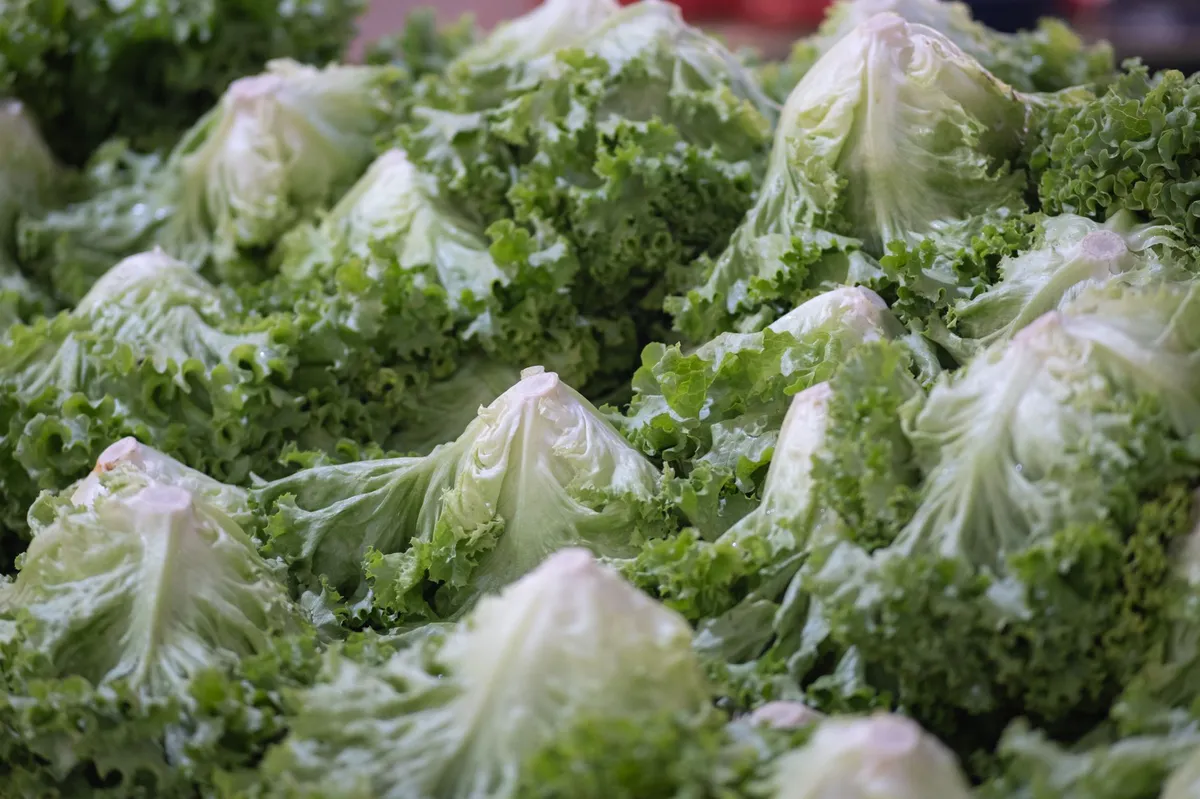
In a troubling development for public health, U.S. health authorities have expanded their investigation into a widespread outbreak of cyclosporiasis linked to iceberg lettuce sourced from central Mexico. The outbreak, which has now impacted 20 states, has been traced primarily to lettuce served at Taco Bell restaurants, raising significant concerns about food safety and consumer confidence in fresh produce. As of the latest reports, there have been 11,458 confirmed cases of cyclosporiasis, with 495 individuals requiring hospitalization due to severe gastrointestinal symptoms.
This outbreak is notable not only for its sheer scale but also for the challenges it presents in tracing and containing the source of infection. The Food and Drug Administration (FDA) and the Centers for Disease Control and Prevention (CDC) have been actively coordinating with Mexican officials to conduct onsite inspections and sampling at the implicated farms and processing facilities. The FDA has assured the public that all recalled iceberg lettuce has been removed from circulation, but the situation remains dynamic as new cases continue to emerge.
Understanding Cyclosporiasis and Its Symptoms
Cyclosporiasis is a parasitic infection caused by the Cyclospora cayetanensis organism. It is typically contracted through the consumption of contaminated food or water, with fresh produce often being a common vector. Symptoms of the illness can include:
- Diarrhea: Often severe and watery, which can last for several weeks.
- Nausea: Patients may experience a general feeling of sickness.
- Fatigue: A common symptom that can lead to significant discomfort.
- Abdominal cramps: Pain and discomfort in the stomach area.
- Loss of appetite: Many individuals report not wanting to eat due to gastrointestinal distress.
In severe cases, especially among individuals with compromised immune systems or underlying health conditions, cyclosporiasis can lead to more serious health complications. The outbreak has already resulted in two reported deaths in Michigan, underscoring the potential severity of this illness.
Scope of the Outbreak: A Closer Look
As the investigation continues, new states have been added to the list of those affected, with Georgia, Tennessee, and Texas being the latest to report cases. Michigan has been particularly hard hit, reporting a staggering 14,510 cases associated with the outbreak, which represents a 2% increase from the previous week. The scale of this outbreak positions it as one of the largest foodborne illness events in U.S. history, raising alarms about the safety of fresh produce.
The rapid spread of cyclosporiasis across multiple states highlights the interconnected nature of food distribution in the United States. With many restaurants sourcing ingredients from the same suppliers, a single contaminated batch can lead to widespread illness in a short period. The FDA's proactive measures, such as onsite inspections and close collaboration with Mexican officials, aim to prevent further cases and restore consumer confidence.

Food Safety Regulations and Consumer Rights
In light of this outbreak, it's essential for consumers to understand their rights regarding food safety. The FDA and the CDC work together to regulate food safety in the U.S., ensuring that products on the market meet health standards. Here are some key points regarding food safety regulations:
- Food Recalls: When a product is found to be unsafe, the FDA can issue a recall, requiring companies to remove the item from the market and notify consumers.
- Consumer Reporting: Individuals who experience foodborne illnesses are encouraged to report their symptoms to local health authorities, which can help trace the source of outbreaks.
- Inspection Protocols: The FDA conducts routine inspections of food processing facilities and farms to ensure compliance with safety regulations.
Consumers also have the right to be informed about the food they consume. This includes understanding where food comes from and what safety measures are in place to prevent contamination.
What to Do If You Experience Symptoms
For those who may have consumed iceberg lettuce from the implicated sources and are experiencing symptoms of cyclosporiasis, it is crucial to seek medical attention promptly. Here are steps to consider:
- Consult a Healthcare Provider: If you experience persistent diarrhea, nausea, or other gastrointestinal symptoms, contact your doctor.
- Stay Hydrated: Diarrhea can lead to dehydration, so it's essential to drink plenty of fluids.
- Keep Records: Document any food consumed before symptoms appeared, as this information can assist healthcare providers in diagnosis.
Additionally, consumers should stay informed about ongoing investigations and recalls by checking the FDA's website and local health department announcements. Awareness is key to protecting yourself and your family.
Key Takeaways
- The cyclosporiasis outbreak linked to iceberg lettuce has affected 20 states, with over 11,000 cases reported.
- Symptoms include severe diarrhea, nausea, and abdominal pain, which can lead to hospitalization.
- Consumers have rights related to food safety, including the ability to report illnesses and receive information about recalls.
- Proactive measures by the FDA and CDC aim to contain the outbreak and restore consumer confidence in fresh produce.
Frequently Asked Questions
What is cyclosporiasis, and how is it transmitted?
Cyclosporiasis is a gastrointestinal illness caused by the Cyclospora cayetanensis parasite, primarily transmitted through the ingestion of contaminated food or water. Fresh produce, especially leafy greens, is a common source of infection. The time between exposure and the appearance of symptoms can range from a few days to two weeks, making it challenging to trace the source of outbreaks.
How can consumers protect themselves from foodborne illnesses?
Consumers can take several steps to minimize their risk of foodborne illnesses. This includes washing fruits and vegetables thoroughly, cooking food to the appropriate temperatures, and staying informed about food recalls or outbreaks. It’s also advisable to be cautious when consuming fresh produce from sources that have had previous safety issues.
What should I do if I suspect I have cyclosporiasis?
If you suspect you have cyclosporiasis after consuming potentially contaminated food, seek medical attention immediately. A healthcare provider can offer treatment plans and advise on managing symptoms. It is also beneficial to report your illness to local health authorities, which can aid in tracking the outbreak and preventing further cases.
Where can I find more information about ongoing food safety issues?
For up-to-date information regarding food safety issues, consumers can refer to the FDA's website, CDC updates, and local health department announcements. These resources provide vital information about recalls, safety guidelines, and ongoing investigations into foodborne illnesses.
Comments
The Widespread Cyclosporiasis Outbreak: What You Need to Know
A significant outbreak of cyclosporiasis linked to iceberg lettuce has now spread to 20 states, with thousands of reported cases and alarming health concerns. Here's what consumers must understand.

Related articles
Popular in Health Insurance
- Humana's Medicare Advantage Growth and Strategic Developments: Q2 2026 Insights
- FDA Calls for Enhanced Oversight in Infant Formula Supply Chain
- Abbott Laboratories Faces Cybersecurity Challenges: What It Means for Healthcare
- Surge in Cyclosporiasis Cases in Michigan: A Deep Dive into the Outbreak
- Liberty Mutual Targets New York Clinics in $1.5M No-Fault Billing Scheme Lawsuit