Legacy of Liability: NYC's Toxic Air Concerns Post-9/11
A trove of documents reveals New York City's fears over toxic air exposure and potential liability following the 9/11 attacks, shedding light on public health and safety management in crisis situations.
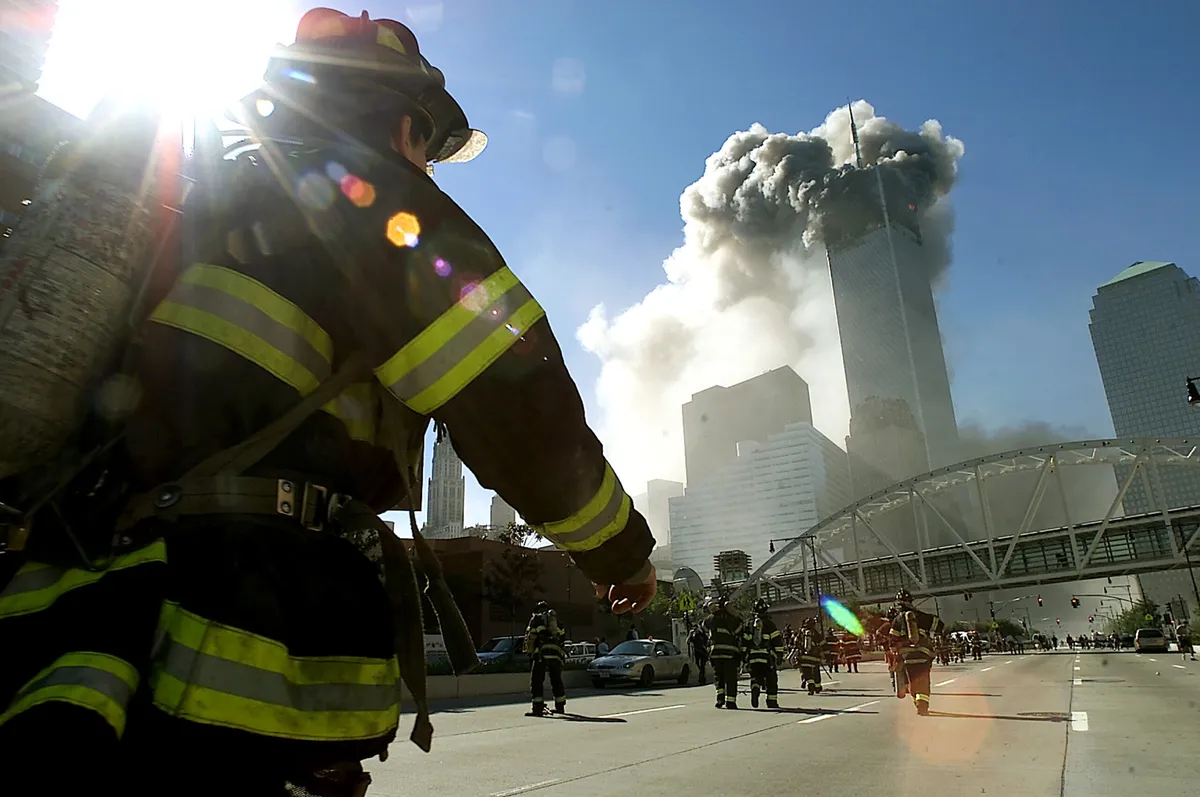
As the nation prepares to mark the 25th anniversary of the September 11 attacks, a significant release of documents by New York City officials unveils a complex narrative of public health, safety, and liability management in the wake of one of the most tragic days in American history. Mayor Zohran Mamdani's disclosure of over 170,000 pages of records highlights the city's struggle to balance public reassurance with an underlying fear of legal repercussions stemming from toxic exposure in Lower Manhattan.
The aftermath of the World Trade Center's collapse created an environmental crisis unseen in modern urban history. Massive dust clouds enveloped downtown New York, blanketing neighborhoods with a toxic mix of ash, debris, and harmful particles. This revelation raises critical questions about the long-term implications of such exposure, especially for the estimated 400,000 civilians and first responders who faced these hazards.
The Toxic Legacy of 9/11
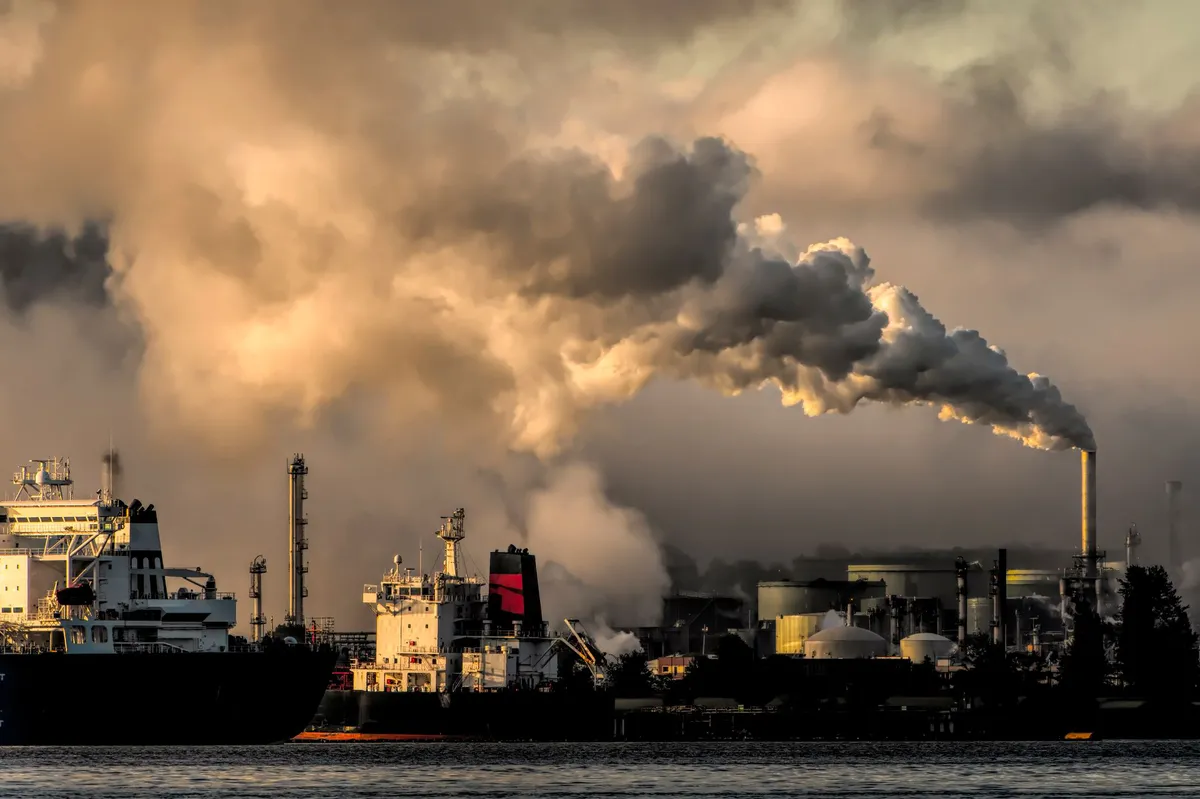
The U.S. Centers for Disease Control and Prevention (CDC) reported that fires at Ground Zero burned for months, releasing carcinogenic byproducts into the air. This toxic exposure has been linked to various health issues, including respiratory diseases, cancers, and other debilitating conditions. The city's response, as documented in the released files, reveals a strategic approach aimed at controlling public perception while addressing potential liability from toxic tort claims.
The Harding Memo and Its Implications
Among the documents, a memo prepared in October 2001 for Robert Harding, a deputy mayor under Rudy Giuliani, estimates that New York City could face as many as 35,000 potential plaintiffs in future lawsuits related to toxic exposure. This foresight illustrates the gravity of the situation and the city's concern over liability. The memo indicates that city officials considered seeking federal protection from lawsuits that might arise in the coming decades, thus prioritizing legal strategy over public health communication.
Public Health vs. Legal Liability
One of the most alarming aspects of the released documents is a memo from May 2002 stating that city officials were advised to avoid using the word "risk" in communications about the cleanup program. The rationale was clear: using such language could undermine public confidence in the safety of air quality in Lower Manhattan. This raises ethical questions about the responsibility of officials to provide accurate information while managing public relations during crises.
In a city still reeling from the trauma of the attacks, the decision to prioritize public confidence over transparency could have significant health implications. The long-term effects of toxic exposure are still being studied, but many of those affected have already begun to experience serious health issues, leading to a growing number of claims against the city and the federal government.
The Role of Asbestos and Other Carcinogens
The documents also reveal that asbestos, a known carcinogen, was found "nearly everywhere that inspectors tested" following the attacks. This raises further concerns about the health risks posed to first responders and civilians who were in proximity to the contaminated debris. The presence of such hazardous materials calls into question the adequacy of the city’s response in terms of both immediate cleanup efforts and long-term health monitoring for affected individuals.
In the wake of these revelations, the importance of robust health monitoring and support systems for first responders and civilians becomes paramount. The federal government has since created programs to assist those affected by 9/11-related health issues, but many argue that more should be done to ensure that these individuals receive the care they need.
Legal Repercussions and Future Implications
The release of these documents coincides with the city's recent settlement of two lawsuits brought by 9/11 Health Watch, which sought information regarding air quality and health risks in the aftermath of the attacks. The implications of these settlements could have lasting effects on how future crises are managed by city and federal officials.
As public awareness of toxic exposure increases, so does the potential for legal claims against municipalities and governments. This places a greater burden on officials to prioritize both public safety and transparency in communications. The fear of liability may drive policymakers to implement more stringent safety measures to protect citizens in the future.
Key Takeaways
- Over 170,000 pages of documents reveal New York City's concerns over toxic air liability post-9/11.
- City officials estimated facing 35,000 potential plaintiffs from toxic exposure claims.
- Critical documents indicate efforts to avoid public alarm about air quality risks.
- The presence of asbestos and carcinogens raises ongoing health concerns for responders and civilians.
- Recent settlements highlight the need for better public health communication and support systems.
Frequently Asked Questions
What specific health risks are associated with the toxic exposure from 9/11?
The toxic exposure resulting from the 9/11 attacks has been linked to a range of health issues, including respiratory diseases, various cancers, and other chronic conditions. First responders and civilians who were in the vicinity of Ground Zero have reported higher incidences of these diseases, prompting ongoing studies to understand the long-term health effects better.
How have the documents released by NYC impacted public perception?
The release of these documents has significantly impacted public perception regarding the city’s management of health risks post-9/11. By revealing that officials prioritized liability concerns over public health communication, many individuals feel that they were not adequately informed about the risks they faced, potentially leading to distrust in government agencies tasked with public safety.
What measures are in place for those affected by the toxic exposure?
In response to the health issues arising from 9/11-related toxic exposure, the federal government has implemented programs such as the World Trade Center Health Program, which provides medical monitoring and treatment for eligible individuals. These programs aim to support first responders and civilians suffering from health complications linked to their exposure to toxic substances during and after the attacks.
What can individuals do if they believe they are affected?
Individuals who believe they have suffered health consequences from 9/11-related toxic exposure should seek medical evaluation and treatment. Additionally, they may want to explore legal options, including filing claims under the Zadroga Act, which provides compensation for individuals who developed health conditions due to their exposure. Consulting with a lawyer experienced in 9/11-related claims can provide guidance on the best course of action.
Comments
Unpacking America's Health Coverage Crisis: A Deep Dive into Consumer Fears
A new study reveals that many insured Americans fear their health coverage won't protect them during a crisis. This article explores the implications of these findings on individuals and the healthcare system.

Related articles

Popular in Health Insurance
- Humana's Medicare Advantage Growth and Strategic Developments: Q2 2026 Insights
- FDA Calls for Enhanced Oversight in Infant Formula Supply Chain
- Abbott Laboratories Faces Cybersecurity Challenges: What It Means for Healthcare
- Surge in Cyclosporiasis Cases in Michigan: A Deep Dive into the Outbreak
- Liberty Mutual Targets New York Clinics in $1.5M No-Fault Billing Scheme Lawsuit