Retired Soccer Players Show Brain Changes Without Cognitive Decline
A recent study reveals that retired professional soccer players exhibit structural brain differences and higher rates of anxiety and depression, yet show no signs of cognitive decline. This research opens new avenues for understanding the long-term effects of repetitive head impacts in sports.

In a groundbreaking study presented at the Alzheimer’s Association International Conference, researchers from Imperial College London unveiled significant insights regarding the long-term impacts of repetitive head impacts in professional soccer players. The study, which involved 142 retired British soccer players aged between 30 and 60, found structural brain differences associated with anxiety and depression. However, intriguingly, these former players exhibited no signs of cognitive decline, raising important questions about the relationship between sports-related injuries and brain health.
As discussions around athlete safety and brain health gain momentum, this research adds a critical layer to our understanding of how sports can affect cognitive functions later in life. While the study did not establish a direct link to Alzheimer’s disease or other forms of dementia, it highlights the need for ongoing research in this area, particularly as athletes face increased scrutiny over the potential risks associated with their professions.
Understanding the Study's Design and Findings
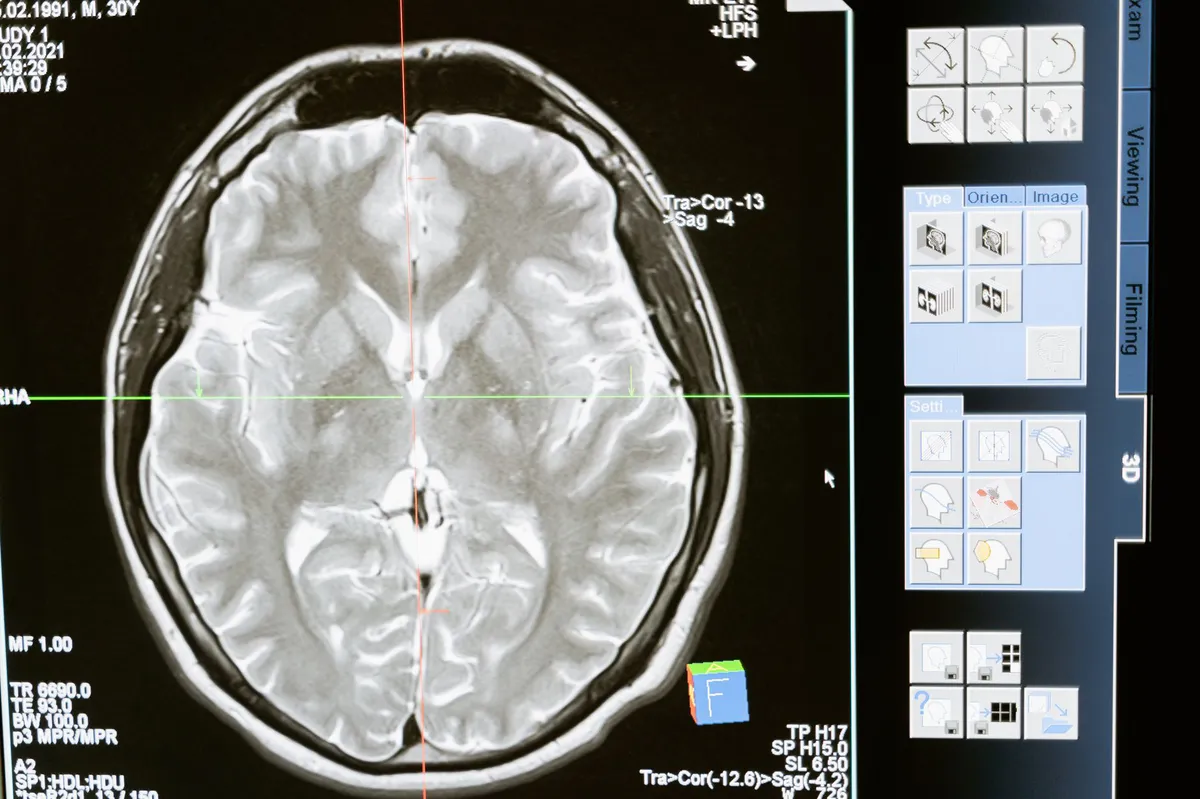
The research conducted by the Imperial College team involved a comprehensive comparison between former soccer players and a control group of 56 healthy individuals with no history of contact sports or concussions. Researchers utilized a combination of questionnaires, cognitive tests, and structural MRI brain scans to assess differences in brain health. Their goal was to investigate whether repetitive head impacts, such as those experienced during heading the ball, could potentially alter brain structure and function, thereby influencing the risk of developing dementia.
After adjusting for various factors including age and education, the results indicated that the retired players performed comparably to the control group in memory and thinking tests. This is a crucial finding, as it suggests that while structural changes in the brain may be present, they do not necessarily correlate with immediate cognitive impairment.
High Rates of Anxiety and Depression Among Athletes
Despite similar cognitive performance, the study revealed alarming mental health statistics among the former players. Approximately 31% of these athletes met the criteria for clinical depression, a stark contrast to only 9% in the control group. Furthermore, 42% reported experiencing clinical anxiety, compared to 25% of the control participants.
These findings underscore the psychological toll that a professional sports career can take, particularly in high-contact sports like soccer. The structural brain scans indicated reduced grey matter in regions associated with memory and emotional regulation, suggesting that while cognitive decline may not be present, underlying psychological issues are significant and warrant attention.
Implications for Athlete Health and Future Research
The implications of this study extend beyond the immediate findings. The researchers emphasized that this is the beginning of a long-term study aimed at monitoring these players every two years, a critical step in understanding the trajectory of brain health in former athletes. As senior author Thomas Parker noted, the field is shifting towards a more holistic view of brain health and dementia risk, akin to how medical professionals address other health factors like high blood pressure and cholesterol.
The study also sets the stage for future research that may establish a clearer connection between head impacts and neurodegenerative diseases, potentially guiding interventions and preventative strategies for current and future athletes. The team plans to submit a more extensive paper later this year, which will include a larger sample size and additional analyses.
Limitations and Cautions in Interpretation
While the study presents promising insights, researchers caution against jumping to conclusions regarding individual dementia risk among former athletes. The findings do not provide a definitive link to Alzheimer’s disease or other neurodegenerative conditions, as the study has yet to undergo peer review. Most existing research on sports-related brain injuries has relied heavily on post-mortem examinations and retrospective medical records to assess chronic traumatic encephalopathy (CTE), a condition linked to repeated head trauma.
As such, the current study represents a pioneering effort to observe athletes in mid-life, tracking neurological changes that could precede dementia. However, it's vital for both athletes and the public to remain cautious about interpreting these findings, as they do not predict individual outcomes and risk assessments are still in the early stages.
Key Takeaways
- Former professional soccer players show structural brain changes but no cognitive decline.
- High rates of anxiety (42%) and depression (31%) were reported among retired players.
- The study highlights the need for ongoing research into the effects of repetitive head impacts.
- Findings do not establish a direct link to Alzheimer’s or other forms of dementia.
- Future studies will aim to monitor these athletes for long-term health impacts.
Frequently Asked Questions
What were the key findings of the study?
The study found that while retired soccer players showed structural brain changes, they did not exhibit cognitive decline when assessed through memory and thinking tests. However, there were significantly higher rates of anxiety and depression reported among the athletes compared to a control group.
How does this study contribute to understanding athlete brain health?
This research is part of a larger effort to understand the long-term effects of head impacts in contact sports like soccer. By observing players in mid-life, researchers hope to identify early signs of potential neurodegenerative diseases, which could lead to better preventative measures and treatments for current athletes.
What should current athletes take away from this study?
Current athletes should be aware of the potential mental health challenges associated with their sport, even if they do not exhibit immediate cognitive decline. It is crucial for athletes to prioritize mental health and seek support when needed, in addition to being conscious of the physical impacts of their sport.
Are there plans for further research on this topic?
Yes, the researchers at Imperial College London plan to conduct a long-term study monitoring the same group of former soccer players every two years. They aim to expand their sample size and deepen their analysis to gain a clearer understanding of the effects of repetitive head impacts on brain health.
Comments
New Antitrust Lawsuit Targets MultiPlan and Major Insurers Over Pricing Practices
A recent lawsuit claims MultiPlan and numerous insurers colluded to suppress out-of-network reimbursement rates, potentially impacting healthcare providers and consumers. The case sheds light on significant pricing methodologies in the insurance landscape.

Related articles
Popular in Health Insurance
- Humana's Medicare Advantage Growth and Strategic Developments: Q2 2026 Insights
- FDA Calls for Enhanced Oversight in Infant Formula Supply Chain
- Abbott Laboratories Faces Cybersecurity Challenges: What It Means for Healthcare
- Surge in Cyclosporiasis Cases in Michigan: A Deep Dive into the Outbreak
- Liberty Mutual Targets New York Clinics in $1.5M No-Fault Billing Scheme Lawsuit