Ohio Health Insurers Face New Overpayment Recovery Limits
Ohio has enacted new legislation that significantly reduces the time insurers have to recover overpayments from healthcare providers. This change aims to stabilize financial relations and improve accountability in the healthcare system.
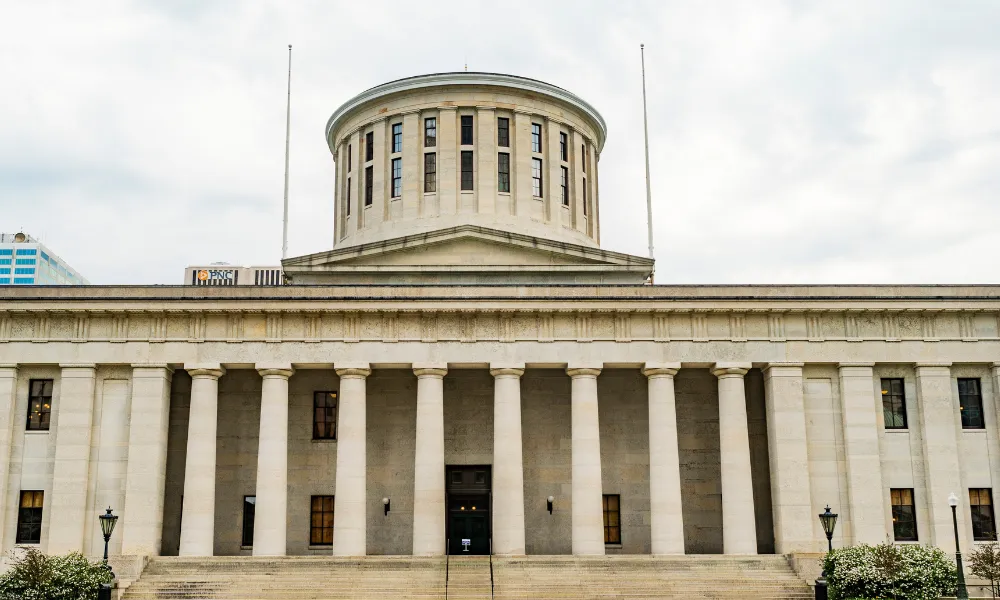
In a significant shift for the healthcare landscape in Ohio, Governor Mike DeWine recently signed Senate Bill 162 into law, drastically changing the rules governing how health insurers can recover overpayments made to healthcare providers. This new legislation trims the recovery timeframe from two years to just one year, unless fraud is involved. This move has been met with widespread support, as evidenced by the unanimous votes in both the Ohio House and Senate, indicating a strong political consensus aimed at reducing financial uncertainty for healthcare providers.
The implications of this law extend beyond mere financial mechanics; they reflect a growing recognition of the need for balance in the often fraught relationship between insurers and providers. By limiting the recovery period, the law aims to enhance stability and accountability within the healthcare system, fostering a more equitable environment for both parties. This legislation could serve as a template for similar reforms in other states, signaling a broader trend towards protecting healthcare providers from perpetual financial instability.

A Closer Look at Senate Bill 162
Senate Bill 162 amends section 3901.388 of the Ohio Revised Code, fundamentally altering how and when insurers can reclaim overpayments. The law includes several key provisions that aim to shift the operational burden of overpayment recovery from providers to payers:
- Reduction of Recovery Window: Insurers now have only one year from the payment date to seek repayment of overpayments, significantly less than the previous two-year window.
- Extended Provider Response Time: Providers are granted 60 days to respond to an overpayment notice, doubling the previous 30-day period.
- Elimination of Appeal Fees: Insurers can no longer charge providers fees when they appeal an overpayment determination, effectively removing a financial barrier that could discourage providers from contesting claims.
- Mandatory Electronic Notification: Insurers must now provide electronic notice of any take-backs where there is an established electronic system in place, ensuring more transparent communication.
These changes collectively alter the dynamics of overpayment recovery, placing greater accountability on insurers while providing a more manageable framework for providers.

The Impact on Healthcare Providers
The immediate impact of this legislation is particularly significant for healthcare providers, especially in the behavioral and mental health sectors. A case in point is CareSource, a Dayton-based insurer, which faced backlash after announcing plans to recover overpayments from certain providers that had accumulated over two years. Following provider feedback—highlighting the potential financial strain and the risk of diminishing access to care—CareSource suspended its recoupment efforts and opted to correct future claims instead.
This incident underscores the very real consequences that overpayment recovery practices can have on providers, especially smaller practices that may be financially vulnerable. Melissa Kappes, co-owner of The Counseling Professionals, expressed relief at the suspension of recoupments but noted lingering uncertainty regarding the future of payment practices.
Legislative Balance
Senator Louis Blessing III, the bill's sponsor, emphasized the importance of maintaining a balance between protecting providers and allowing insurers to correct payment errors. He stated, "By giving confidence to providers and retaining the ability for payers to correct errors, this legislation increases stability, fairness, and accountability in the industry." The unanimous support for this bill suggests a collective acknowledgment of the challenges faced by healthcare providers and the need for legislative action to address these issues.

Broader Implications for the Insurance Market
The unanimous passage of Senate Bill 162 in Ohio could be indicative of a larger trend across the United States. As healthcare providers increasingly push back against insurer practices perceived as unfair, similar legislative initiatives may arise in other states. The political conditions present in Ohio—where provider-payer disputes have gained public attention—may serve as a catalyst for similar reforms elsewhere.
Health insurers operating in multiple states should take note of this legislative shift not merely as a compliance update but as a potential early warning sign of where provider protection legislation might be headed. Insurers may need to reassess their recovery strategies and operational protocols to align with these evolving legal standards.
Key Takeaways
- The recovery window for insurers to reclaim overpayments is now reduced to one year in Ohio.
- Providers have increased response time to 60 days for overpayment notices.
- The elimination of appeal fees is expected to encourage providers to contest overpayment claims.
- Mandatory electronic notifications improve communication between insurers and providers.
- This legislation may lead to similar reforms in other states, reflecting a broader trend toward provider protection.
Frequently Asked Questions
What are the main changes introduced by Senate Bill 162?
Senate Bill 162 introduces several key changes, including a reduction in the overpayment recovery window from two years to one year, an extension of the provider response time to 60 days, the elimination of fees for appealing overpayment determinations, and a requirement for insurers to provide electronic notifications of take-backs. These changes are designed to alleviate financial strain on providers while still allowing insurers to correct genuine errors.
How might this law affect healthcare access for patients?
The law aims to protect healthcare providers from financial uncertainty, which can, in turn, safeguard patient access to care. By reducing the burden of overpayment recoupments, providers may be less likely to experience financial strain that could lead to reduced services or increased costs for patients. Ultimately, this could foster a more stable healthcare environment, benefiting both providers and patients.
Are there similar laws being considered in other states?
While Ohio's Senate Bill 162 is currently a standout example, the political consensus observed in the bill's passage suggests that other states may follow suit. As healthcare providers increasingly advocate for fair treatment in financial dealings with insurers, similar legislative efforts could emerge in states where provider-payer disputes gain public attention. This trend could lead to a wave of reforms aimed at improving provider protections and enhancing the overall stability of the healthcare market.
Comments
Appeals Court Revives Lawsuits Linking Tylenol to Autism: What You Need to Know
A federal appeals court has revived over 500 lawsuits against Tylenol maker Kenvue, reigniting the debate over the painkiller's alleged link to autism. This article explores the implications of the ruling, key players involved, and what parents should consider moving forward.

Related articles

Popular in Health Insurance
- Humana's Medicare Advantage Growth and Strategic Developments: Q2 2026 Insights
- FDA Calls for Enhanced Oversight in Infant Formula Supply Chain
- Abbott Laboratories Faces Cybersecurity Challenges: What It Means for Healthcare
- Surge in Cyclosporiasis Cases in Michigan: A Deep Dive into the Outbreak
- Liberty Mutual Targets New York Clinics in $1.5M No-Fault Billing Scheme Lawsuit