Lawsuit Challenges FDA's Vaping Product Policy Amid Health Concerns
A coalition of public health advocates has filed a lawsuit against the FDA for allowing unauthorized vaping products to remain on the market, raising significant health and regulatory concerns.
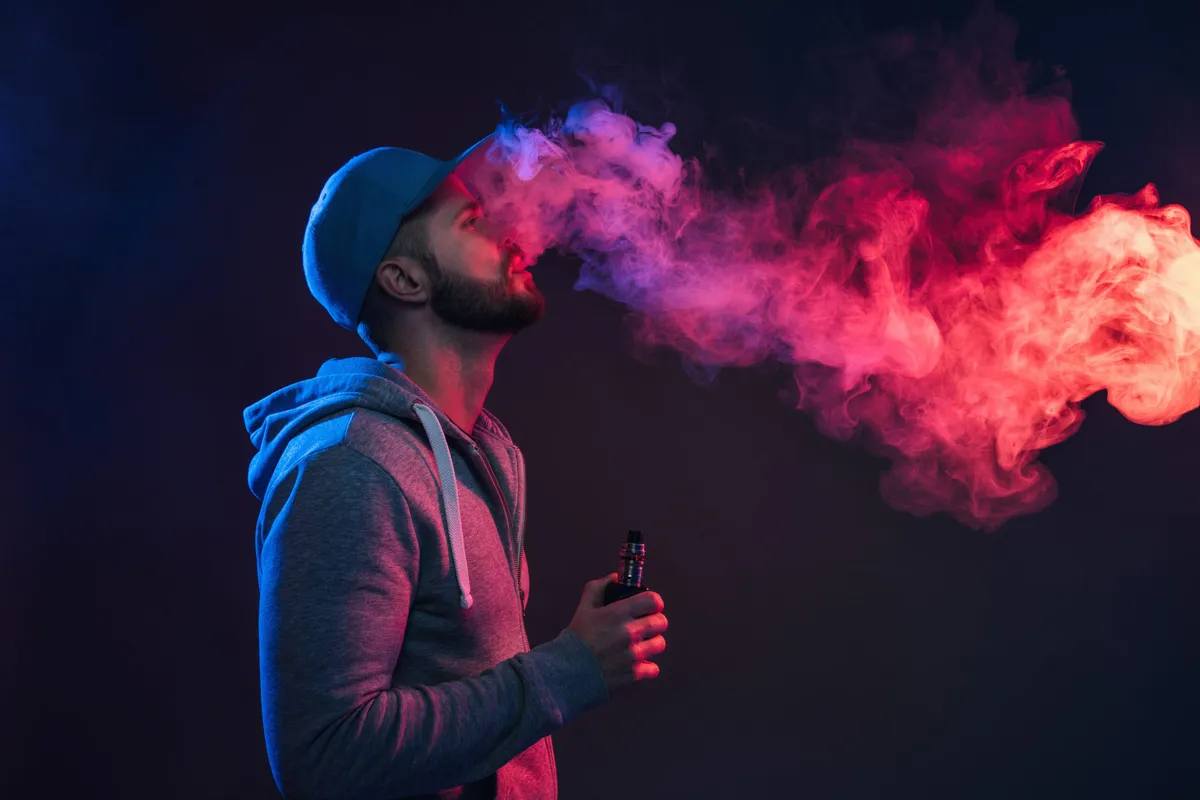
The U.S. Food and Drug Administration (FDA) finds itself at the center of a heated legal battle as a coalition of public health organizations, pediatricians, and concerned parents has filed a lawsuit aimed at challenging a controversial policy change. This lawsuit, filed on July 14, 2026, in the U.S. District Court in Maryland, targets guidance issued by the FDA in May, which effectively allows certain manufacturers to sell vaping products and nicotine pouches without the legally mandated marketing authorization. The implications of this lawsuit extend far beyond regulatory compliance; they touch on the health and safety of a vulnerable population—youth.
The coalition, which includes prominent organizations such as the Campaign for Tobacco-Free Kids, the American Academy of Pediatrics, and the American Cancer Society Cancer Action Network, argues that the FDA's recent guidance could lead to a proliferation of unauthorized e-cigarettes and flavored nicotine products that are highly appealing to young users. As flavored e-cigarettes have been linked to rising addiction rates among teens, the stakes in this legal confrontation are alarmingly high.
Background of the FDA's Guidance
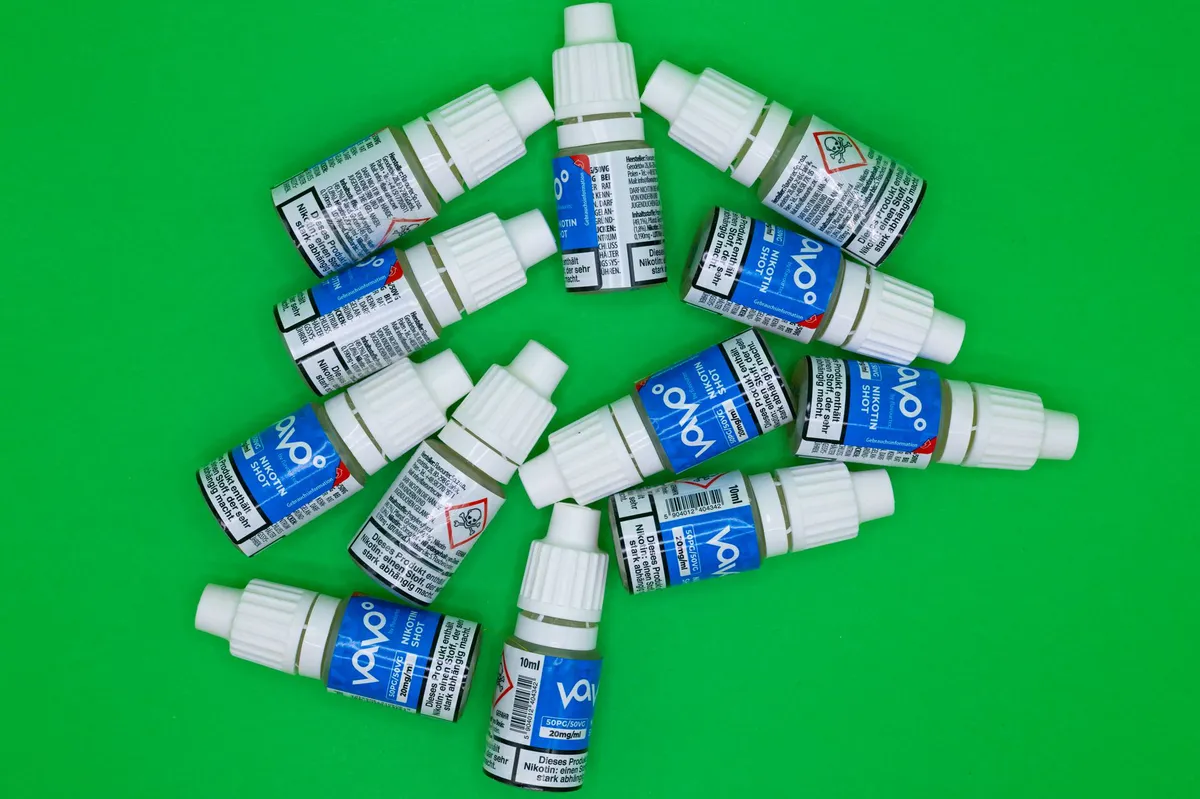
In May 2026, the FDA issued guidance stating that it would not prioritize enforcement actions against certain unauthorized vaping products, provided that the manufacturers had marketing applications under review. This decision has been met with fierce criticism from public health advocates who argue that it undermines the Tobacco Control Act, which mandates that all tobacco products receive proper authorization before being marketed to consumers.
What the Tobacco Control Act Mandates
The Tobacco Control Act was enacted in 2009 to grant the FDA regulatory authority over tobacco products. This law requires manufacturers to submit a premarket tobacco application (PMTA) to obtain approval for new products, ensuring that they meet specific health and safety standards. By allowing unauthorized products to remain on the market, the FDA's new policy is seen as a significant step back in tobacco control efforts.

Concerns Raised by the Plaintiffs
The plaintiffs in this lawsuit express grave concerns that the FDA's guidance could lead to an influx of unauthorized products, particularly flavored e-cigarettes and nicotine pouches, which are popular among adolescents. The lawsuit highlights several critical issues:
- Public Health Risks: The guidance may permit thousands of unauthorized products to be sold indefinitely, potentially exacerbating nicotine addiction among youth.
- Lack of Transparency: The FDA is accused of circumventing the required public notice and comment procedures under the Administrative Procedure Act, raising questions about the legitimacy of its policy shift.
- Facilitation of Unauthorized Sales: The FDA's intent to publish a list of products it does not prioritize for enforcement could inadvertently legitimize the sale of unauthorized products.
The Impact on Youth and Public Health
The rise of vaping among teenagers has been alarming. According to the CDC, approximately 19.6% of high school students reported using e-cigarettes in 2020, with flavored products being a significant driver of this trend. The lawsuit references instances where children have become addicted to nicotine after using flavored e-cigarettes, highlighting the very real consequences of the FDA's policy on young lives.

Legal Precedents and Future Implications
This legal action is not the first of its kind against the FDA regarding vaping regulations. In 2017, the same Maryland court struck down an FDA policy that allowed many e-cigarettes to remain on the market without proper authorization. The outcome of this current lawsuit could set a crucial precedent for how the FDA regulates vaping products moving forward.
Potential Outcomes of the Lawsuit
The court's ruling could either reinforce the FDA’s current approach to enforcement or compel the agency to revert to stricter regulations that mandate comprehensive review and approval of all vaping products. A ruling in favor of the plaintiffs could have broad implications for the vaping industry, public health policy, and the FDA's regulatory authority.
What Consumers Should Know
As this lawsuit unfolds, consumers must stay informed about the regulatory landscape surrounding vaping products. Here are some key considerations:
- Be cautious about flavored vaping products, especially those marketed towards youth.
- Stay updated on the lawsuit's progress, as its outcomes could lead to significant changes in product availability.
- Consider the health risks associated with vaping and consult health professionals for guidance.
Key Takeaways
- A coalition of public health organizations has sued the FDA over unauthorized vaping products.
- The lawsuit challenges the FDA's guidance that allows certain products to remain on the market without proper authorization.
- The case could have significant implications for youth health and FDA regulatory policy.
- The outcome may set legal precedents affecting future vaping regulations.
Frequently Asked Questions
What led to the lawsuit against the FDA?
The lawsuit was initiated by a coalition of public health organizations, pediatricians, and parents in response to FDA guidance that permits certain unauthorized vaping products to remain on the market. They argue that this guidance undermines the Tobacco Control Act and poses health risks to youth.
What are the potential health implications of the FDA's policy?
The FDA's policy could result in an increase in the availability of flavored e-cigarettes and nicotine pouches, which are particularly appealing to young people. This raises concerns about rising addiction rates and long-term health consequences associated with nicotine use.
How does this lawsuit compare to previous legal actions against the FDA?
This lawsuit is similar to a 2017 case in which the same court struck down an FDA policy allowing many vaping products to remain on the market without authorization. The outcome of this current lawsuit could further influence the FDA's regulatory approach and set important legal precedents.
What should consumers do in light of this lawsuit?
Consumers should remain informed about the evolving regulatory landscape regarding vaping products. They should exercise caution, particularly with flavored products marketed to youth, and consult healthcare professionals regarding the health risks associated with vaping.
Comments
Popular in Health Insurance
- Humana's Medicare Advantage Growth and Strategic Developments: Q2 2026 Insights
- FDA Calls for Enhanced Oversight in Infant Formula Supply Chain
- Abbott Laboratories Faces Cybersecurity Challenges: What It Means for Healthcare
- Surge in Cyclosporiasis Cases in Michigan: A Deep Dive into the Outbreak
- Liberty Mutual Targets New York Clinics in $1.5M No-Fault Billing Scheme Lawsuit