Novo Nordisk Takes Legal Action Against Eli Lilly Over Obesity Drug Advertising
Novo Nordisk has initiated a lawsuit against Eli Lilly, alleging misleading advertising tactics in the competitive obesity drug market. This legal battle highlights the intense rivalry and ethical considerations in pharmaceutical marketing as the global obesity treatment market expands.
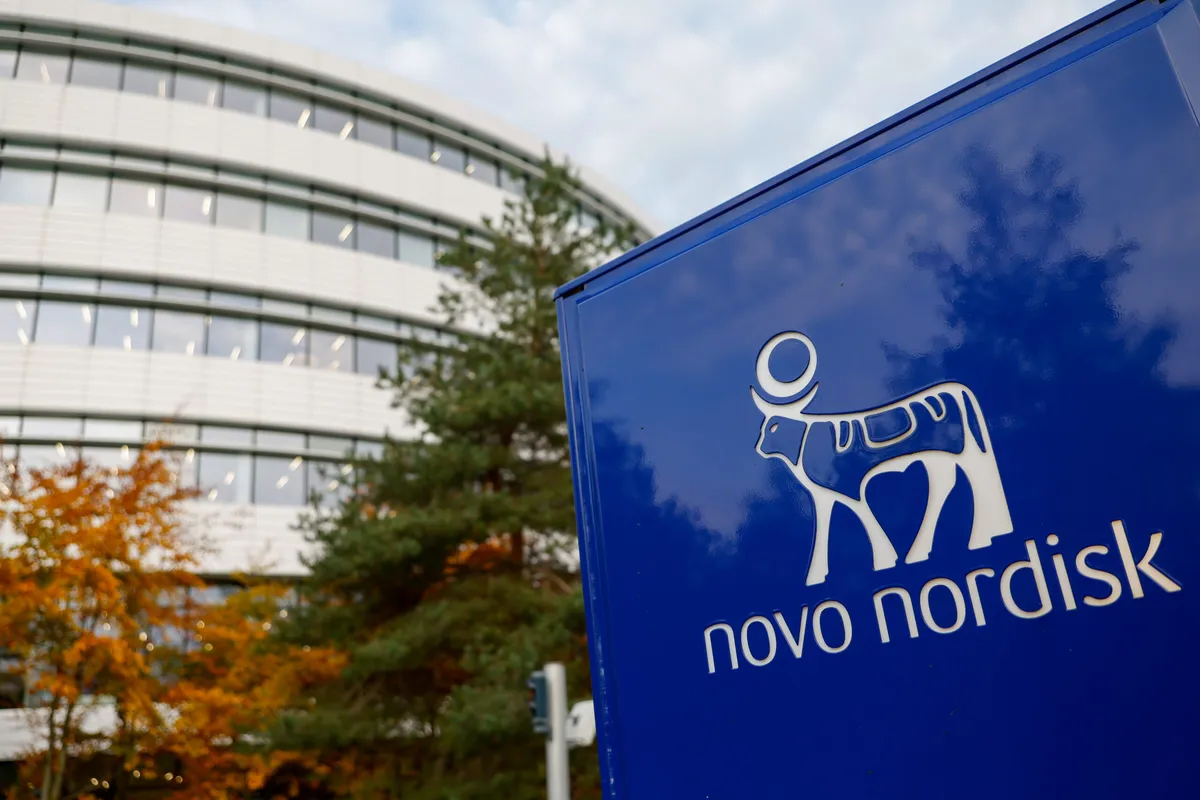
The competitive landscape of the obesity drug market has taken a litigious turn as Danish pharmaceutical giant Novo Nordisk A/S has filed a lawsuit against U.S.-based Eli Lilly & Co. The lawsuit, lodged in a federal court in New Jersey, centers around allegations that Eli Lilly has engaged in misleading advertising practices regarding its obesity treatment Zepbound in comparison to Novo's Wegovy. As the global market for obesity treatments is projected to skyrocket to $120 billion by 2030, the stakes for both companies have never been higher.
At the heart of the lawsuit is a specific advertising campaign launched by Eli Lilly in April 2026, which claims that patients taking Zepbound lost an average of 50 pounds, while those on Wegovy lost an average of 33 pounds. Novo Nordisk, however, argues that this comparison is unfair and relies on outdated data that does not reflect the latest advances in their own drug's dosing. As competition intensifies between these two pharmaceutical titans, the outcome of this legal battle could have significant ramifications for marketing practices, consumer perceptions, and ultimately, patient access to effective obesity treatments.

The Rising Tide of Obesity Treatment
The increasing prevalence of obesity in the United States has prompted a significant response from the pharmaceutical industry. According to the Centers for Disease Control and Prevention (CDC), nearly 42% of American adults are classified as obese, a statistic that has catalyzed investment and innovation in obesity-related treatments. Novo Nordisk was one of the pioneers in this market with Wegovy, which received FDA approval in 2021. However, Eli Lilly has quickly gained traction with its own product, Zepbound, which was designed to compete directly with Wegovy.
The Competition Heats Up
The rivalry came to a head after Eli Lilly's Zepbound outperformed Wegovy in a head-to-head clinical trial known as the Surmount-5 study. However, Novo Nordisk has since secured approval for a higher dose of Wegovy, which it argues should be the basis for any comparative statements made by Eli Lilly. The FDA's approval of the increased dosage in March 2026 has allowed Novo to market Wegovy with a dose three times higher than what was used in the Surmount-5 study, potentially altering the landscape of weight loss outcomes.

Legal Allegations and Implications
In its lawsuit, Novo Nordisk claims that Eli Lilly has violated U.S. federal and state false advertising laws, specifically citing the Lanham Act, which governs misleading advertising in the marketplace. This legal framework provides a basis for companies to challenge false or deceptive advertising practices that can harm competition and mislead consumers.
During an interview, John Kuckelman, Novo's general counsel, expressed concerns over the impact of Eli Lilly's advertisements, stating, "They’ve already polluted the water, so to speak, and now it needs to be cleaned up." Novo is not only seeking to halt the misleading advertisements but is also requesting corrective advertising to rectify any misconceptions created in the marketplace. Additionally, Novo is pursuing damages, including lost profits potentially tripled under U.S. law, highlighting the serious financial implications of these accusations.

Market Dynamics and Future Considerations
The obesity treatment market is rapidly evolving, driven by the dual forces of rising obesity rates and increasing consumer demand for effective treatments. As both companies vie for market dominance, they have begun to explore innovative partnerships and strategies to enhance patient access and engagement. Novo Nordisk, for example, has partnered with telehealth companies to expand reach while simultaneously introducing new weight-loss pills that have gained popularity among patients.
The Role of Regulatory Bodies
Beyond the immediate implications of this lawsuit, the case may invite scrutiny from regulatory bodies such as the FDA. The FDA is responsible for overseeing drug advertising and ensuring that claims made in advertisements are substantiated by clinical evidence. Depending on the outcome of the lawsuit, Novo Nordisk may also pursue additional remedies through the FDA to address what it perceives as unfair competition practices by Eli Lilly.
Key Takeaways
- Legal Action: Novo Nordisk has filed a lawsuit against Eli Lilly for misleading advertising practices.
- Market Competition: The obesity drug market is highly competitive, with significant financial stakes for both companies.
- Consumer Impact: Misleading advertising could influence consumer choices and access to effective obesity treatments.
- Regulatory Scrutiny: The case may prompt further examination of drug advertising practices by the FDA.
Frequently Asked Questions
What is the basis of Novo Nordisk's lawsuit against Eli Lilly?
Novo Nordisk's lawsuit is based on allegations that Eli Lilly has engaged in misleading advertising practices regarding its obesity drug Zepbound. The crux of the complaint is that Eli Lilly's advertisements compare outdated weight-loss data from lower doses of Wegovy, which misleads consumers about the efficacy of Zepbound.
How does this legal battle affect consumers?
This legal battle has significant implications for consumers, particularly those seeking effective obesity treatments. If Novo Nordisk prevails, it may lead to more accurate advertising practices in the industry, ultimately helping consumers make informed decisions about their treatment options. Conversely, misleading information could detract from patient access to effective therapies.
What are the potential consequences for Eli Lilly if they are found liable?
If Eli Lilly is found liable for false advertising, they may be required to cease their misleading advertisements and issue corrective statements. Additionally, Novo Nordisk could recover lost profits and seek damages that are triple the amount lost, which could have substantial financial repercussions for Eli Lilly and impact their market position.
What is the outlook for the obesity drug market moving forward?
The obesity drug market is poised for significant growth, with projections indicating a potential value of $120 billion by 2030. As competition heats up, pharmaceutical companies are likely to continue innovating and refining their marketing strategies. The outcome of lawsuits like this one will shape industry practices and may influence consumer perceptions of various obesity treatments.
Comments
Popular in Health Insurance
- Humana's Medicare Advantage Growth and Strategic Developments: Q2 2026 Insights
- FDA Calls for Enhanced Oversight in Infant Formula Supply Chain
- Abbott Laboratories Faces Cybersecurity Challenges: What It Means for Healthcare
- Surge in Cyclosporiasis Cases in Michigan: A Deep Dive into the Outbreak
- Liberty Mutual Targets New York Clinics in $1.5M No-Fault Billing Scheme Lawsuit