Understanding the Cyclospora Outbreak Linked to Taylor Farms: Implications and Responses
The recent Cyclospora outbreak tied to Taylor Farms has raised significant concerns about food safety and regulatory practices. This article delves into the implications of this outbreak, the response from various stakeholders, and what consumers need to know.
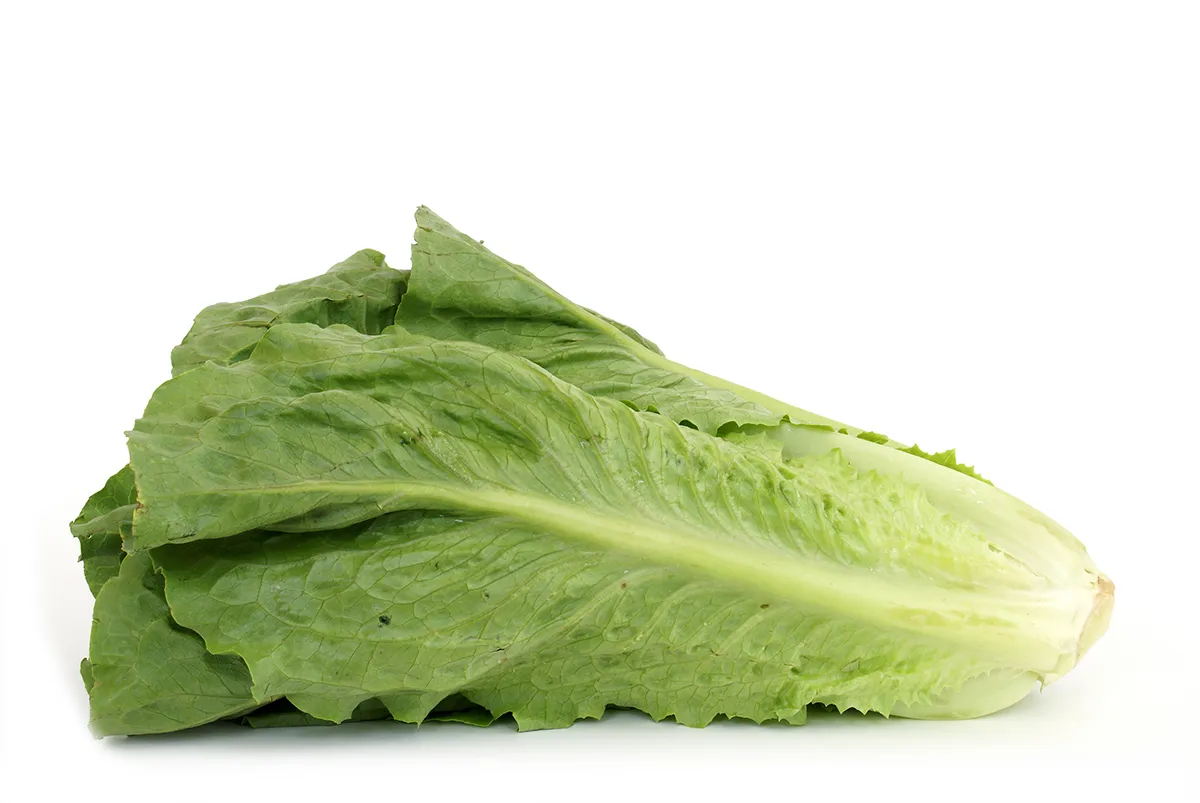
The alarming rise in cases of cyclospora infection, a parasitic disease, has put the U.S. food supply under scrutiny, particularly focusing on Taylor Farms, a major produce supplier. With thousands of confirmed cases linked to their iceberg lettuce sourced from Mexico, the company’s response and the ensuing investigations have raised critical questions about food safety protocols, governmental oversight, and public health. As consumers grapple with uncertainty over the safety of their food, understanding the complexities of this outbreak is more vital than ever.
As of late July 2026, the Centers for Disease Control and Prevention (CDC) reported over 4,173 laboratory-confirmed cases of cyclosporiasis, with Michigan alone accounting for a significant spike in cases. The outbreak has prompted widespread fear, leading many consumers to avoid lettuce and similar fresh produce. Amidst this chaos, Taylor Farms has taken steps to mitigate the situation, but the fallout from this incident is far-reaching, impacting not just the company but the entire produce industry.
Background of the Cyclospora Outbreak
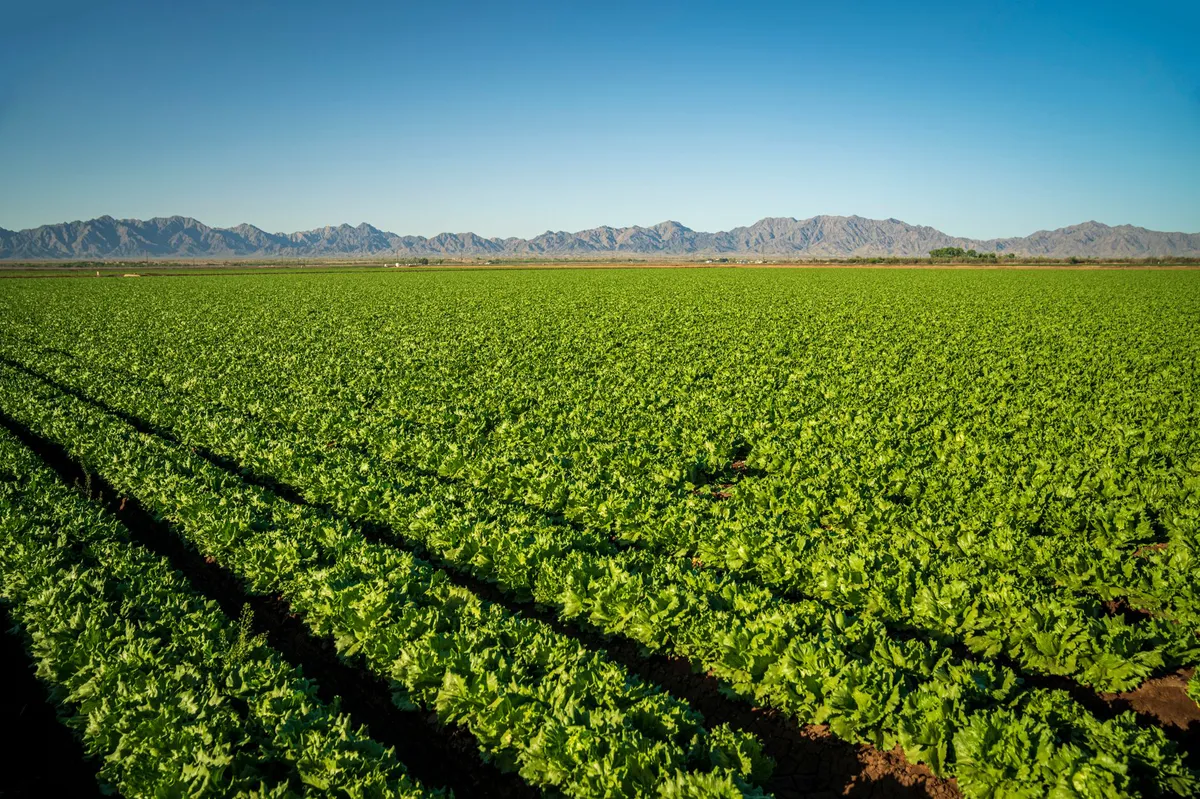
Cyclospora cayetanensis is a protozoan parasite that causes cyclosporiasis, which can lead to severe gastrointestinal symptoms. The outbreak linked to Taylor Farms has raised alarms primarily due to its association with iceberg lettuce served at Taco Bell restaurants. According to the FDA, this lettuce originated from Taylor Farms' operations in central Mexico, prompting an investigation into the safety protocols and practices of the company.
Health officials are now exploring potential additional sources of contamination beyond the lettuce, as they suspect that the outbreak may not be limited to a single product. The situation illustrates the complexities of food safety in a global supply chain, where contamination can arise from various sources, including water, soil, and even worker hygiene.
The Response from Taylor Farms
In response to the outbreak, Taylor Farms has publicly stated that it took immediate action by removing potentially contaminated products from the market and suspending production at its Mexican facility. However, reports indicate that the company did not meet the FDA's established 24-hour timeframe for voluntary action, leading to questions about its commitment to consumer safety.
Furthermore, sources have revealed that Taylor Farms reached out to White House and FDA officials to voice concerns about the government’s inspection process. This raises questions about the adequacy of current food safety regulations and the effectiveness of government oversight in preventing such outbreaks.
Political and Regulatory Implications
The political ramifications of this outbreak have been significant. U.S. Representative Robert Garcia has initiated an inquiry into Taylor Farms' conduct during the outbreak, particularly focusing on whether the company attempted to influence FDA responses. Such allegations prompt a closer examination of the relationship between food suppliers and regulatory bodies, highlighting potential conflicts of interest and the need for transparency in food safety practices.
As the investigation unfolds, the FDA asserts that it is committed to conducting a thorough, evidence-based investigation. The agency has emphasized that any assumptions about compromising public health are unfounded, ensuring that their primary focus remains on consumer safety.
Wider Impact on the Food Industry
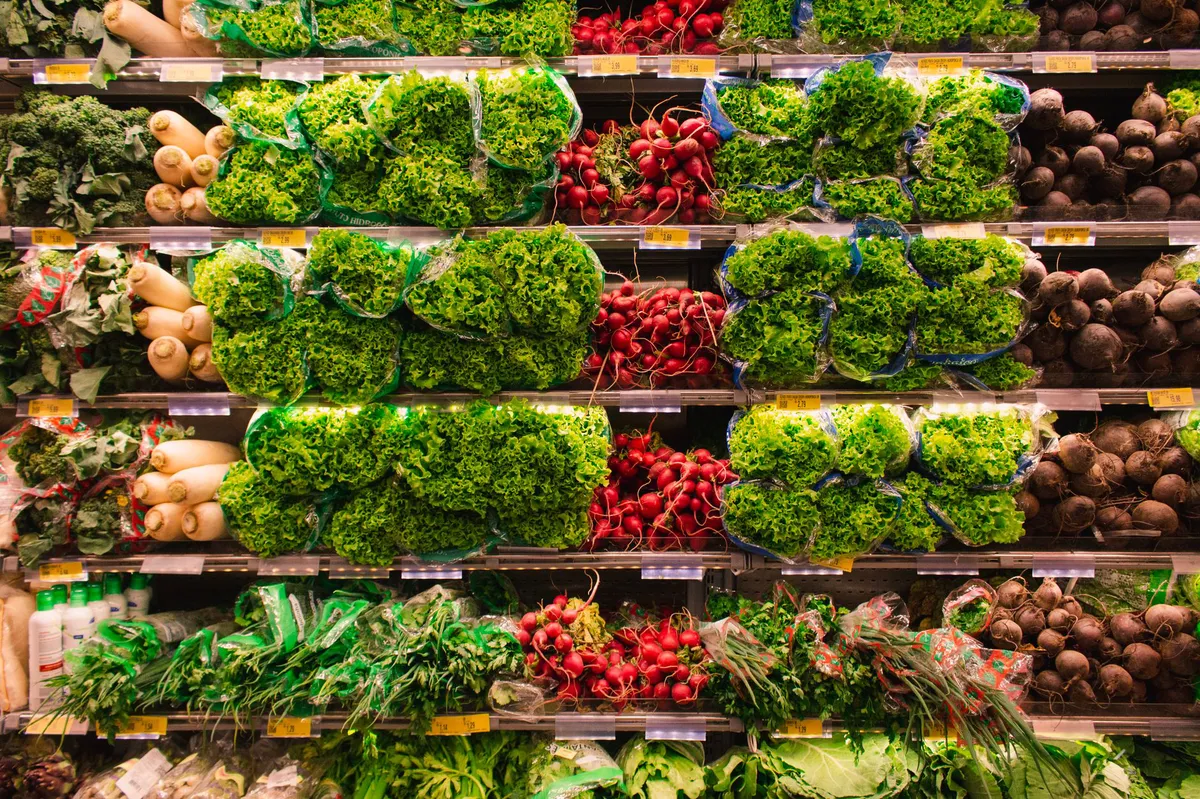
The impact of the cyclospora outbreak extends beyond Taylor Farms. Following the outbreak, several large retailers and restaurants have begun to shun produce from central Mexico, driven by fears of broader contamination. As former FDA Commissioner Scott Gottlieb pointed out, multiple clusters of illness have emerged across the U.S., suggesting that other products from the region—like parsley and cilantro—may also be implicated. This precautionary approach illustrates how one outbreak can ripple through the entire food supply chain, affecting numerous growers and suppliers.
- Over 4,173 confirmed cases of cyclosporiasis in the U.S.
- Michigan reported over 9,253 cases, including a significant rise since the previous update.
- Investigators are considering various products from central Mexico as potential sources of contamination.
Consumer Concerns and Safety Measures
The uncertainty surrounding food safety during this outbreak has led to increased consumer anxiety. Many individuals are reconsidering their food choices, particularly regarding fresh produce. Here are some key safety measures consumers should consider during this time:
- **Wash produce thoroughly**: Always wash fruits and vegetables under running water, even if you plan to peel them.
- **Stay informed**: Keep up to date with information from the CDC and FDA regarding food recalls and safety alerts.
- **Consider sourcing**: Purchase produce from trusted suppliers and be cautious of items from regions currently under investigation.
While the immediate focus is on addressing the current outbreak, it serves as a reminder of the importance of food safety practices both in production and consumption. Consumers are encouraged to remain vigilant and proactive about their food choices.
Key Takeaways
- The cyclospora outbreak linked to Taylor Farms has raised significant public health concerns.
- Taylor Farms has taken steps to remove potentially contaminated products but faced scrutiny over its response time.
- The FDA is investigating various potential sources of contamination beyond the implicated iceberg lettuce.
- Consumers should remain informed and practice good food safety measures to mitigate risks.
Frequently Asked Questions
What is Cyclospora and how does it affect health?
Cyclospora is a parasite that causes intestinal infections in humans, leading to symptoms such as severe diarrhea, nausea, and fatigue. The illness is often contracted through consumption of contaminated food or water. In severe cases, dehydration can occur, requiring medical treatment. The infection can last several weeks if untreated, highlighting the importance of food safety practices.
How can I protect myself from foodborne illnesses?
To protect yourself from foodborne illnesses like cyclospora, it is essential to wash all fruits and vegetables thoroughly before consumption. Cooking food to the appropriate temperatures and avoiding cross-contamination in the kitchen can also reduce risks. Staying informed about food recalls and outbreaks will help consumers make safer choices.
What is the role of the FDA in food safety?
The FDA is responsible for regulating food safety in the United States, overseeing the safety of food products, and conducting inspections of food production facilities. In the event of an outbreak, the FDA conducts investigations to identify the source and prevent further spread, working with state and local health authorities to protect public health.
How can consumers stay informed about food safety issues?
Consumers can stay informed about food safety issues by regularly checking the CDC and FDA websites, which provide updates on foodborne illness outbreaks, recalls, and safety tips. Subscribing to news alerts and following reputable news sources can also keep individuals informed about the latest developments in food safety.
Comments
California's Controversial Insurer Tax: Implications and Stakeholder Reactions
California's new tax on health insurers is facing opposition from congressional Republicans, raising concerns over costs for families and Medi-Cal funding. This article explores the implications of this tax on healthcare in California.

Related articles

Popular in Health Insurance
- Humana's Medicare Advantage Growth and Strategic Developments: Q2 2026 Insights
- FDA Calls for Enhanced Oversight in Infant Formula Supply Chain
- Abbott Laboratories Faces Cybersecurity Challenges: What It Means for Healthcare
- Surge in Cyclosporiasis Cases in Michigan: A Deep Dive into the Outbreak
- Liberty Mutual Targets New York Clinics in $1.5M No-Fault Billing Scheme Lawsuit