FTC Takes Action Against Hims & Hers Over Privacy Violations
The FTC has filed a lawsuit against Hims & Hers, alleging serious breaches of consumer privacy and deceptive practices related to subscriptions and billing. This case underscores the growing scrutiny on telehealth platforms and their handling of sensitive health data.
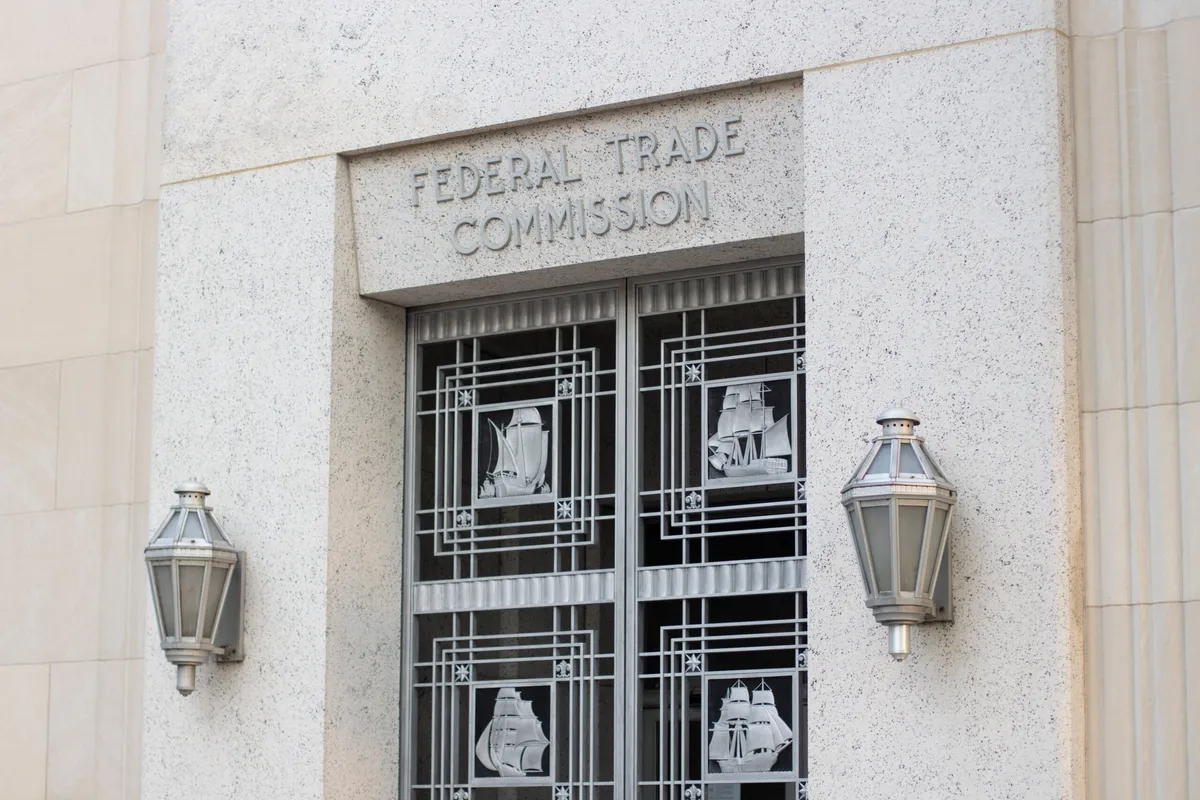
In a significant move that could reshape the landscape of telehealth services, the Federal Trade Commission (FTC) has filed a lawsuit against Hims & Hers Health Inc., a prominent player in the online healthcare industry. The lawsuit, initiated on July 29, 2026, accuses the company of sharing sensitive user health information with major advertising platforms, notably Meta Platforms and Snap Inc., while simultaneously misleading consumers about their privacy rights and subscription terms. This case not only raises critical questions about data privacy in the digital age but also highlights the regulatory landscape facing telehealth services as they become increasingly integrated into the fabric of American healthcare.
Hims & Hers, known for providing telehealth consultations and prescriptions for conditions such as erectile dysfunction, hair loss, and mental health issues, has attracted millions of users with its promise of convenient access to healthcare. However, the FTC's allegations paint a different picture, suggesting that the company's business practices have not only compromised consumer privacy but also involved deceptive billing methods that have left many users frustrated and confused.
Allegations of Privacy Violations
The crux of the FTC's lawsuit hinges on the allegation that Hims & Hers shared confidential health information of its users without their explicit consent. According to the FTC, the company led its customers to believe that their health data would remain private, only to disclose this information to advertisers for targeted marketing purposes. This practice not only breaches consumer trust but also potentially violates federal laws designed to protect sensitive health data.
Impact of Data Sharing
In an age where data privacy is paramount, sharing health information can have dire consequences for individuals. The FTC's Director of the Bureau of Consumer Protection, Christopher Mufarrige, remarked, "The FTC will not hesitate to act on behalf of consumers deprived of their ability to choose which products they want and whether to keep their most sensitive health information private." The implications of this data sharing extend beyond mere privacy concerns; they touch on issues of discrimination, insurance coverage, and even employment prospects, as sensitive health information can be misused in various contexts.

Deceptive Billing Practices
Alongside the allegations of privacy violations, the FTC's lawsuit also highlights questionable billing practices employed by Hims & Hers. The agency claims that the company has made it challenging for users to understand the nature of their subscriptions, often leading to unexpected charges. Specifically, many customers reported being billed for prescriptions before they had a chance to consult with healthcare providers, raising serious ethical concerns about the company's approach to patient care.
Subscription Confusion
Telehealth services like Hims & Hers typically operate on a subscription model, where users pay a recurring fee for access to medical consultations and prescriptions. However, the FTC alleges that Hims & Hers failed to clearly disclose that users were entering into a subscription agreement, leaving many consumers unaware of their commitments. This lack of transparency can lead to financial strain, especially for individuals who may already be facing health challenges.
Moreover, the FTC expressed concerns that the company has made it unnecessarily difficult for subscribers to cancel their memberships. Reports indicate that users have struggled to terminate their subscriptions, often finding themselves charged even after attempting to cancel. This practice not only violates consumer protection laws but can also foster a sense of mistrust towards telehealth services as a whole.

The Broader Implications for Telehealth
The lawsuit against Hims & Hers comes at a time when telehealth services are experiencing unprecedented growth. The COVID-19 pandemic accelerated the adoption of virtual healthcare, as patients sought safe alternatives to in-person visits. However, with this rapid expansion comes the need for robust regulatory oversight to ensure that companies prioritize consumer rights and data privacy.
Regulatory Landscape
Telehealth companies are subject to a complex web of regulations at both the federal and state levels. The FTC's actions signal a growing recognition of the importance of enforcing consumer protection laws in the digital health arena. As telehealth becomes an integral part of healthcare delivery, regulatory bodies are likely to increase scrutiny of business practices that could jeopardize patient trust.
- Data Privacy: Companies must adhere to strict guidelines regarding the handling of sensitive health information.
- Transparency: Clear communication about subscription terms and cancellation policies is essential for building trust.
- Consumer Rights: Patients should have the ability to control their health data and make informed decisions regarding their care.

Key Takeaways
- The FTC has filed a lawsuit against Hims & Hers for allegedly sharing sensitive health data with advertisers.
- Consumers have reported challenges in understanding subscription terms and difficulties in canceling memberships.
- The case underscores the need for increased regulatory oversight in the telehealth sector.
- Data privacy and consumer rights are critical components of the ongoing telehealth conversation.
Frequently Asked Questions
What does the FTC's lawsuit mean for consumers?
The FTC's lawsuit against Hims & Hers could lead to significant changes in how telehealth companies operate. If the court finds in favor of the FTC, it may set a precedent that enforces stricter regulations on data privacy and consumer protection in the telehealth industry. This could empower consumers to better understand their rights and have more control over their health information.
How can consumers protect their health data when using telehealth services?
Consumers should be vigilant when using telehealth services by carefully reviewing privacy policies and terms of service before signing up. It's essential to understand how health data will be used and shared. Additionally, users should keep records of all communications with telehealth providers and consider monitoring their financial statements for any unexpected charges.
What should users do if they encounter difficulties cancelling their subscriptions?
If users face challenges when attempting to cancel their subscriptions, they should document all interactions with the company and escalate their concerns to consumer protection agencies or advocacy groups. Filing a complaint with the Better Business Bureau or contacting the FTC directly can also be effective ways to address issues related to deceptive practices.
Will Hims & Hers be required to change its business practices?
The outcome of the lawsuit will ultimately determine whether Hims & Hers will be required to change its business practices. If the court rules in favor of the FTC, the company may need to implement new protocols regarding data privacy, transparency in subscription practices, and consumer rights. Such changes could help restore consumer trust and set a new standard for the telehealth industry.
Comments
Popular in Health Insurance
- Humana's Medicare Advantage Growth and Strategic Developments: Q2 2026 Insights
- FDA Calls for Enhanced Oversight in Infant Formula Supply Chain
- Abbott Laboratories Faces Cybersecurity Challenges: What It Means for Healthcare
- Surge in Cyclosporiasis Cases in Michigan: A Deep Dive into the Outbreak
- Liberty Mutual Targets New York Clinics in $1.5M No-Fault Billing Scheme Lawsuit