GEICO Takes Legal Action Over $8.8 Million No-Fault Billing Scheme
GEICO has filed a lawsuit against three New York pharmacies for allegedly exploiting the No-Fault insurance system to generate $8.8 million in fraudulent claims. This case highlights the complexities and potential abuses within auto insurance billing practices.

In a significant legal move, GEICO has initiated a lawsuit against three New York pharmacies, alleging that they orchestrated an elaborate scheme to defraud the insurer out of $8.8 million through the state's No-Fault insurance system. The suit, filed on July 29, 2026, in the Eastern District of New York, claims that these pharmacies misrepresented the medical necessity of certain topical pain products, leveraging their access to the No-Fault system to bill for exorbitantly priced medications that they procured at a fraction of the cost. The complexities of this case expose the potential vulnerabilities within the No-Fault insurance framework, raising concerns not only about financial fraud but also about patient safety.
The lawsuit specifically targets Redfern Drugs, Castle Hill Drugs, and Frederick Community Pharmacy, along with their owners, termed in the complaint as pivotal players in this alleged scheme. As the case unfolds, it serves as a crucial reminder of the ongoing challenges insurers face in combating fraudulent practices and the potential repercussions for consumers navigating the healthcare landscape.

Understanding New York's No-Fault Insurance System
New York's No-Fault insurance system mandates that auto insurers cover medical expenses for policyholders injured in accidents, up to a limit of $50,000, regardless of fault. This system was designed to expedite payments for medical care and minimize litigation over minor claims. However, the provision allowing patients to assign their rights to medical providers has inadvertently created opportunities for exploitation.
When patients are injured, they can assign their No-Fault benefits to healthcare providers, allowing those providers to bill insurance companies directly. While this can simplify access to care, it also opens the door for potential abuses, as seen in GEICO's allegations. The insurer claims that the three pharmacies involved exploited this assignment right to submit inflated claims for topical pain medications that were deemed medically unnecessary.
The Allegations Against the Pharmacies
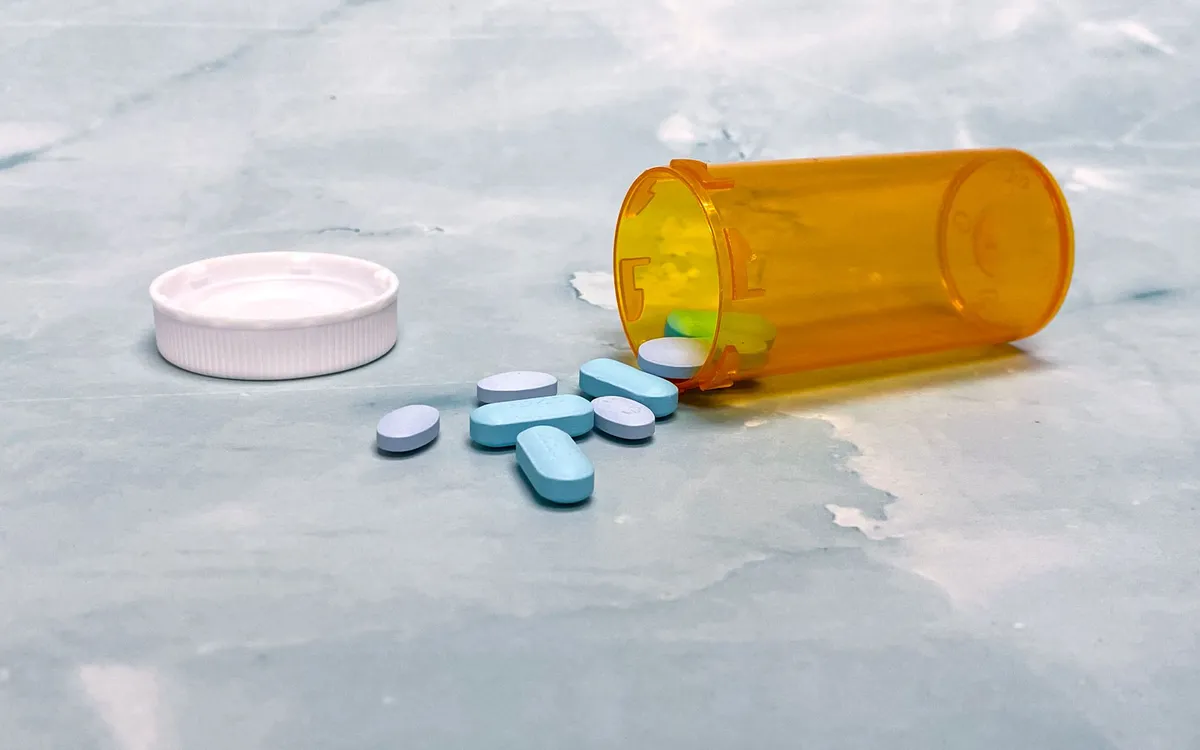
According to GEICO’s complaint, the pharmacies allegedly acquired topical pain relief products, such as Diclofenac Sodium Gel and Lidocaine Ointment, at negligible costs—approximately $17 and $4.25 per tube, respectively. However, they billed GEICO for these products at exorbitant rates, ranging from $1,528.72 to $2,369.00 per tube. This pricing disparity raises significant red flags about the legitimacy of the claims being submitted.
- Diclofenac Sodium Gel 3%: Cost to pharmacies — $17; billed to GEICO — up to $2,369.00.
- Lidocaine 5% Ointment: Cost to pharmacies — $4.25; billed to GEICO — between $1,528.72 and $1,919.65.
Moreover, GEICO asserts that over 75% of the claims submitted by these pharmacies were for these topical products, indicating a pattern of behavior aimed at inflating claims under the No-Fault insurance system. The insurer contends that not only were these products overpriced, but they were also medically unnecessary, as there are effective over-the-counter alternatives available that do not fall under No-Fault coverage.
Legal and Ethical Implications
The lawsuit also highlights serious ethical concerns regarding patient safety. GEICO alleges that patients were sometimes prescribed both oral and topical anti-inflammatories simultaneously, a practice referred to as “therapeutic duplication.” This practice can increase the risk of adverse side effects, particularly given that diclofenac carries a stringent FDA “Black Box Warning,” indicating potential severe cardiovascular and gastrointestinal risks.
In addition to safety implications, the legal framework surrounding this case brings into focus the mechanisms of fraud within the insurance domain. GEICO claims the pharmacies misrepresented the medical necessity of the drugs and that prescriptions were generated through collusion with unlicensed clinic operators. Such practices not only violate ethical standards but also breach New York Public Health Law Section 238-a, which prohibits referrals by practitioners with financial ties to the pharmacies.
GEICO's Legal Strategy and Objectives
In its legal action, GEICO is not merely seeking to recover the funds it has already disbursed but also aims to challenge the legitimacy of the pending claims, which total approximately $6.9 million. The insurer has filed claims for declaratory judgment, multiple counts under the Racketeer Influenced and Corrupt Organizations Act (RICO), common law fraud, unjust enrichment, and violations of public health law. Such a multifaceted approach underscores the seriousness of the allegations and GEICO's determination to hold the pharmacies accountable.
The outcome of this case could have far-reaching effects on how No-Fault claims are processed and the oversight of pharmacy practices within New York. Should GEICO prevail, it could pave the way for stricter regulations and oversight measures aimed at mitigating fraud within the No-Fault system.
Key Takeaways
- GEICO is suing three New York pharmacies for allegedly defrauding the insurer of $8.8 million.
- The pharmacies are accused of exploiting the No-Fault insurance system by billing for medically unnecessary topical pain products.
- Patient safety concerns arise from alleged practices of therapeutic duplication of prescriptions.
- GEICO seeks to recover funds and challenge the legitimacy of pending claims totaling $6.9 million.
- The case could lead to changes in regulations governing No-Fault insurance billing practices.
Frequently Asked Questions
What is the No-Fault insurance system in New York?
The No-Fault insurance system in New York allows drivers to receive medical benefits for injuries sustained in car accidents without needing to establish fault. This system streamlines the claim process, enabling quicker access to medical care. However, it also creates opportunities for fraudulent claims, as providers can bill insurers directly for services rendered to patients who assign their No-Fault benefits.
How does GEICO's lawsuit impact consumers?
While the lawsuit primarily targets the pharmacies, its implications could resonate with consumers. If GEICO succeeds, it may lead to stricter controls on No-Fault billing practices. This could enhance the integrity of the system and protect consumers from inflated charges and unnecessary treatments. Conversely, if fraud persists, it may lead to increased insurance premiums for all policyholders as insurers seek to recover losses.
What are the potential consequences for the pharmacies involved?
If found guilty of the allegations brought forth by GEICO, the pharmacies could face severe financial penalties, including the repayment of the claimed amounts and additional punitive damages. Beyond financial repercussions, they may also lose their licenses to operate, face criminal charges for fraud, and suffer reputational damage that could hinder their business operations.
Are there legal protections for patients in cases of prescription fraud?
Yes, patients have legal protections against prescription fraud, including the right to seek redress if they are harmed by unnecessary treatments. Additionally, state laws, such as New York Public Health Law Section 238-a, are in place to prevent unethical practices among healthcare providers and pharmacies. Patients should remain vigilant and report any suspicious billing practices to their insurance providers or relevant authorities.
Comments
Popular in Health Insurance
- Humana's Medicare Advantage Growth and Strategic Developments: Q2 2026 Insights
- FDA Calls for Enhanced Oversight in Infant Formula Supply Chain
- Abbott Laboratories Faces Cybersecurity Challenges: What It Means for Healthcare
- Surge in Cyclosporiasis Cases in Michigan: A Deep Dive into the Outbreak
- Liberty Mutual Targets New York Clinics in $1.5M No-Fault Billing Scheme Lawsuit