Amgen Cyber Incident: A Deep Dive into Patient Data Theft
Amgen recently reported a significant cyber incident involving the theft of patient data and proprietary information. This article explores the implications of the breach, the ongoing investigation, and what it means for the healthcare sector.

In an alarming revelation, Amgen Inc., a leading biotech firm based in Thousand Oaks, California, has reported a significant cyber incident that has resulted in the theft of sensitive patient data and proprietary information stored in its cloud servers. Announced in a filing on July 31, 2026, this breach marks yet another instance of a major healthcare organization falling victim to cybercrime, a trend that is becoming increasingly prevalent in today’s digital landscape. As the company grapples with the implications of this breach, questions arise about the security of patient information and the potential ramifications for the healthcare sector.
The company stated that it detected unauthorized access to its data on third-party cloud servers in July. Initial assessments indicate that patient protected health information (PHI) has been exfiltrated from this cloud environment. Although Amgen has emphasized that it does not anticipate a material impact on its financial results or its ability to meet patient needs, the sheer volume of files affected and the nature of the compromised information underscore the seriousness of the breach.

Understanding the Breach: What Happened?
The breach was identified during routine security monitoring, which is crucial for organizations handling sensitive information. Amgen has not disclosed the specific nature of the unauthorized access but has confirmed that some patient data—potentially including names, contact information, and health records—was compromised. The company has initiated an investigation to ascertain the extent of the data theft and is working with cybersecurity experts to enhance its security protocols.
In its filing, Amgen stated, “To date, the company has not identified any impact to its products, manufacturing operations, or financial reporting systems.” This suggests that while the breach poses significant risks to patient privacy, it has not yet disrupted the company’s operational capabilities. However, the investigation is ongoing, and the findings could reveal deeper vulnerabilities within the organization’s cybersecurity framework.
The Broader Context: A Surge in Healthcare Cyberattacks
Amgen's incident is not an isolated event but rather part of a disturbing trend in the healthcare sector. Cyberattacks on healthcare organizations have surged in recent years, driven by the increasing value of health data on the black market. According to a report from IBM, the healthcare industry experienced the highest costs associated with data breaches in 2023, averaging $10.1 million per incident. This alarming statistic highlights the critical need for robust cybersecurity measures and regulatory compliance within the healthcare sector.
In 2023 alone, several high-profile healthcare companies faced similar breaches. For instance, Stryker Corp., a medical technology company, experienced a cyberattack that disrupted its operations. Following this, Intuitive Surgical Inc., known for its surgical tools and systems, also reported a cybersecurity incident. Similarly, Novo Nordisk disclosed unauthorized access to its IT systems, raising concerns about the overall security of patient data across the industry.
The Implications for Patients and Healthcare Providers
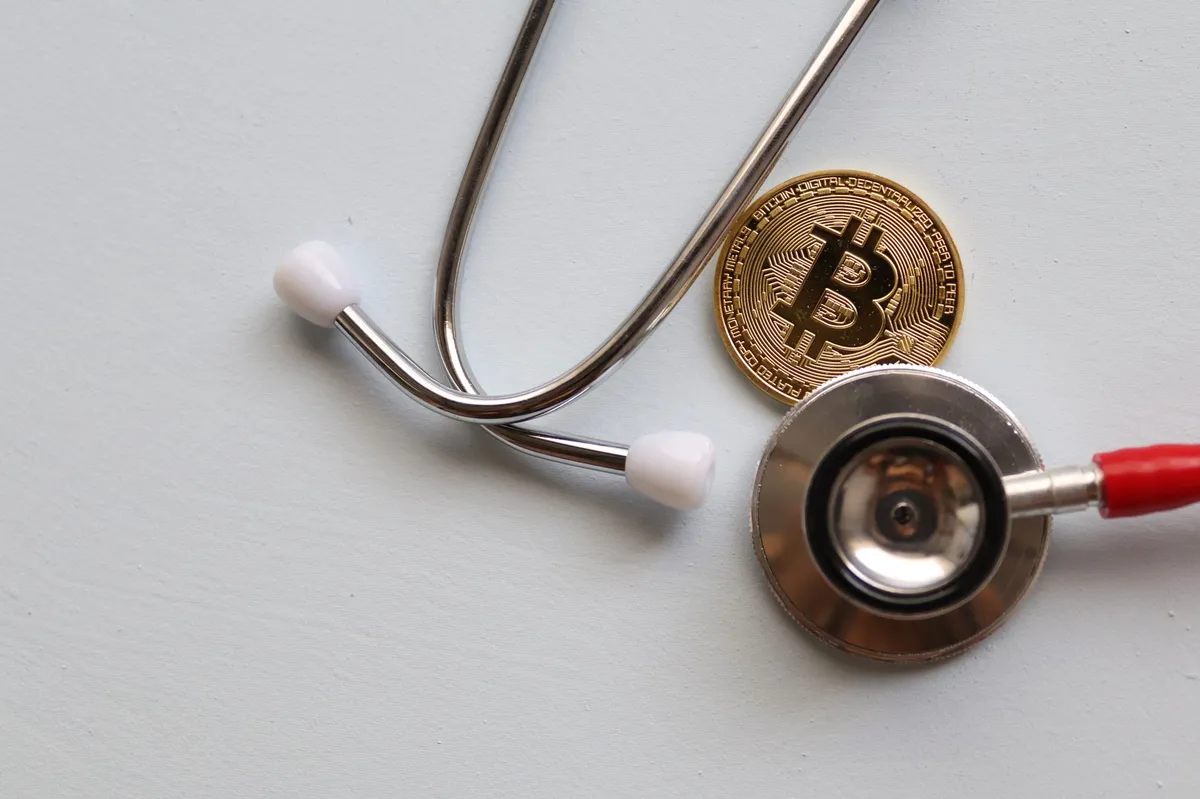
The theft of patient information can have far-reaching consequences, not only for the affected individuals but also for healthcare providers and organizations. When sensitive data is compromised, patients may face identity theft, fraud, and other malicious activities that exploit their personal information. As a result, healthcare organizations must prioritize the protection of patient data to maintain trust and confidence among their patients.
Moreover, breaches like Amgen’s can lead to regulatory scrutiny and potential legal ramifications. Healthcare organizations are required to comply with the Health Insurance Portability and Accountability Act (HIPAA), which mandates strict guidelines for the handling and protection of patient health information. Failure to comply with these regulations can result in hefty fines and reputational damage.
Investor Concerns and Market Impact
Amgen’s cyber incident comes at a challenging time for the company, which is already facing scrutiny over its drug Tavneos, intended for treating a rare autoimmune condition. Recently, a major journal retracted the study that supported Tavneos’ approval, prompting regulatory bodies in the U.S. and Europe to consider its removal from the market. Additionally, Amgen is dealing with declining sales of its older medications due to patent expirations, further complicating its financial outlook.
In light of these challenges, investors are closely monitoring Amgen's pipeline products, particularly the weight-loss medication MariTide. Early evidence suggests that MariTide may not be as competitive as existing treatments from other pharmaceutical giants like Eli Lilly & Co. and Novo Nordisk A/S. As such, the combination of a data breach and product performance concerns could significantly impact investor sentiment and stock performance.
- Increased Regulatory Scrutiny: As cyber incidents become more common, regulatory bodies are likely to tighten compliance requirements, making it more challenging for healthcare organizations to navigate the legal landscape.
- Patient Trust at Risk: Data breaches can erode patient trust, leading to reluctance in sharing information necessary for effective healthcare delivery.
- Financial Implications: Organizations may face hefty fines and legal costs associated with breach investigations, further straining their financial resources.
Key Takeaways
- Amgen reported a cyber incident involving the theft of patient data and proprietary information.
- The healthcare sector is experiencing a surge in cyberattacks, with significant implications for patient privacy and organizational trust.
- Regulatory compliance is critical as breaches can lead to substantial fines and reputational damage.
- Investors are closely watching Amgen amid concerns about its product pipeline and market competitiveness.
Frequently Asked Questions
What types of data were compromised in the Amgen breach?
While Amgen has not disclosed the specific details of the compromised data, it has confirmed that patient protected health information (PHI) was involved. This could include sensitive information such as names, contact details, and health records. The potential for such data being misused highlights the importance of robust cybersecurity measures.
How are healthcare organizations addressing cybersecurity threats?
In response to the increasing frequency of cyberattacks, healthcare organizations are implementing a variety of cybersecurity measures. These may include investing in advanced threat detection technologies, conducting regular security audits, and enhancing employee training on data protection protocols. Additionally, many organizations are developing incident response plans to ensure quick and effective action in the event of a breach.
What legal ramifications can a company face after a data breach?
Following a data breach, companies may face significant legal consequences, including regulatory investigations and potential fines for non-compliance with laws like HIPAA. Affected individuals may also file lawsuits seeking compensation for damages resulting from the breach, which can lead to costly legal battles and settlements for the company.
Comments
Popular in Health Insurance
- Humana's Medicare Advantage Growth and Strategic Developments: Q2 2026 Insights
- FDA Calls for Enhanced Oversight in Infant Formula Supply Chain
- Abbott Laboratories Faces Cybersecurity Challenges: What It Means for Healthcare
- Surge in Cyclosporiasis Cases in Michigan: A Deep Dive into the Outbreak
- Liberty Mutual Targets New York Clinics in $1.5M No-Fault Billing Scheme Lawsuit