Taco Bell and Taylor Farms Face Legal Consequences from Cyclospora Outbreak
A recent Cyclospora outbreak linked to contaminated lettuce has resulted in multiple lawsuits against Taco Bell and Taylor Farms. The lawsuits allege negligence and seek accountability for the illnesses and fatalities caused by the outbreak.
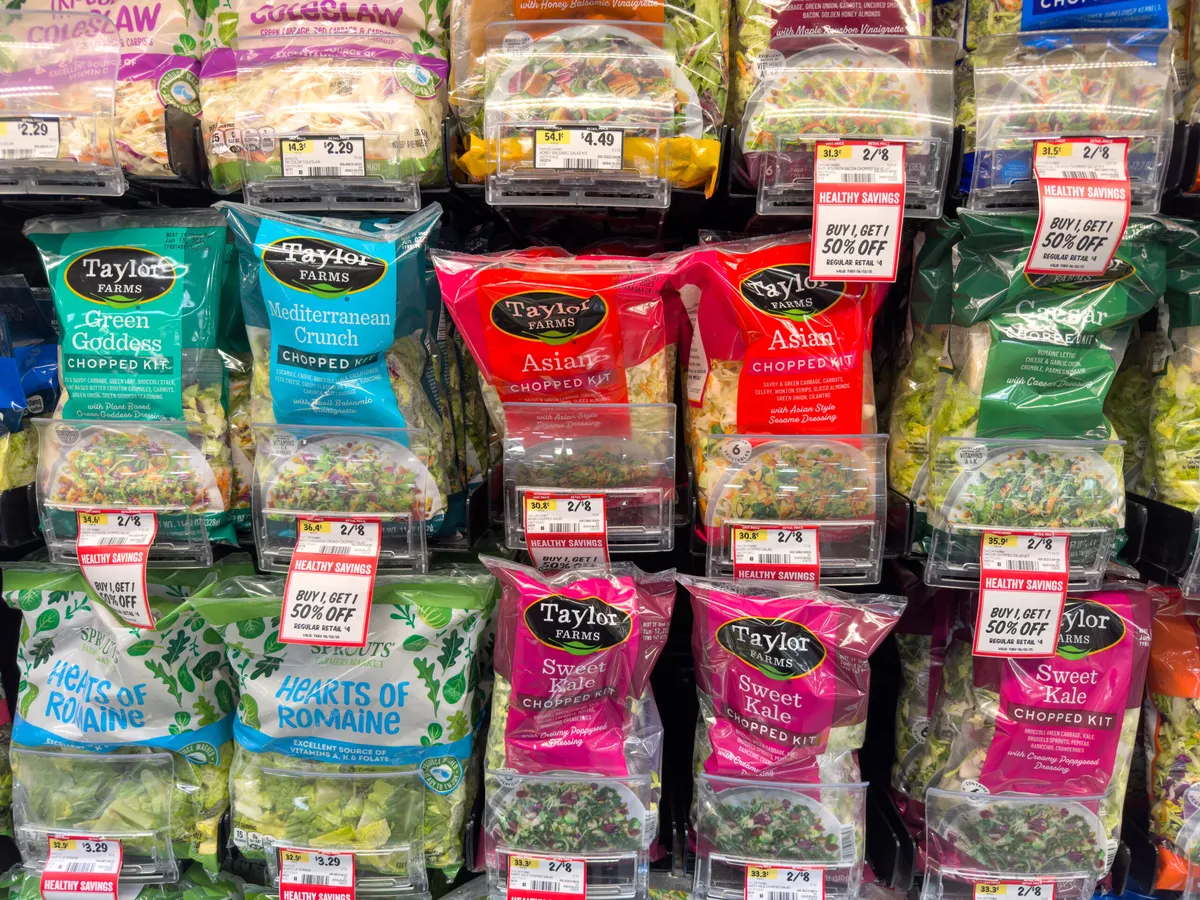
The food industry is no stranger to health crises, but the recent Cyclospora outbreak linked to Taco Bell and Taylor Farms raises significant concerns about food safety practices and corporate accountability. As public health authorities report over 10,000 confirmed cases of Cyclospora infection across the United States, lawsuits are emerging that hold these companies accountable for the negligence that allegedly led to illness and even death. Consumers are left grappling with the ramifications, both physically and financially, as these class-action lawsuits unfold.
At the heart of the matter is the iceberg lettuce supplied by Taylor Farms to Taco Bell, which has been identified as the source of the contamination. The outbreak, which began in early May, has resulted in serious health issues for thousands and has prompted calls for greater scrutiny of food safety practices in the industry. The legal actions taken against these companies highlight the critical intersection of consumer safety, corporate responsibility, and the legal frameworks that govern foodborne illness claims.

The Legal Landscape: Class-Action Suits Explained
Class-action lawsuits are legal actions filed by a group of people who have suffered similar harm due to the same defendant's actions. In the case of the Taco Bell and Taylor Farms Cyclospora outbreak, multiple class-action suits have been initiated in federal and state courts. These lawsuits not only seek compensation for affected individuals but also aim to hold the companies accountable for their alleged negligence in food safety practices.
Key Allegations Against Taco Bell and Taylor Farms
The lead plaintiffs in these lawsuits, including individuals from states as diverse as Florida, West Virginia, and Kentucky, claim that Taco Bell and Taylor Farms knowingly sold contaminated products without adequately warning consumers. Specifically, one complaint filed by Michael Giles alleges that he suffered significant health issues after consuming Taco Bell products containing the contaminated lettuce. Symptoms reported include severe stomach pains, diarrhea, and fatigue—common manifestations of Cyclospora infection.
Another lawsuit, brought forth by West Virginia resident Lawrence Null, notes that the removal of the lettuce from stores is indicative of its unfitness for sale, raising questions about the companies' knowledge of the contamination risks. The lawsuits argue that such negligence is not an isolated incident; Taylor Farms has a troubling history of foodborne illness outbreaks linked to its products. This history has led many to wonder whether the company had adequate safety measures in place to prevent such occurrences.

The Health Impact: Understanding Cyclospora
Cyclospora cayetanensis is a microscopic parasite responsible for causing cyclospora infection, which can lead to severe gastrointestinal distress. The CDC reports that since the outbreak began, there have been over 10,468 confirmed cases of cyclospora in 47 states, with the potential for many more unreported cases. Symptoms typically include:
- Severe abdominal pain
- Diarrhea
- Fatigue
- Dehydration
This parasite is often transmitted through contaminated food and water, usually linked to fecal matter. While cyclospora infections are less common than other foodborne illnesses like salmonella or E. coli, they have been increasing in frequency over the past decade. This trend underscores the pressing need for enhanced food safety protocols and vigilant monitoring of produce supply chains.

The Regulatory Environment: What Happens Next?
As the lawsuits progress, both Taco Bell and Taylor Farms will have to navigate a complex regulatory and legal environment. Food safety regulations in the United States are governed by the FDA and USDA, which set standards for food production and handling. Companies are expected to adhere to these regulations to ensure consumer safety.
Potential Outcomes of the Lawsuits
The outcomes of these lawsuits could have significant implications for the companies involved and the food industry at large. If the plaintiffs succeed, they may receive monetary compensation for their medical bills, lost wages, and pain and suffering. More importantly, a ruling against the companies could lead to stricter regulations and oversight concerning food safety practices, potentially resulting in more rigorous standards across the industry.
Furthermore, the legal battles may prompt Taco Bell and Taylor Farms to reevaluate their supply chain practices and implement more stringent health and safety measures to prevent future outbreaks. Such changes could ultimately enhance consumer confidence in the food supply, which has been shaken by this incident.
Consumer Actions: What Should You Do?
For consumers affected by the outbreak or concerned about food safety, there are several actions you can take:
- Stay Informed: Keep track of news related to the outbreak and any updates from health authorities regarding contaminated products.
- Seek Medical Attention: If you have experienced symptoms consistent with cyclospora infection after consuming products from Taco Bell or Taylor Farms, consult a healthcare provider.
- Document Your Experience: Keep records of any medical visits, symptoms, and product purchases, as this information may be important in the event of legal actions.
Additionally, consumers should consider reporting any suspected cases of foodborne illness to local health authorities to help track and mitigate future outbreaks.

Key Takeaways
- Multiple class-action lawsuits have been filed against Taco Bell and Taylor Farms due to a Cyclospora outbreak.
- The outbreak has resulted in over 10,468 confirmed cases of illness across the U.S.
- Consumers are encouraged to stay informed and seek medical attention if they experience symptoms.
Frequently Asked Questions
What is Cyclospora, and how is it transmitted?
Cyclospora is a microscopic parasite that can cause gastrointestinal illness when ingested. It is typically transmitted through contaminated food or water, often linked to fecal matter. Symptoms of cyclospora infection can include severe abdominal pain, diarrhea, and fatigue. The CDC has noted a rise in cyclospora infections over the past decade, especially during the warmer months when fresh produce is commonly consumed.
What should I do if I suspect I have a foodborne illness?
If you suspect you have a foodborne illness, it is crucial to seek medical attention promptly. A healthcare provider can conduct tests to confirm the infection and provide appropriate treatment. Additionally, documenting your symptoms and any related product purchases can be helpful if you choose to pursue legal action later.
How can I protect myself from foodborne illnesses in the future?
To minimize the risk of foodborne illnesses, always wash your hands before handling food, wash fresh produce thoroughly, and stay informed about food recalls. Being vigilant about food safety can help protect your health and the health of your family.
Comments
Cigna's Strategic Shift: Targeting Mid-Market Employers in Northern California
Cigna Healthcare has appointed Luke Cirkovic as general manager for Northern California, marking a strategic move to strengthen its focus on mid-market employers. This article explores the implications of this shift for brokers and employers in the region.
Related articles


Popular in Health Insurance
- Humana's Medicare Advantage Growth and Strategic Developments: Q2 2026 Insights
- FDA Calls for Enhanced Oversight in Infant Formula Supply Chain
- Abbott Laboratories Faces Cybersecurity Challenges: What It Means for Healthcare
- Surge in Cyclosporiasis Cases in Michigan: A Deep Dive into the Outbreak
- Liberty Mutual Targets New York Clinics in $1.5M No-Fault Billing Scheme Lawsuit