Rising Temperatures: The Southwest Faces an Upcoming Heat Wave
As the Southwest braces for a significant heat wave, temperatures are set to soar, impacting millions. Learn about the implications and safety measures.
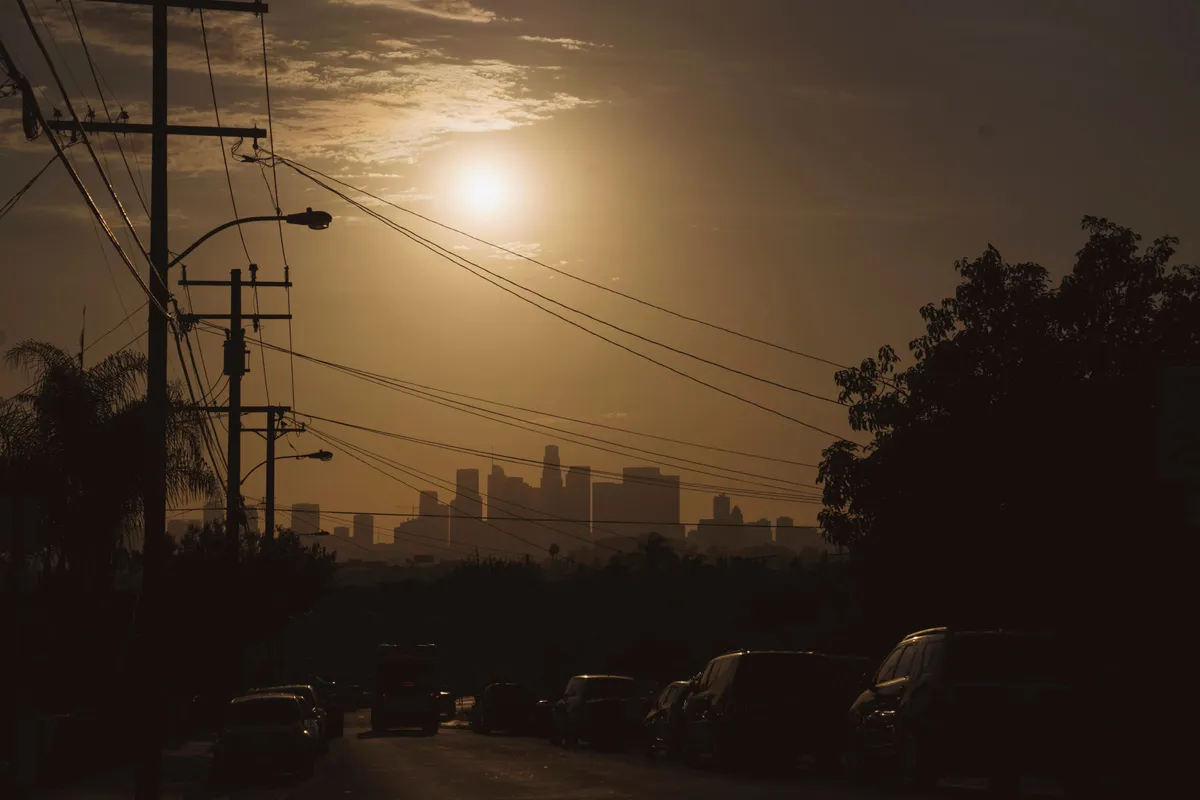
As summer reaches its peak, residents of the Southwestern United States are gearing up for an extreme heat wave that promises to deliver some of the hottest temperatures of the year. With forecasts indicating scorching highs approaching 116°F (47°C) in cities like Palm Springs and Phoenix, this weather event not only poses a risk to comfort but also to health and safety. The National Weather Service has issued heat advisories across Southern California, including Los Angeles and Burbank, signaling a serious warning for those living in the affected areas.
In Los Angeles, temperatures are expected to peak at around 87°F on Thursday, while nearby Burbank could reach 92°F. This rise in temperature is part of a broader trend that is affecting not just California, but also many parts of the Southwest, where temperatures are projected to exceed seasonal norms. As this heat wave intensifies, it raises important questions about preparedness, public safety, and the implications for energy consumption and infrastructure.

Understanding the Heat Wave Forecast
The upcoming heat wave is not just a local phenomenon but part of a larger pattern affecting the entire southwestern region of the United States. According to commercial forecasters at the Commodity Weather Group, temperatures across the Rocky Mountains and into Southern California are expected to run between 3°F to 5°F above normal. This heat wave is anticipated to persist, with warnings extending from July 14 to 20, potentially impacting areas as far east as Florida.
Key Weather Conditions
- Extreme Heat Advisory: Issued for Southern California cities including Los Angeles and Burbank.
- High Temperatures: Expected to reach 116°F in cities like Palm Springs and Phoenix.
- Increased Risk of Heat-Related Illness: Vulnerable populations include the elderly, children, and those with preexisting health conditions.
- Energy Demand Spike: Anticipated increase in electricity demand due to air conditioning usage.
These conditions are exacerbated by climate change, which has made extreme weather events more frequent and severe. As the Climate Prediction Center noted, there is a significant chance that many areas will experience above-normal temperatures, leading to various health and safety challenges.
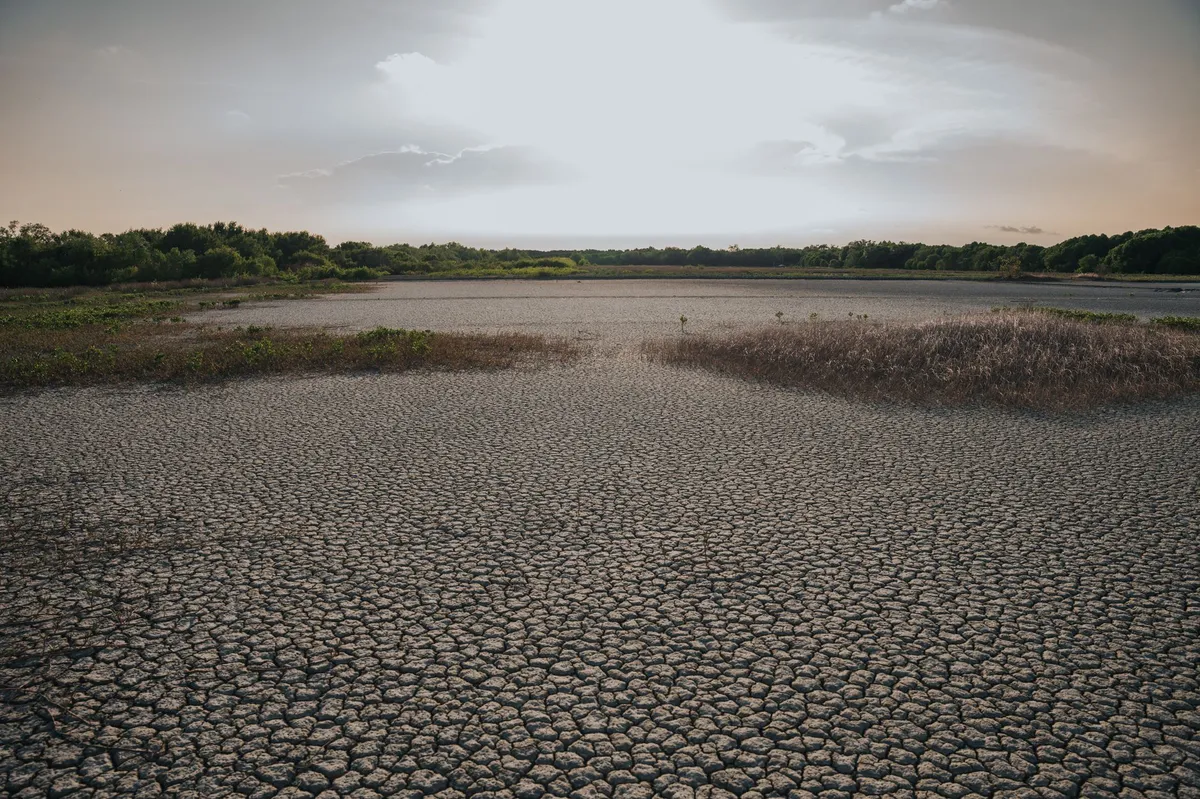
Health Implications of Extreme Heat
High temperatures can lead to a variety of health issues, particularly for vulnerable populations. Heat exhaustion and heat stroke are two of the most serious conditions that can arise when the body overheats. Symptoms of heat exhaustion include heavy sweating, weakness, dizziness, and nausea, while heat stroke can cause a high body temperature, confusion, and even loss of consciousness. Public health officials are urging residents to take precautions, especially during the hottest parts of the day.
Precautionary Measures
- Stay Hydrated: Drink plenty of water even if you don’t feel thirsty.
- Avoid Outdoor Activities: Limit outdoor exposure during peak heat hours, typically from 10 AM to 4 PM.
- Check on Vulnerable Neighbors: Ensure that elderly or disabled neighbors are safe and have adequate cooling.
- Use Fans and Air Conditioning: Keep your living space cool and ventilated.
Local governments and health departments are mobilizing resources to address the anticipated public health crisis, including cooling centers and outreach programs to support those at risk.
Energy Consumption and Infrastructure Strain
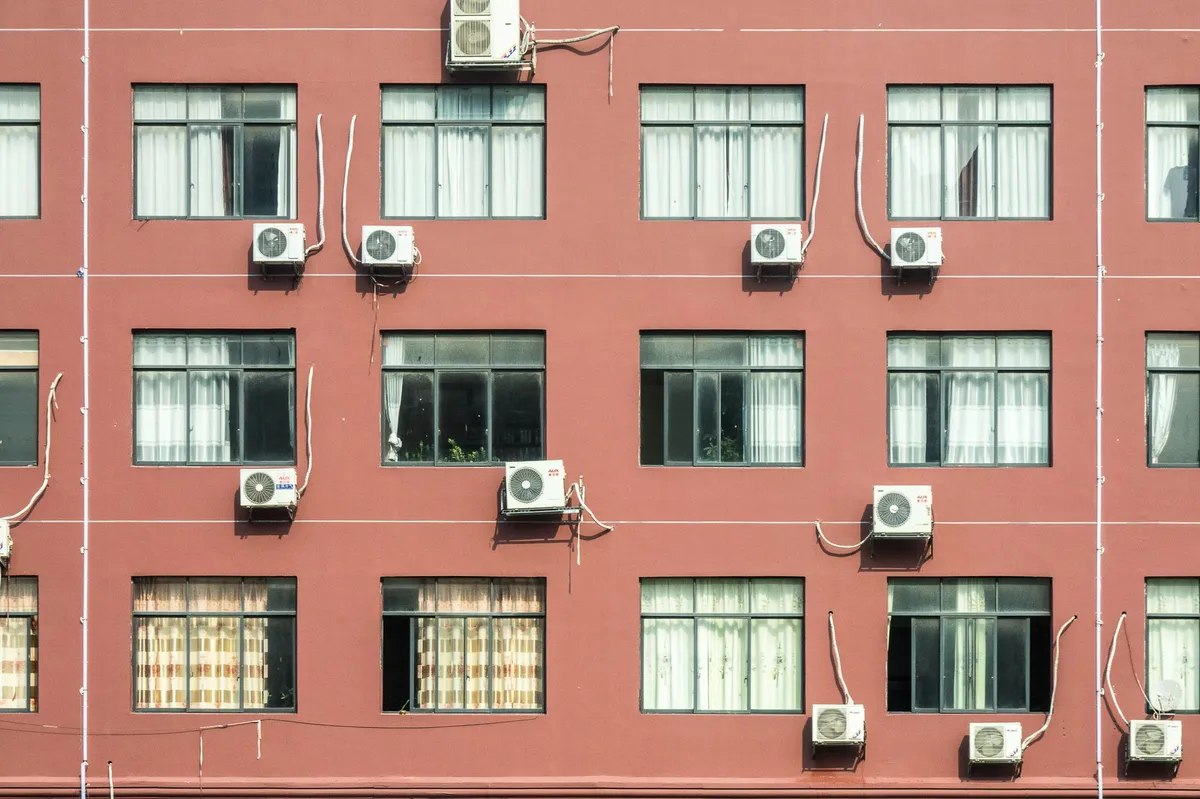
As the heat wave sets in, energy consumption is expected to surge due to heavy reliance on air conditioning. In Texas, for instance, the Electric Reliability Council of Texas (ERCOT) is preparing for high demand, having already faced challenges in previous heat waves. The increased load on the power grid raises concerns about potential outages and the overall reliability of the energy supply.
Energy Conservation Tips
- Set Thermostats Wisely: Keep thermostats at higher temperatures when home and consider using programmable settings.
- Reduce Energy Use: Turn off unnecessary appliances and lights.
- Utilize Natural Ventilation: Open windows in the early morning and late evening to cool homes.
Energy companies and government agencies are urging consumers to conserve energy to avoid overwhelming the grid. Failure to do so could lead to rolling blackouts, which further complicate the challenges presented by extreme heat.
Looking Ahead: Climate Trends and Preparedness
This heat wave serves as a reminder of the growing impact of climate change on weather patterns across the United States. The increasing frequency and intensity of heat waves pose significant challenges for public health, energy infrastructure, and community preparedness.
Long-term Strategies
- Enhancing Infrastructure: Upgrading power grids and water systems to handle extreme weather events.
- Community Engagement: Educating residents on heat safety and emergency preparedness.
- Legislation for Climate Action: Advocating for policies that address climate change and promote sustainability.
As we face this imminent heat wave, it is critical for individuals, communities, and policymakers to take proactive steps to mitigate risks and safeguard health and safety. By understanding the implications of extreme heat and preparing accordingly, we can better navigate the challenges that lie ahead.
Key Takeaways
- The Southwest is facing an extreme heat wave, with temperatures reaching 116°F in some areas.
- Health risks include heat exhaustion and heat stroke; precautions are essential.
- Energy demand will likely surge, stressing power grids and infrastructure.
- Long-term strategies for climate resilience are necessary to address future heat waves.
Frequently Asked Questions
What should I do if I experience heat exhaustion?
If you suspect you are experiencing heat exhaustion, it's vital to move to a cooler environment, ideally air-conditioned. Drink cool fluids, preferably water or electrolyte-replenishing drinks, and rest until symptoms improve. If symptoms worsen or you experience confusion or fainting, seek medical attention immediately as this could indicate heat stroke.
How can I prepare my home for extreme heat?
Preparing your home for extreme heat can involve several strategies. Ensure your air conditioning unit is functioning efficiently, close blinds or curtains during the day to block out sunlight, and use fans to circulate air. Additionally, consider investing in insulation and weatherproofing to keep your home cooler. Creating a cooling area with ice packs or cold towels can also provide relief.
What are the signs of heat stroke?
Heat stroke is a serious condition that occurs when the body overheats. Signs include a high body temperature (above 103°F), altered mental state or confusion, hot and dry skin (no sweating), rapid pulse, and possible loss of consciousness. Heat stroke is a medical emergency and requires immediate action, including calling 911 and moving the person to a cooler area.
Comments
Integrity Marketing Expands into Gig Worker Health Enrollment with Stride Acquisition
Integrity Marketing Group's acquisition of Stride marks a strategic shift into gig worker health enrollment, addressing the growing need for portable benefits among independent workers.

Related articles
Popular in Health Insurance
- Humana's Medicare Advantage Growth and Strategic Developments: Q2 2026 Insights
- FDA Calls for Enhanced Oversight in Infant Formula Supply Chain
- Abbott Laboratories Faces Cybersecurity Challenges: What It Means for Healthcare
- Surge in Cyclosporiasis Cases in Michigan: A Deep Dive into the Outbreak
- Liberty Mutual Targets New York Clinics in $1.5M No-Fault Billing Scheme Lawsuit