Transforming Employee Benefits: The Journey of Mitch Davis
Mitch Davis's unconventional path to becoming an employee benefits advisor highlights the profound impact of personal experiences on professional choices. Through his work, he redefines how businesses approach employee benefits, emphasizing strategic relationships and innovative solutions in a complex landscape.

The journey of Mitch Davis, an employee benefits advisor at Gallagher, is a testament to how personal experiences can shape professional trajectories. Growing up in Carmel, Indiana, Davis's family served as a host for foster children, welcoming around 50 to 60 kids into their home until he left for college. This unique upbringing provided him with an intimate understanding of vulnerability and resilience, qualities that many insurance professionals may overlook. It was this perspective that ultimately led him to the world of employee benefits, a field he entered not by design but by the encouragement of a mentor who recognized his potential.
Initially hesitant to join the insurance industry, Davis was persuaded by the then-president of Assured Partners, who believed that his ability to connect with people could fill a pressing need in the sector. “Insurance isn’t the sexiest business,” Davis recalls, “but I think you would do well at it.” Trusting this mentor led him to an internship, and eventually, a full-time role in 2018. Since then, Davis has dedicated himself to transforming the employee benefits landscape, focusing on the people-centric aspects of benefits management.

The Heart of Employee Benefits: Understanding the People
Davis's approach to employee benefits diverges significantly from traditional methods, which often revolve around spreadsheets and premium costs. He emphasizes that benefits are not merely about reducing expenses but are fundamental to attracting and retaining talent. “Employee benefits is really the heart of how you attract and retain talent,” he asserts. This understanding is critical in a competitive job market where organizations must differentiate themselves to attract top-tier workers.
Historically, the group benefits industry has operated using what Davis describes as the “old quoting playbook.” This process often involves brokers presenting clients with a few options based solely on price, without providing the necessary context or narrative to help clients understand the implications of their choices. This lack of engagement can lead to confusion and distrust between employers and their insurance providers.
A New Approach: Engaging Conversations
To counteract this trend, Davis takes a different approach by initiating conversations around business strategy rather than merely discussing insurance options. By gathering CFOs, HR leaders, and operational decision-makers, he encourages open dialogue about organizational goals and challenges. This collaborative process allows him to gain deeper insights into the specific needs of the company, which ultimately leads to tailored solutions that align with their strategic objectives.

Tackling Rising Pharmacy Costs
As the healthcare landscape evolves, one pressing issue that keeps CFOs awake at night is the rising cost of pharmacy benefits. With specialty medications and gene therapies continuing to proliferate, the financial burden on employer-sponsored plans is escalating. For instance, GLP-1 medications, which are often prescribed for weight management and type 2 diabetes, have become a hot topic due to their high costs and increasing prevalence.
Davis points out that these rising costs necessitate proactive strategies from employers. One effective approach involves international sourcing for medications, which can reduce the price of high-cost specialty drugs by 30 to 70 percent. While this concept may initially unsettle some clients, Davis emphasizes the importance of framing it in a way that highlights the benefits for employees. By eliminating copays for those who participate in international sourcing, employers can foster goodwill and engagement rather than resentment.
Importance of Transparency with Pharmacy Benefit Managers
Another critical strategy involves addressing the opacity often associated with pharmacy benefit managers (PBMs). When pharmacy coverage is bundled with a medical plan, there is little incentive for carriers to negotiate drug prices down. Davis advocates for self-funded employers to carve out PBM contracts entirely, selecting transparent partners and insisting on regular audits. These audits are crucial for ensuring that the contractual terms are being upheld, as the language in these agreements can often be misleading, allowing PBMs to manipulate results to appear favorable.

Bridging the Gap: Cost Transparency in Healthcare
The lack of consistent pricing in healthcare is another issue that Davis highlights. For example, a knee replacement might cost $18,000 at one hospital but an astounding $80,000 at another in the same city. This discrepancy raises questions about pricing transparency, which is essential for employees who are often unaware of costs until they receive medical treatment.
Employees who have already met their deductible and out-of-pocket maximums tend to prioritize convenience over cost when scheduling procedures. Davis notes that many employees may choose the nearest hospital for treatment, unaware of the significant cost implications for their employer. This behavior can lead to higher renewal rates for employer-sponsored plans, indicating the need for better cost education and awareness among employees.
The Center of Excellence Model
To address these challenges, Davis advocates for the center of excellence (COE) model, which establishes direct contracts with high-quality providers across the country. For instance, Gallagher has partnered with Rush Hospital in Chicago, known for its excellence in orthopedic surgery. Through these arrangements, procedures that might typically cost $80,000 can be performed for a fixed rate of $22,000, with employees paying nothing out of pocket. This model not only saves employers substantial amounts in claims costs but also incentivizes employees to seek high-quality care without financial barriers.

Investing in Preventive Care
Among the innovative programs Davis champions is on-site cancer screening, a proactive approach that holds significant potential for improving employee health outcomes. Traditional primary care visits screen for only a handful of cancer types, whereas Davis's partners bring mobile units that can conduct saliva and blood tests for approximately 85 different cancers directly at the workplace.
This initiative has proven popular among employees, as cancer is a concern that resonates with nearly every family. The ability to detect cancers early can lead to significantly better outcomes, and when positive results occur, immediate guidance is provided to navigate the clinical pathway. Financially, the case for such preventive measures is compelling; catching just one case of cancer can offset the costs associated with the program, while culturally, it signals an employer's commitment to the health and well-being of its workforce.
Key Takeaways
- Mitch Davis's unique background informs his approach to employee benefits, emphasizing the importance of understanding people and their needs.
- Engaging in strategic conversations with business leaders can lead to more effective and tailored employee benefits solutions.
- Proactive strategies addressing rising pharmacy costs are essential in today's healthcare landscape.
- Transparency and auditing of PBMs can help employers manage costs effectively.
- Investing in preventive care can yield significant health benefits and cost savings for employers.
Frequently Asked Questions
What are the primary benefits of a people-centric approach to employee benefits?
A people-centric approach prioritizes the needs and experiences of employees, leading to enhanced engagement and satisfaction. By understanding the unique challenges employees face, organizations can tailor benefits that attract and retain talent, ultimately fostering a positive workplace culture. This approach also encourages open communication between management and staff, which can enhance trust and collaboration.
How can companies effectively manage rising pharmacy costs?
To manage rising pharmacy costs effectively, companies should consider strategies such as international sourcing for medications and carving out pharmacy benefit manager contracts. By negotiating directly with transparent partners and conducting regular audits, employers can gain insights into their pharmacy spending and ensure they are getting the best value for their investments. Additionally, educating employees about their options and the cost implications of their choices can lead to more informed decision-making.
What is the center of excellence model, and how does it benefit employers?
The center of excellence model establishes direct relationships between employers and high-quality healthcare providers, allowing for fixed-rate procedures that can significantly reduce costs. By directing employees to these centers for care, employers can save substantial amounts on claims while ensuring their workforce receives top-tier treatment. This model also removes financial barriers for employees, encouraging them to seek necessary care without hesitation.
Why is preventive care important in employee benefits?
Preventive care is crucial in employee benefits as it focuses on early detection and intervention, which can lead to better health outcomes and lower overall healthcare costs. Programs like on-site cancer screenings can identify potential health issues before they become severe, ultimately saving employers money on claims and improving employee well-being. Furthermore, investing in preventive care demonstrates an employer's commitment to the health of its workforce, fostering loyalty and engagement.
Comments
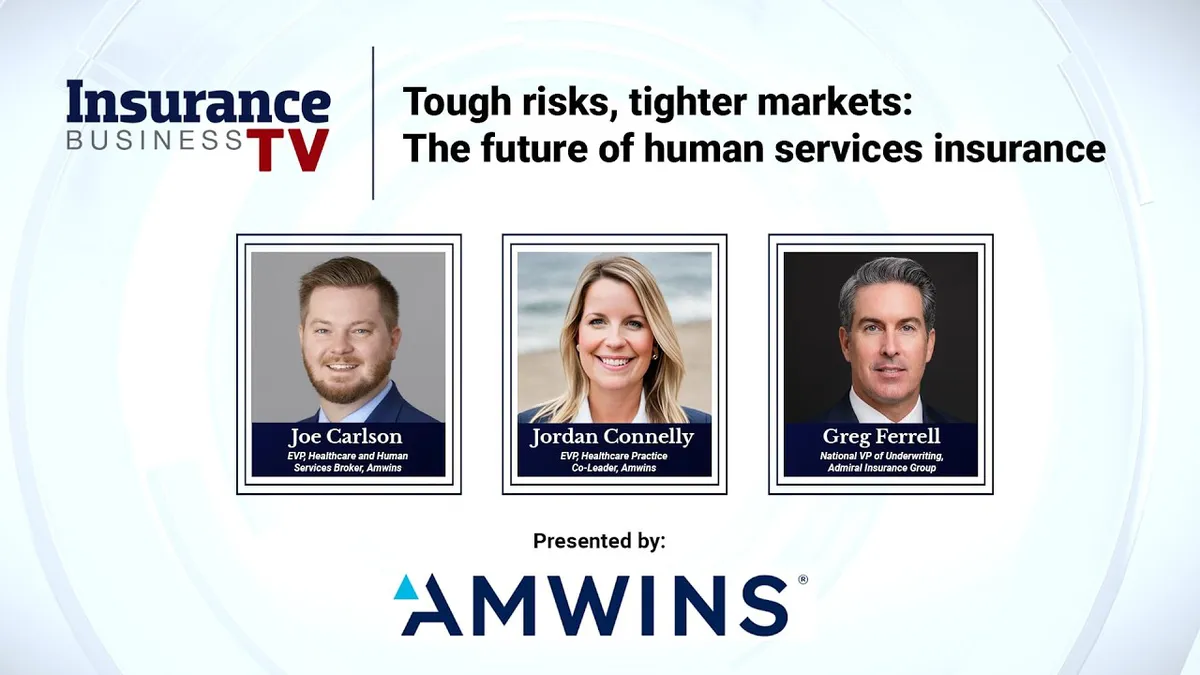
Challenges in the Human Services Insurance Market: Navigating Tough Conditions
The human services insurance market is experiencing unprecedented challenges, with many experts describing the current landscape as the toughest in decades. Understanding these conditions is crucial for stakeholders involved in the sector.
Related articles




Popular in Business Insurance
- Surging War-Risk Insurance Rates in the Strait of Hormuz: What It Means for Shipping
- Ross & Yerger Insurance Faces Class Action Over Data Breach Allegations
- Sompo Expands U.S. Workers' Compensation Portfolio with Service Insurance Acquisition
- Legal Battle Unfolds Over $1 Million Truck Crash Insurance Payout
- Howden Group's Ambitious Journey Toward IPO and Expansion