Surging War-Risk Insurance Rates in the Strait of Hormuz: What It Means for Shipping
As the fragile ceasefire between the US and Iran crumbles, war-risk insurance rates for vessels transiting the Strait of Hormuz have surged, reflecting heightened tensions and risks in the region. This article explores the implications for the shipping industry and what stakeholders can expect moving forward.
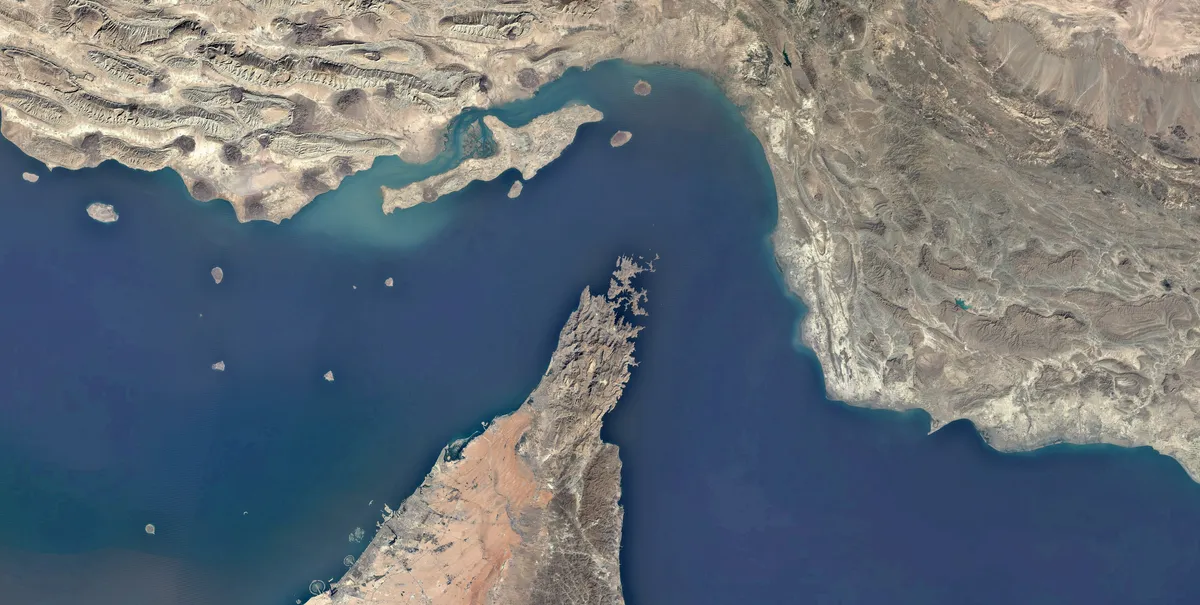
The Strait of Hormuz, a vital maritime corridor for global oil shipments, has once again become a flashpoint for geopolitical tensions, leading to a significant increase in war-risk insurance rates for vessels traversing this crucial waterway. Following the abrupt collapse of the ceasefire established by the Islamabad Memorandum of Understanding (MOU) between the United States and Iran, the maritime insurance landscape has shifted dramatically. The situation presents a complex challenge for shipping companies, insurers, and global markets alike.
In recent weeks, optimism had briefly returned to the shipping industry as both the US and Iran signaled a willingness to engage in negotiations aimed at maintaining freedom of navigation and addressing Iran’s nuclear program. However, recent hostilities, including Iranian attacks on commercial vessels and retaliatory strikes by the US, have shattered any semblance of stability, sending war-risk premiums spiraling once more.
The Collapse of the Islamabad MOU
The Islamabad MOU, signed in June 2026, was intended to provide a framework for dialogue and negotiation over critical issues impacting maritime safety and security in the Strait of Hormuz. It set a 60-day window for discussions, but the ceasefire lasted less than three weeks. The recent uptick in attacks on commercial shipping has led to fears over the safety of vessels and their crews, drastically affecting the insurance market.
According to Marcus Baker, the global head of marine at Marsh, the initial optimism surrounding the MOU led to a temporary decline in premiums. However, with the resurgence of hostilities, the insurance rates have rebounded sharply. "The current US/Iran position is clearly a concern," Baker remarked, emphasizing that without a genuine change in the risk environment, rates are unlikely to decrease significantly.
Impact on War-Risk Insurance Premiums
The volatility in the Strait of Hormuz has caused war-risk insurance premiums to fluctuate dramatically. Underwriters are now pricing insurance based on the current risk levels posed by the ongoing conflict. War-risk premiums for vessels transiting the strait currently range from **2% to 6%** of the vessel’s value, a considerable increase compared to pre-conflict rates, which were typically a fraction of a percent.
To put this into perspective, a **$100 million** oil tanker would face an illustrative war-risk premium of approximately **$6 million** for a single transit through the strait—an eye-watering figure that reflects the heightened uncertainties in the region. Even though cover is still available, the increasing costs are forcing shipowners to reconsider their routes and operational strategies.
Market Reactions and Trends
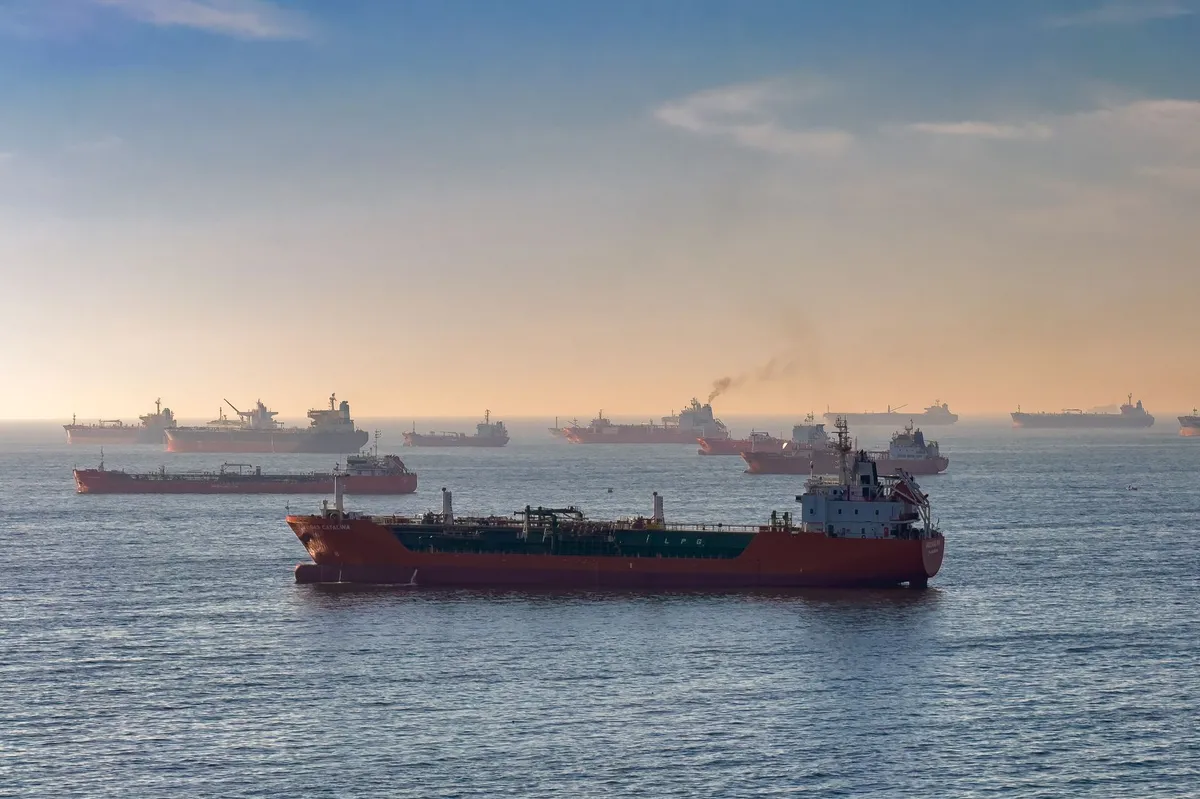
There has been a noticeable decrease in the number of requests for insurance quotations from shipowners, indicating a reluctance to commit to transits through what many perceive as a perilous area. As Neil Roberts, head of marine and aviation at the Lloyd's Market Association (LMA), pointed out, the market is facing more of a volume challenge rather than a pricing opportunity. While capacity remains available, the overall sentiment is one of caution.
- **Heightened Risk Environment:** The current geopolitical landscape poses serious threats to maritime safety.
- **Premium Volatility:** Insurance rates are fluctuating, driven by recent attacks and geopolitical developments.
- **Insurer Caution:** Underwriters are meticulously assessing each voyage on a case-by-case basis.
- **Crew Safety as Priority:** Safety concerns for crew members are the primary reason shipowners are avoiding the strait.

The Role of International Organizations
International bodies, such as the IMO (International Maritime Organization), have criticized the reckless attacks on commercial shipping and are calling for governments to ensure that war-risk premiums reflect the evolving realities of the situation. IMO Secretary-General Arsenio Dominguez emphasized the need for coordinated international efforts to stabilize the situation, urging influential governments to advocate for reasonable premiums that align with actual risks.
The ongoing disputes that the MOU failed to resolve—especially Iran's insistence on maintaining a central role in regulating passage through the strait—continue to exacerbate tensions. The international shipping community expects free navigation, but the reality is that Iran's position complicates matters significantly.
Future Outlook for Shipping and Insurance
As both Pakistan and Oman act as mediators in the ongoing crisis, the London insurance market is closely monitoring developments. Stakeholders are eager to identify any signs of a durable settlement that could lead to a reduction in war-risk premiums. However, until a lasting ceasefire is established and the geopolitical landscape stabilizes, the current volatility is expected to persist.
The shipping industry must prepare for continued fluctuations in insurance costs, which can significantly impact operational budgets and logistics planning. Companies may need to explore alternative routes or risk management strategies to mitigate the effects of increased premiums.
Key Takeaways
- War-risk insurance premiums for the Strait of Hormuz have surged due to renewed hostilities.
- The current range of premiums is between 2% and 6% of a vessel’s value, drastically higher than pre-conflict levels.
- Market sentiment is cautious, with many shipowners hesitant to transit the strait.
- The IMO and other international organizations are advocating for changes in premium assessments based on evolving risks.
- Shipping companies need to stay informed and adaptable amid ongoing geopolitical tensions.
Frequently Asked Questions
What triggers war-risk insurance premium increases?
War-risk insurance premiums typically increase in response to heightened geopolitical tensions, military conflicts, or specific incidents that pose a threat to maritime safety. In the case of the Strait of Hormuz, recent Iranian attacks on commercial vessels and subsequent military responses from the US have created a perilous environment, prompting underwriters to raise premiums significantly.
How do shipping companies manage increased insurance costs?
Shipping companies often manage increased insurance costs by reassessing their operational routes, investing in risk management strategies, and negotiating with insurers for better terms. Some may choose to avoid high-risk areas completely, while others might enhance their safety protocols to minimize risk and potentially lower their premiums.
Are there alternatives to navigating through the Strait of Hormuz?
Yes, there are alternative shipping routes that can be utilized to avoid the Strait of Hormuz, although they may be longer and more costly. For example, vessels can take the longer route around the Cape of Good Hope. However, this route adds significant transit time and fuel costs, which may not be feasible for all shipping companies.
What is the likelihood of a lasting ceasefire in the region?
The likelihood of a lasting ceasefire in the Strait of Hormuz remains uncertain, as tensions between the US and Iran are deeply rooted and complex. While diplomatic efforts are ongoing, the situation is volatile, and any resolution will likely require significant concessions from both sides. The international community continues to encourage dialogue, but until a measurable shift in the geopolitical climate occurs, risk levels will remain elevated.
Comments
Key Leadership Changes in Insurance: A Look at Recent Appointments
Recent leadership changes at five major insurance firms signal shifts in strategy and focus, particularly for USAA and QBE, as they adapt to evolving market demands and regulatory landscapes.

Related articles


Popular in Business Insurance
- Ross & Yerger Insurance Faces Class Action Over Data Breach Allegations
- Sompo Expands U.S. Workers' Compensation Portfolio with Service Insurance Acquisition
- Legal Battle Unfolds Over $1 Million Truck Crash Insurance Payout
- Howden Group's Ambitious Journey Toward IPO and Expansion
- Creative Planning Expands Its Reach with Lovell Insurance Group Acquisition