Legal Battle Unfolds Over $1 Million Truck Crash Insurance Payout
National Specialty Insurance Company petitions a federal court to distribute a $1 million payout following a tragic truck accident in Pennsylvania. The case raises questions about coverage and liability amidst multiple claims.

The tragic aftermath of a multi-fatality truck accident in Pennsylvania has sparked a legal dispute that underscores the complexities of commercial auto insurance. National Specialty Insurance Company (NSIC) has filed a petition in federal court, seeking to clarify coverage and determine how to equitably distribute a $1 million insurance payout among various claimants involved in the accident. This case illustrates the intricate interplay of insurance policies, liability claims, and legal proceedings in the wake of a catastrophic event.
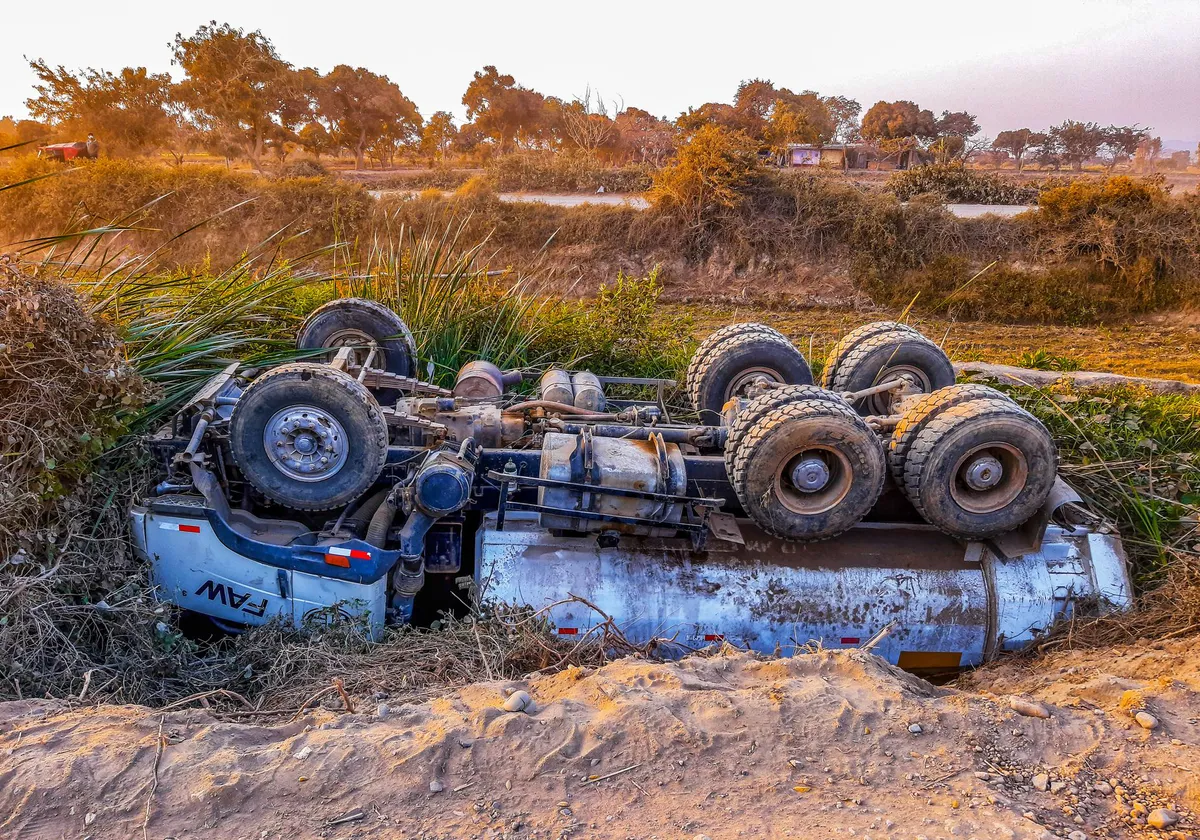
On November 10, 2025, a devastating crash occurred on State Highway 40 East in Fayette County, Pennsylvania, claiming multiple lives and potentially resulting in substantial claims for wrongful death, bodily injury, and property damage. At the center of this legal quagmire is a commercial auto policy issued to SMJ Freight LLC, which carries a combined single limit of $1 million for accidents. However, the intricacies of coverage under this policy have raised significant questions regarding who qualifies as an insured party and how the payout should be divided among the claimants.
The Legal Mechanism: Interpleader Action
NSIC's response to the situation involves an interpleader action, a legal procedure designed to resolve disputes when multiple parties claim entitlement to the same funds. By filing this complaint in the U.S. District Court for the Western District of Pennsylvania on July 10, 2026, NSIC seeks to deposit the $1 million with the court and be released from further liability regarding the distribution of these funds. Essentially, the insurer is stepping back, allowing the court to determine who is entitled to what share of the payout.
This move is particularly important in a scenario where the potential damages may exceed the policy limit. As noted in the complaint, the policy's coverage provisions are not straightforward, complicating the resolution of claims. The court’s role will be to untangle these complexities and adjudicate the interests of all involved parties.
Understanding the Coverage Issues
The key to this case lies in the specifics of the insurance policy issued to SMJ Freight LLC. The policy in question features a $1 million limit for bodily injury and property damage, but the circumstances of the accident raise pressing questions about who is covered under the policy. According to the complaint, the truck involved in the crash—a 2017 Cascadia Freightliner—was not listed on the Schedule of Covered Autos. Furthermore, the driver operating the truck at the time of the accident was not among the 24 scheduled operators named in the policy.
Despite these exclusions, there is a glimmer of hope for coverage due to the policy's broad definition of “auto,” which includes any land motor vehicles or semitrailers designed for public roads. Additionally, the policy carries a Symbol 1 designation, which could imply coverage for any auto. However, a Truckers Endorsement modifies the policy's definition of an insured party, potentially excluding truckers other than the named insured and its employees from coverage. This contradiction between the broad language of the policy and the specific exclusions highlights the uncertainty surrounding who qualifies for coverage in this tragic incident.
The Implications of Liability and Damages
The stakes in this case are high, as the damages claimed by the parties involved may surpass the $1 million policy limit, depending on how the court interprets coverage and liability. With the potential for multiple claims stemming from wrongful death and serious injuries, NSIC finds itself in a precarious position as a “disinterested stakeholder.” The insurer is concerned about the risks of multiple or inconsistent liabilities if it were to distribute the funds without a court's clear directive.
In situations like this, where the available insurance coverage is limited, it is not uncommon for disputes to arise over how much each claimant should receive. The complexities of assigning fault, determining the extent of damages, and establishing who qualifies as an insured can create a perfect storm of litigation, further complicating the claims process and prolonging the resolution.

The Role of Supporting Parties
In addition to the primary parties involved, there are several supporting actors that could influence the outcome of this case. The complaint mentions a 2022 Stoughton Dry Van trailer that was attached to the truck at the time of the accident, indicating that it was leased by Spot Edge Trucking. Furthermore, Axle Logistics LLC is noted as the broker for the load under a Transportation Service Provider Agreement with SMJ Freight, which may also involve indemnity coverage. Additionally, the trailer was owned by Milestone Trailer Leasing, adding further layers of complexity to the case.
These additional parties may have their own claims and interests in the insurance payout, further complicating the court's task. The involvement of multiple entities can create a tangled web of liability that the court must unravel to ensure equitable distribution of the insurance funds.

Next Steps and Legal Proceedings
As the case unfolds, it will be crucial for the court to address several key issues: the validity of the claims made by various parties, the applicability of the insurance policy to the events that transpired, and the ultimate distribution of the $1 million payout. The court's approval of NSIC's request to deposit the funds and be released from further liability hinges on its findings regarding coverage and the legitimacy of the claims.
While the allegations and requests have yet to be tested in court, this case serves as a stark reminder of the complexities inherent in commercial auto insurance. As claims professionals know, limited-fund scenarios can lead to contentious legal battles as parties vie for a share of the available resources. How this case resolves will not only set a precedent for similar disputes but also highlight the importance of clarity in insurance policy language and the need for proper oversight in commercial operations.
Key Takeaways
- Insurance Dispute: A $1 million insurance payout is under dispute following a fatal truck accident.
- Interpleader Action: National Specialty Insurance Company seeks court involvement to clarify coverage and distribute funds.
- Coverage Complexities: The policy's language raises questions about who qualifies as an insured party.
- Potential Damages: Claims may exceed the policy limit, complicating the distribution of funds.
Frequently Asked Questions
What is an interpleader action?
An interpleader action is a legal procedure that allows a party holding funds to request a court to determine the rightful claimants to those funds. In this case, National Specialty Insurance Company filed an interpleader action to deposit the $1 million insurance payout with the court and seek clarification on how to distribute it among multiple claimants, thereby protecting itself from potential liability.
How does insurance coverage work in commercial auto policies?
Commercial auto insurance policies typically provide coverage for bodily injury and property damage resulting from accidents involving covered vehicles. These policies can include various endorsements and provisions that dictate who is considered an insured party, the limits of coverage, and the types of vehicles that are included. In this case, the complexities arise from the specific terms of the policy issued to SMJ Freight LLC, which may exclude certain parties from coverage despite the broad language suggesting otherwise.
What factors could influence the court's decision in this case?
The court's decision will hinge on several factors, including the interpretation of the insurance policy, the determination of who qualifies as an insured party, and the validity of the claims made by the various parties involved. Additionally, the court will consider the potential for damages exceeding the policy limit and whether the distribution of funds can be carried out equitably among the claimants, taking into account the interests of all parties involved.
What are the implications for other insurance policyholders?
This case illustrates the importance of clarity in insurance policy language and the need for policyholders to understand the terms and conditions of their coverage. Insurers and businesses should carefully review their policies to ensure they adequately address coverage for all potential risks and parties involved. As this case unfolds, it may also prompt insurers to reevaluate their underwriting practices and the language used in commercial auto policies to prevent similar disputes in the future.
Comments
Insurance Malpractice Case Highlights Risks in Property Valuation
A New Jersey apartment owner's lawsuit against Alliant Insurance Services reveals significant issues in property insurance valuation practices, potentially leaving owners financially vulnerable.

Related articles






Popular in Business Insurance
- Surging War-Risk Insurance Rates in the Strait of Hormuz: What It Means for Shipping
- Ross & Yerger Insurance Faces Class Action Over Data Breach Allegations
- Howden Group's Ambitious Journey Toward IPO and Expansion
- Sompo Expands U.S. Workers' Compensation Portfolio with Service Insurance Acquisition
- Creative Planning Expands Its Reach with Lovell Insurance Group Acquisition