Aegon's Transformation: From Bermuda to Transamerica Inc.
Aegon is set to become Transamerica Inc. following a planned redomiciliation to the U.S. This strategic move aims to align the company's governance and tax residency with its core operations in the American insurance market.
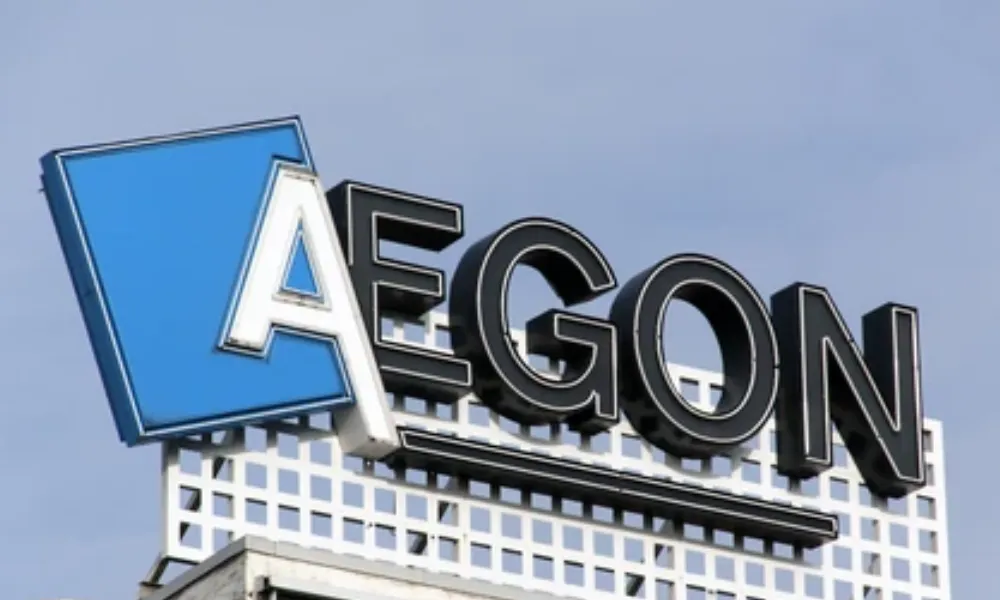
In a significant strategic shift, Aegon, the multinational insurance company, has taken steps to reestablish its corporate identity by filing paperwork with the U.S. Securities and Exchange Commission (SEC) to transform into Transamerica Inc. This move, which involves a redomiciliation from Bermuda to the United States, reflects a broader trend among international firms seeking to align their corporate structure with their operational realities. With approximately 70% of its operations now emanating from its U.S. subsidiary, this change underscores Aegon’s commitment to its American business and aims to enhance its governance, tax residency, and accounting practices.
The proposed changes will be put to a vote at an Extraordinary General Meeting scheduled for October 8, 2026. If approved, Aegon will change its legal domicile to Delaware and adopt the name Transamerica Inc., which is not only the brand of its largest subsidiary but also a name synonymous with American life insurance and retirement products. The anticipated effective date for this transition is January 1, 2028, contingent upon receiving a certificate of discontinuance from Bermuda's Registrar of Companies and meeting other regulatory requirements.

Understanding the Redomiciliation Process
Redomiciliation is a legal process that allows a company to change its country of incorporation while maintaining its corporate identity. This process often involves complex regulatory approvals and is typically undertaken to enhance operational efficiencies, optimize tax implications, or better align a company's governance with its business interests.
Why Aegon Chose to Redomicile
Aegon's decision to redomicile comes on the heels of its announcement during the December 2025 Capital Markets Day, where it reaffirmed its ambition to become a leading player in the U.S. life insurance and retirement market. By shifting its legal home to Delaware, a state known for its business-friendly laws and established corporate governance frameworks, Aegon aims to streamline its operations and better serve its customer base.
Additionally, transitioning to U.S. Generally Accepted Accounting Principles (GAAP) will not only enhance transparency but also provide a clearer picture of Aegon’s financial health to investors and stakeholders. The first full-year results under this new accounting standard are expected to be released in 2027, marking a key milestone in the company's shift towards a more U.S.-centric operational model.

The Role of Shareholders in the Transition
Central to Aegon’s redomiciliation strategy is the support of its largest shareholder, Vereniging Aegon, which holds approximately 18.4% of the voting rights. Through a Voting Undertaking Agreement, this significant stakeholder has pledged to vote in favor of the redomiciliation proposal and a related Omnibus Incentive Plan during the upcoming meeting. This commitment effectively provides a solid foundation of support, which is crucial for the success of the vote.
Proposed Changes in Governance and Structure
The shareholder circular outlines several proposed changes to Aegon’s governance structure, which are designed to reflect its new operational reality. These include:
- Conversion of outstanding Common Shares B: Aegon plans to convert all outstanding Common Shares B on a 40-to-1 basis.
- Shift to U.S. Governance Standards: The company will adopt Delaware and New York Stock Exchange rules for stockholder-approval thresholds, replacing existing structures that are less common among U.S. issuers.
- Enhanced Operational Framework: New organizational documents will be established to support the company’s future direction and operational needs.
These changes signal Aegon’s commitment to operating like a U.S. company while still managing significant international operations, including markets in Brazil and Bermuda-based Transamerica Life.

Market Implications and Future Outlook
The implications of Aegon’s planned transformation extend beyond its corporate structure. By aligning its operations with U.S. standards and practices, Aegon positions itself to better compete in the lucrative American insurance market, which is characterized by a diverse range of products and a robust regulatory environment. The shift could enhance the company’s attractiveness to U.S. investors and potentially lead to increased capital inflows.
However, the transition is not without its challenges. Aegon faces execution risks over the 18-month period leading up to the effective date. This timeframe will require careful navigation of regulatory requirements, implementation of U.S. GAAP reporting, and establishment of the new governance framework. Each of these elements will demand meticulous planning and execution to ensure a smooth transition.
Key Takeaways
- Aegon is redomiciling from Bermuda to the U.S. to align its corporate structure with its operational focus.
- The company will rename itself Transamerica Inc., reflecting its largest subsidiary's significance.
- A shareholder vote is scheduled for October 8, 2026, with substantial backing from its largest shareholder.
- Aegon plans to adopt U.S. GAAP reporting, enhancing financial transparency.
- The transition is expected to take effect on January 1, 2028, contingent on regulatory approvals.
Frequently Asked Questions
What does redomiciliation mean for Aegon?
Redomiciliation for Aegon means changing its legal jurisdiction from Bermuda to the United States. This process allows Aegon to align its governance, tax residency, and accounting practices with where the majority of its business operations are located. By doing so, the company aims to enhance efficiency and better cater to its U.S. customer base.
Why is Aegon renaming itself Transamerica Inc.?
The decision to rename the company Transamerica Inc. reflects Aegon’s strategic focus on its U.S. operations, particularly the life insurance and retirement segments that are primarily managed under the Transamerica brand. The name change signifies a commitment to these core areas and aims to position Aegon as a leader in the U.S. insurance market.
What are the potential risks associated with this transition?
The transition carries several potential risks, including regulatory challenges, the complexity of adopting U.S. GAAP reporting, and ensuring a smooth operational shift while maintaining international operations. Aegon must navigate these complexities effectively to achieve a successful transition and align its structure with its predominant business activities.
How does this change affect Aegon's international operations?
While Aegon’s redomiciliation emphasizes its focus on the U.S. market, it does not eliminate its international operations. The company will continue to manage significant business interests in other markets, including Brazil and Bermuda. However, the shift aims to streamline governance and operational efficiency in its U.S. operations while still maintaining a presence in these international markets.
Comments
Top Emerging Risks for Businesses: Navigating the AI Landscape
As artificial intelligence evolves, businesses face unprecedented risks, particularly in cybersecurity. This article explores the emerging threats and offers strategies for organizations to mitigate their impact.

Related articles




Popular in Business Insurance
- Surging War-Risk Insurance Rates in the Strait of Hormuz: What It Means for Shipping
- Ross & Yerger Insurance Faces Class Action Over Data Breach Allegations
- Sompo Expands U.S. Workers' Compensation Portfolio with Service Insurance Acquisition
- Legal Battle Unfolds Over $1 Million Truck Crash Insurance Payout
- Howden Group's Ambitious Journey Toward IPO and Expansion