The Legacy of George Joseph: A Pioneer in Insurance Innovation
George Joseph, founder of Mercury Insurance, passed away at 104, leaving behind a legacy of innovation and a commitment to fair pricing in the insurance industry.
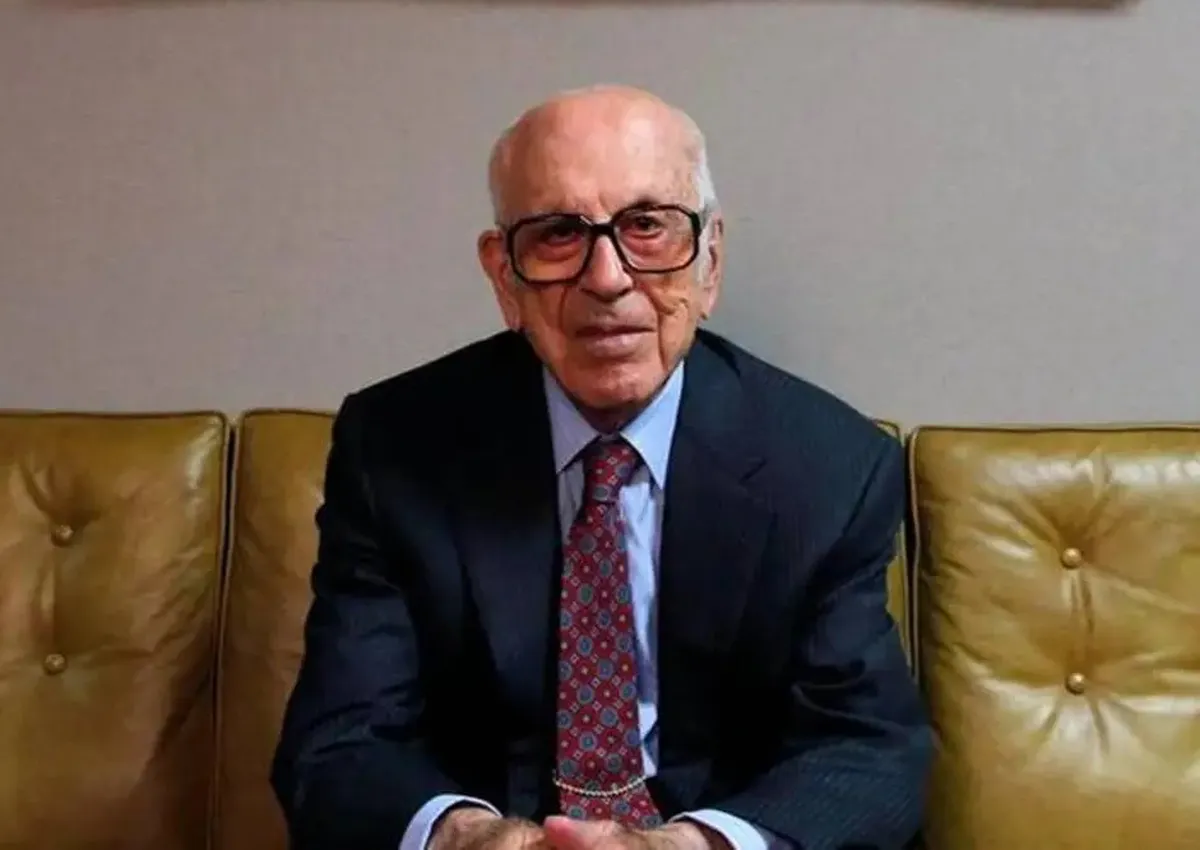
On August 26, 2023, the insurance industry mourned the loss of George Joseph, the visionary founder of Mercury General Corporation, who passed away at the remarkable age of 104. Joseph's journey from a B-17 navigator in World War II to a pioneer in the insurance sector is not just a personal tale; it's a narrative that reshaped how risk is priced and insurance is delivered in America. His profound understanding of mathematics and actuarial science laid the foundation for a company that has grown from modest beginnings into one of California's largest insurance providers.
Joseph founded Mercury Insurance in 1961, driven by a belief that precision in pricing could replace the often arbitrary methods employed by larger carriers. This conviction led him to establish a company centered around independent agents and data-driven underwriting practices, which have since become industry standards. As we reflect on his life and contributions, it’s essential to consider the broader implications of Joseph's innovations for consumers and the insurance landscape as a whole.

A Journey Through Service and Education
George Joseph's story is one of resilience and intellect. Born in 1919, he served as a navigator on a B-17 bomber during World War II, completing 50 missions over Europe. After the war, he utilized the GI Bill to attend Harvard University, where he honed his analytical skills. This background in mathematics would become critical in his approach to insurance — a field often perceived as subjective and opaque.
Joseph's academic prowess and military experience instilled in him a disciplined approach to risk assessment. Where many insurance providers relied on broad categorizations and intuition, Joseph believed that detailed statistical analysis could provide a fairer assessment of risk. This innovative thinking led him to create a company that aimed to serve a demographic often overlooked by traditional insurers.

Building Mercury Insurance: A New Standard
When Mercury Insurance was founded, it had just six employees and 90 independent agents. Joseph's strategy was to empower these agents, enabling them to offer personalized service to consumers. This distribution model not only distinguished Mercury from its competitors but also allowed the company to maintain a close relationship with policyholders, fostering loyalty and trust.
Under Joseph's leadership, Mercury quickly grew. The company went public in 1985 and expanded beyond California in 1989. By 1996, Mercury was listed on the New York Stock Exchange, and just a year later, it surpassed $1 billion in written premiums. By the time Joseph stepped down as CEO in 2006, the company had reached $3 billion in premiums written. Today, Mercury Insurance is a major player in the California insurance market, with a reported $5.98 billion in direct premiums written across 11 states by 2025.
- Independent Agents: Mercury remains primarily reliant on independent agents, a choice made by Joseph that has persisted over six decades.
- Market Position: Mercury ranks seventh among California's personal lines writers and third among homeowners insurance providers.
- Innovative Practices: Joseph's emphasis on data-driven pricing has become a standard practice in the industry.

Transforming the Insurance Landscape
Joseph's innovative approach to underwriting and pricing was revolutionary at a time when many companies relied on broad rating categories. He recognized that actuarial segmentation could provide a fairer and more accurate pricing model, allowing drivers with less-than-perfect records to be correctly assessed rather than excluded or overcharged.
His emphasis on data-driven rating processes not only reshaped Mercury but also influenced how the broader industry approached consumer risk. Today, many insurance companies utilize similar methodologies to evaluate risk, highlighting Joseph's lasting impact on the insurance landscape.
The strategic choices made by Mercury under Joseph's leadership have positioned the company to thrive even in challenging market conditions. For instance, in 2025, Mercury absorbed customers from California Safeco, who were displaced due to Liberty Mutual's product pullback, showcasing the company's commitment to maintaining a presence in the state while competitors withdrew.
The Legacy Continues
With Joseph’s passing, Gabriel Tirador has taken over as chairman of the Mercury board, continuing the vision that Joseph set forth over six decades ago. Tirador, who has served as CEO since 2007, emphasizes the importance of Joseph's contributions, stating, “George Joseph built Mercury on the belief that customers deserved quality insurance, fair pricing, and personal service.”
Mercury’s innovative practices continue to resonate within the industry. The focus on data-driven underwriting and pricing has enabled independent agents to better position clients with carriers, ensuring that consumers receive competitive premiums tailored to their specific risk profiles.

Key Takeaways
- Innovative Leadership: George Joseph’s data-driven approach transformed risk assessment in the insurance industry.
- Continued Growth: Mercury Insurance has grown significantly since its founding, with a strong market presence in California.
- Family Legacy: The Joseph family continues to influence the company, ensuring that George's vision endures.
Frequently Asked Questions
What was George Joseph's contribution to the insurance industry?
George Joseph revolutionized the insurance industry by applying actuarial science and data-driven methodologies to risk assessment. By utilizing detailed statistical analysis, he was able to create a pricing model that accurately reflected individual risk levels, allowing Mercury Insurance to serve a wider range of drivers, including those with less-than-perfect records. This approach has since become a standard practice across the industry.
How did Mercury Insurance grow under Joseph's leadership?
Starting with only six employees and 90 agents, Mercury Insurance grew exponentially under George Joseph’s leadership. The company went public in 1985 and expanded its operations beyond California by 1989. By the time Joseph stepped down as CEO in 2006, Mercury had reached $3 billion in premiums written, demonstrating its significant growth and market influence.
What is the current status of Mercury Insurance?
As of 2025, Mercury Insurance is a leading provider in California, with $5.98 billion in direct premiums written across 11 states. It ranks seventh among California personal lines writers and third among homeowners insurance providers. The company continues to operate primarily through independent agents, maintaining the distribution model established by Joseph.
Who will lead Mercury Insurance now that George Joseph has passed?
Following George Joseph's death, Gabriel Tirador has been appointed as chairman of the Mercury board, while continuing his role as CEO. Tirador, who has been with the company for many years, is committed to upholding the vision and standards that George Joseph established, ensuring that Mercury remains a strong player in the insurance market.
Comments
Innovative Underwriting: How Trucking Apps are Reshaping Insurance for Small Fleets
As commercial truck insurance premiums soar, small fleets face unique challenges. New data-driven underwriting models from Corgi Insurance and Trucker Path are paving the way for more equitable insurance solutions.

Related articles






Popular in Business Insurance
- Surging War-Risk Insurance Rates in the Strait of Hormuz: What It Means for Shipping
- Ross & Yerger Insurance Faces Class Action Over Data Breach Allegations
- Sompo Expands U.S. Workers' Compensation Portfolio with Service Insurance Acquisition
- Legal Battle Unfolds Over $1 Million Truck Crash Insurance Payout
- Howden Group's Ambitious Journey Toward IPO and Expansion