Avis Budget's Arbitration Rights Underscored by Appeals Court Ruling
A recent ruling by the Third Circuit reinforces Avis Budget's right to enforce arbitration in a dispute over supplemental liability insurance, despite previous litigation. This decision sheds light on arbitration clauses and their impact on consumer rights.
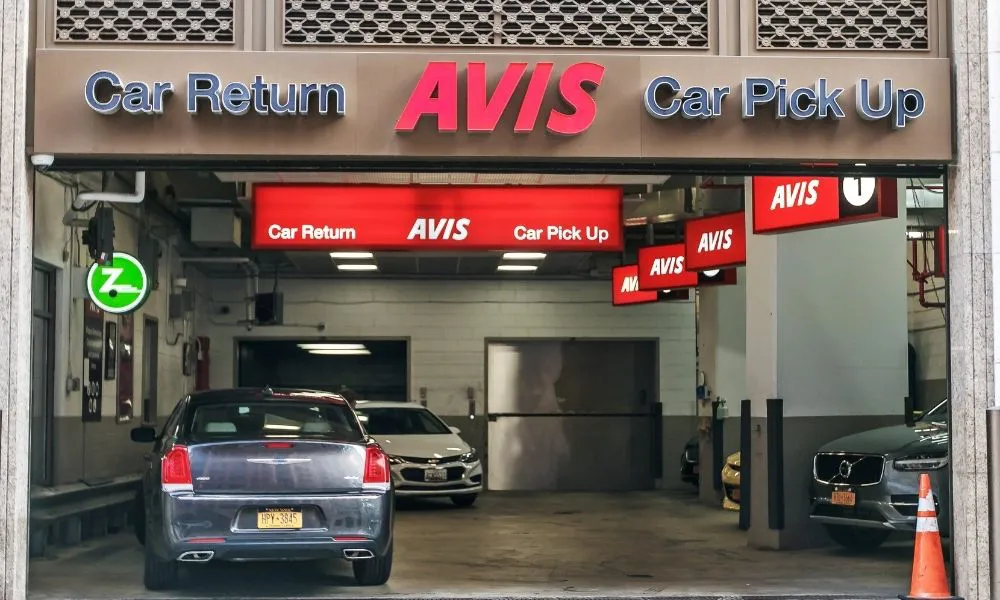
The legal landscape surrounding arbitration clauses in consumer contracts took a significant turn with a recent ruling from the Third Circuit Court of Appeals. Avis Budget Group’s right to compel arbitration in a dispute over supplemental liability insurance was upheld, despite months of litigation. This decision not only impacts the parties involved but also sets a precedent for how arbitration agreements are interpreted in the context of rental agreements and other consumer contracts.
In this case, two British customers, who rented vehicles from Budget Rent A Car, found themselves embroiled in a legal battle that highlighted the complexities of arbitration clauses. After renting vehicles in the U.S. on multiple occasions, they alleged that Budget failed to provide the supplemental liability insurance they had paid for, which was supposed to cover damages to third parties. Their claims, including breach of contract and fraudulent misrepresentation, raised crucial questions about the enforceability of arbitration clauses and consumer rights within the rental car industry.
The Legal Context of Arbitration Clauses
Arbitration clauses are often included in consumer contracts to stipulate that disputes will be resolved outside of court, typically in a private arbitration setting. The rationale behind these clauses is to provide a quicker and less expensive resolution process for both consumers and businesses. However, the enforceability of these clauses can be contentious, particularly when consumers claim they were not adequately informed about their rights.
Understanding the Third Circuit's Decision
In this particular case, the Third Circuit ruled that Avis Budget had not waived its right to arbitration, overturning a lower court's decision that suggested otherwise. The court emphasized that the company’s repeated reservations of its right to arbitrate indicated a consistent intention to maintain that option. This ruling was grounded in legal precedents, notably the earlier Bacon decision, which established that customers are bound by arbitration clauses only if they had knowledge of them at the time of signing. This adds a layer of complexity, as it raises questions about how well consumers understand the terms they agree to when renting vehicles.
Consumer Implications of the Ruling
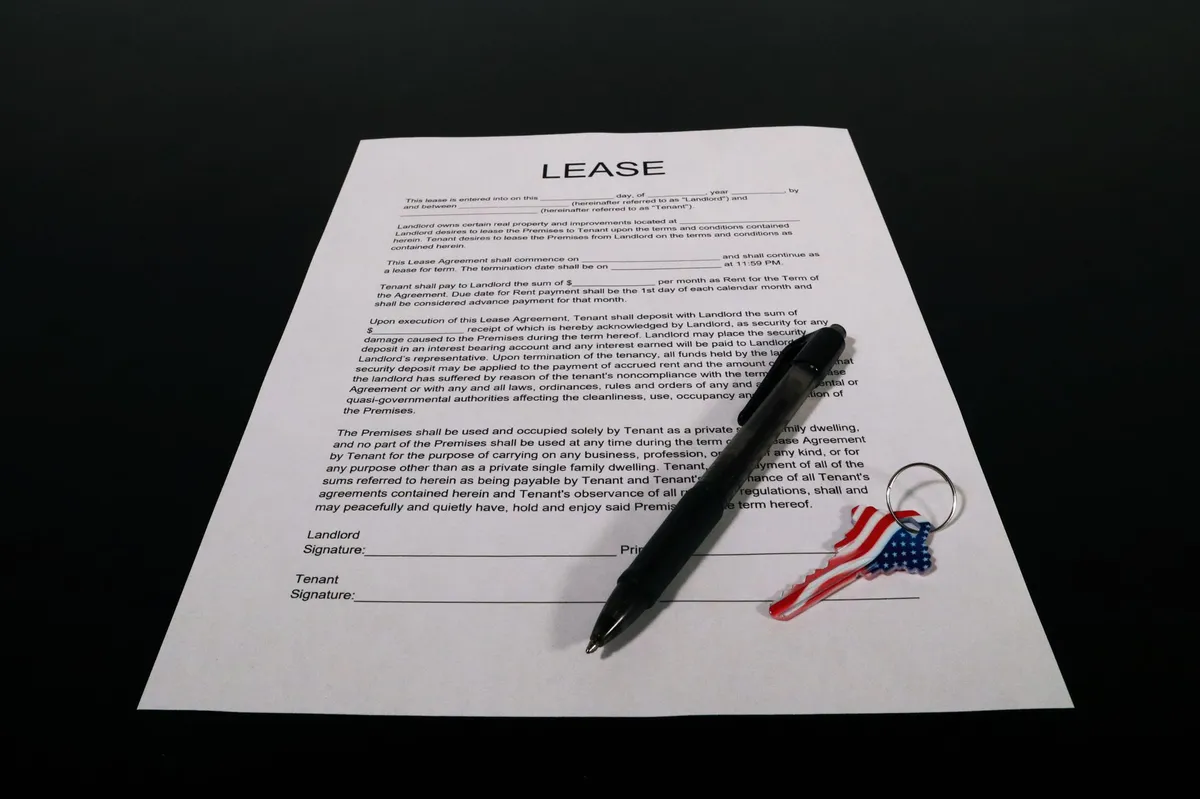
This decision has wide-ranging implications for consumers who rent vehicles in the U.S. Often, individuals do not fully grasp the legal jargon within rental agreements, which can include arbitration clauses that limit their rights to seek recourse in court. The following points are critical for consumers to understand:
- Arbitration Clauses Are Common: Most rental car companies include arbitration clauses in their agreements, which can limit consumers’ ability to pursue claims in court.
- Understanding Your Rights: Consumers should take the time to read and understand the terms of their rental agreements, particularly regarding insurance and liability.
- Legal Precedents Matter: Court rulings, like the one from the Third Circuit, can influence how arbitration clauses are enforced and how consumers can navigate disputes.
The Rental Car Insurance Landscape
The case also sheds light on the often confusing realm of rental car insurance, particularly supplemental liability insurance. When renting a vehicle, customers are frequently presented with options for additional coverage, which can include:
- Supplemental Liability Insurance (SLI): This coverage typically provides additional protection for damages to third parties above the standard liability coverage.
- Collision Damage Waiver (CDW): This option protects renters from financial liability in case of damage to the rental vehicle itself.
- Personal Accident Insurance (PAI): This coverage offers financial assistance for medical expenses incurred by the renter and passengers in the event of an accident.
Understanding these options is crucial, as they can significantly impact financial responsibility in the event of an accident. The allegations made by the British customers suggest that Budget may not have provided the coverage expected, raising important questions about the transparency of insurance offerings in the rental industry.

Litigation vs. Arbitration: A Consumer's Dilemma
For consumers, the choice between litigation and arbitration can be fraught with challenges. The Third Circuit's ruling illustrates that companies can pivot to arbitration even after engaging in litigation, provided they maintain their right to do so. This puts consumers in a difficult position, as they may have already invested time and resources into the litigation process.
Furthermore, arbitration can often favor companies over consumers, as it is typically less formal and can limit the discovery process, which is essential for building a case. This may leave consumers feeling disadvantaged, especially when they believe they have a valid claim against a large corporation.

Key Takeaways
- The Third Circuit ruling reinforces that companies can maintain their right to arbitration even after engaging in litigation.
- Consumers should thoroughly review rental agreements to understand their rights, particularly regarding insurance coverage.
- Arbitration clauses can significantly limit consumers' options for legal recourse.
Frequently Asked Questions
What is an arbitration clause?
An arbitration clause is a provision in a contract that requires disputes to be resolved through arbitration rather than in court. This can limit a consumer's ability to pursue legal action in a traditional courtroom setting, often directing them to a private arbitration process instead, which can be less formal and have different rules governing the proceedings.
How does the Third Circuit's ruling affect consumers?
The Third Circuit's ruling affirms that companies can enforce arbitration clauses even after litigation has commenced. This means that consumers must be vigilant in understanding their rental agreements and the implications of any arbitration clauses, as they may find themselves bound to arbitrate disputes rather than pursuing claims in court.
What should consumers do before renting a vehicle?
Before renting a vehicle, consumers should carefully read the rental agreement, paying particular attention to sections regarding insurance coverage and arbitration clauses. It is advisable to ask questions about the terms of any supplemental insurance being offered and to consider whether the coverage meets their needs, particularly in terms of liability and damage protection.
Can I challenge an arbitration clause?
Challenging an arbitration clause can be difficult, but it is not impossible. Consumers may argue against the enforceability of an arbitration clause if they were not adequately informed of its existence or if the terms were deemed unconscionable. However, legal precedents often favor the enforceability of such clauses, so it is important for consumers to seek legal advice if they believe an arbitration clause is unfair or improperly applied.
Comments
Aon Eyes $17 Billion Acquisition of USI Insurance from KKR
Aon Plc is reportedly nearing an agreement to acquire USI Insurance Services for $17 billion, a move that could reshape the insurance brokerage landscape. This acquisition follows KKR's significant investments in USI since 2017, marking a notable exit for the private equity firm.

Related articles







Popular in Business Insurance
- Surging War-Risk Insurance Rates in the Strait of Hormuz: What It Means for Shipping
- Ross & Yerger Insurance Faces Class Action Over Data Breach Allegations
- Sompo Expands U.S. Workers' Compensation Portfolio with Service Insurance Acquisition
- Legal Battle Unfolds Over $1 Million Truck Crash Insurance Payout
- Howden Group's Ambitious Journey Toward IPO and Expansion