Thailand's Innovative $467 Million Disaster Risk Insurance Program
Thailand launches a groundbreaking disaster insurance initiative aimed at protecting 30 million households from floods, storms, and earthquakes. This program shifts a significant portion of disaster risk from taxpayers to private insurers.
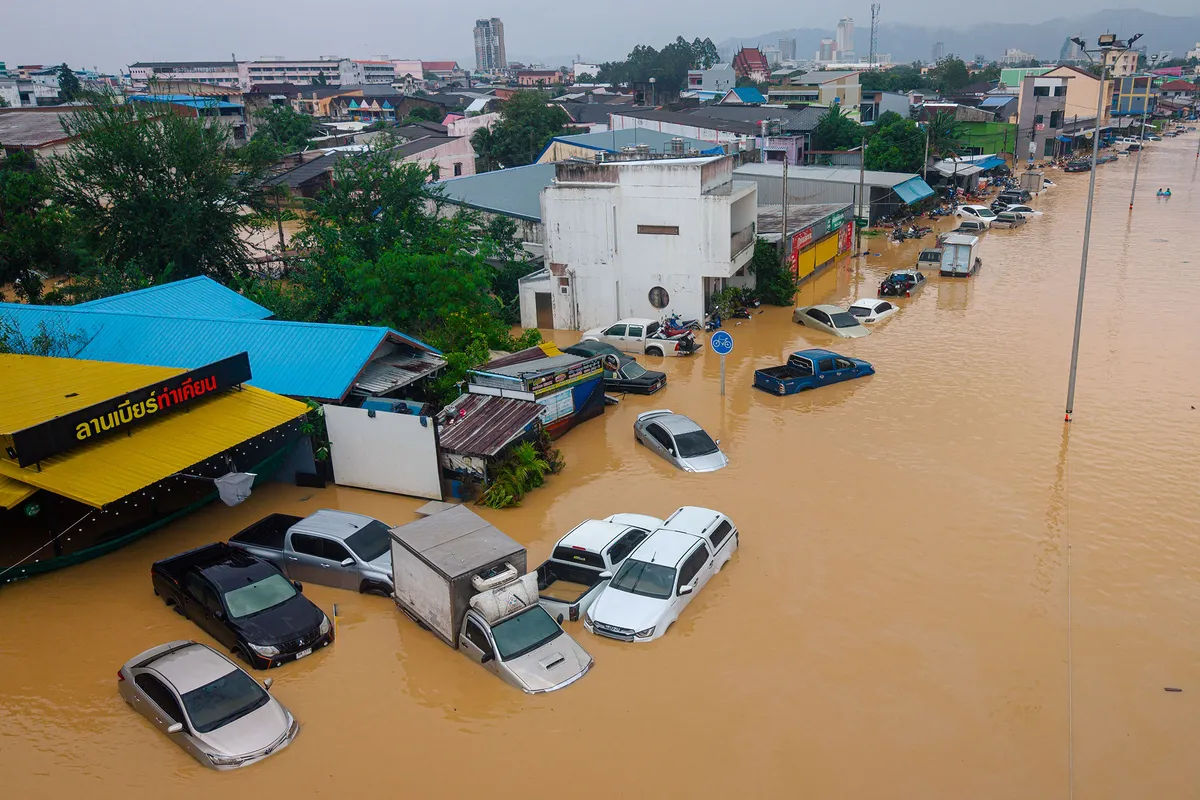
In a bold step toward mitigating the financial impact of natural disasters, the Thai government has approved a comprehensive disaster insurance program that will provide coverage to approximately 30 million households in high-risk areas. With an annual budget of 15.5 billion baht (around $467 million), this innovative initiative is set to redefine how Thailand manages its disaster risk, shifting a significant portion of the financial burden from taxpayers to private insurers. This move comes in response to the escalating costs of natural disasters, fueled by climate change and urbanization, which have made many regions of Thailand increasingly vulnerable to extreme weather events.
Prime Minister Anutin Charnvirakul announced the program during a press briefing, highlighting its potential to deliver timely financial support to families affected by floods, storms, and earthquakes. The initiative is not only a financial safety net but also a strategic plan to enhance the resilience of communities facing the growing threat of natural disasters, which are becoming more frequent and severe.
The Structure of Thailand's Disaster Insurance Program
Under the new program, households affected by natural disasters will receive immediate financial assistance to help them recover from the initial shocks of such events. Specifically, the government plans to distribute:
- 10,000 baht (approximately $290) for flood damage
- 5,000 baht (approximately $145) for storm or earthquake damage
These initial payouts will be made within a mere 15 days following a disaster, providing essential support to families as they begin to assess and address the damage. However, this insurance program also has significant limits. The total compensation per household is capped at 100,000 baht (about $2,900) for each disaster, with an additional 2 million baht (approximately $58,000) allocated for each disaster-related death.
Addressing the Rising Costs of Natural Disasters
The impetus for this insurance program stems from the increasing financial strain that natural disasters have placed on the Thai government. Currently, the government spends around 30 billion baht (roughly $870 million) each year to compensate households for disaster-related losses. This financial burden is unsustainable, particularly as the frequency and intensity of disasters continue to rise.
Recent events highlight the urgent need for such a program. Last month, floods in Northern Thailand tragically claimed three lives and impacted approximately 25,000 residents. Similarly, severe flooding in Southern Thailand in November affected over a million people, disrupting lives and the local economy, particularly in Hat Yai, a key commercial and tourism hub. These incidents have underscored the necessity of developing a robust insurance framework that can absorb some of the financial shocks associated with natural disasters.
Shifting Financial Responsibility to Private Insurers
A key feature of this initiative is the shared financial responsibility between the government and private insurers. By enabling insurers to take on payouts beyond the initial government-funded compensation, Thailand aims to lessen the taxpayers' burden during major catastrophes. This dual-layered approach not only provides immediate financial relief but also encourages the development of a more competitive insurance market.
Private insurers will be responsible for claims that exceed the government's initial payouts, thus incentivizing them to innovate and create comprehensive policies that can better serve the needs of those in high-risk areas. This shift is critical, as much of the economic damage caused by natural disasters in Thailand remains uninsured, leaving many families vulnerable.

The Players Behind the Program
The implementation of this insurance initiative involves collaboration among several key agencies: the Department of Disaster Prevention and Mitigation, the Finance Ministry, the Office of Insurance Commission, and the Thai General Insurance Association. These organizations will work together to develop the program, ensuring that it is effective and accessible to those who need it most.
This collaboration is essential, particularly in a country like Thailand, where the impacts of climate change are becoming increasingly evident. The rising frequency of extreme weather events necessitates a proactive approach to disaster risk management, and this program represents a significant step in that direction.

Why It Matters: The Broader Context
The launch of Thailand's disaster insurance program is a reflection of a broader trend across Asia as governments grapple with rising disaster costs linked to urbanization and climate change. Many nations are beginning to recognize the importance of transferring disaster risk to the private sector as a means of protecting public finances and ensuring a more resilient future.
This shift is particularly significant in light of the increasing exposure to natural hazards. As urban areas expand and climate change intensifies weather patterns, the frequency and severity of disasters are expected to rise. By embracing innovative insurance solutions, countries can better manage these risks, protecting not only their citizens but also their economic stability.
Key Takeaways
- Thailand's new disaster insurance program allocates 15.5 billion baht ($467 million) annually for household coverage.
- Initial payouts of 10,000 baht for floods and 5,000 baht for storms/earthquakes will be provided within 15 days.
- The program caps total compensation at 100,000 baht per household and 2 million baht for each disaster-related death.
- This initiative aims to shift disaster risk from taxpayers to private insurers, encouraging a more robust insurance market.
- The program is a response to increasing disaster costs fueled by climate change and urbanization.
Frequently Asked Questions
What types of disasters are covered under Thailand's new insurance program?
The program specifically covers floods, storms, and earthquakes. Each type of disaster comes with its compensation structure, allowing households to receive immediate financial assistance to address the initial impacts of these events. This coverage is crucial in regions that are frequently affected by such natural disasters, providing a much-needed safety net for families.
How will the insurance program affect taxpayers?
By shifting some of the financial responsibility for disaster payouts from the government to private insurers, the program aims to reduce the overall burden on taxpayers. Currently, the government spends approximately 30 billion baht annually compensating for disaster losses. With the new insurance framework, taxpayers can expect a decrease in this expenditure, as private insurers will handle claims that exceed government payouts.
When can households expect to receive payouts after a disaster?
Households affected by floods, storms, or earthquakes can expect to receive their initial payouts within 15 days of the disaster. This swift response is designed to assist families in the crucial early days following a disaster, enabling them to begin the recovery process without significant delays.
What is the role of private insurers in this program?
Private insurers play a critical role in managing the financial risk associated with natural disasters under this program. They will be responsible for handling claims that exceed the government's initial payouts, which encourages them to create competitive and comprehensive insurance products that can meet the needs of households in high-risk areas. This shift promotes innovation within the insurance sector, ultimately benefiting consumers.
Comments
Kensington Insurance Faces Consequences for Discovery Failures
Kensington Insurance Company loses coverage dispute due to missed discovery deadlines, emphasizing the importance of timely legal compliance.

Related articles







Popular in Business Insurance
- Surging War-Risk Insurance Rates in the Strait of Hormuz: What It Means for Shipping
- Ross & Yerger Insurance Faces Class Action Over Data Breach Allegations
- Sompo Expands U.S. Workers' Compensation Portfolio with Service Insurance Acquisition
- Legal Battle Unfolds Over $1 Million Truck Crash Insurance Payout
- Howden Group's Ambitious Journey Toward IPO and Expansion