Government Backs OpenAI in Landmark Copyright Case
The U.S. government's recent backing of OpenAI in its copyright dispute with the New York Times signals a pivotal moment in the intersection of artificial intelligence and copyright law. This article explores the implications of this case for the tech industry and copyright holders alike.
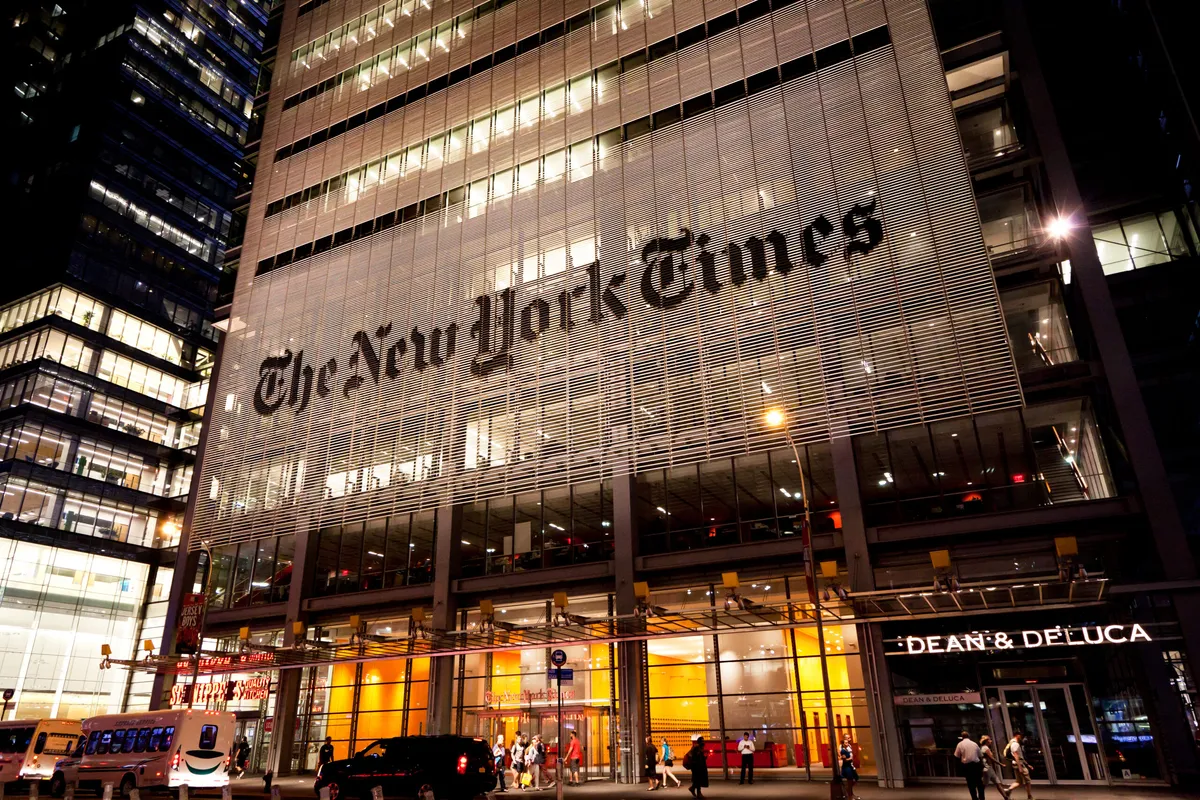
In a significant legal development, the U.S. government has thrown its weight behind OpenAI in a high-profile copyright case involving the New York Times and other media outlets. The case centers around OpenAI's use of copyrighted material to train its advanced language models, which power the increasingly popular ChatGPT. The Trump administration's brief, filed in a Manhattan federal court, marks the first time the government has intervened in the ongoing legal battle between tech companies and copyright holders. This case could set a vital precedent that shapes the future of artificial intelligence (AI) and copyright law in the United States.
The government's brief argues that training AI models on copyrighted material constitutes fair use, a legal doctrine that allows limited use of copyrighted works without permission under specific circumstances. The administration's position highlights the broader implications for scientific advancement and national security, suggesting that limiting AI development could hinder America's competitive edge in the global technology landscape.
The Legal Landscape of Copyright and AI
The intersection of copyright law and artificial intelligence is becoming increasingly complex as AI technologies continue to evolve. Copyright law, designed to protect the rights of creators and authors, faces challenges in adapting to the digital age, especially with the rise of machine learning and AI.
Understanding Fair Use
Fair use is a legal doctrine that allows for limited use of copyrighted material without needing permission from the copyright holder. It typically applies under four factors:
- The purpose and character of the use (commercial vs. educational)
- The nature of the copyrighted work
- The amount and substantiality of the portion used
- The effect of the use on the market for the original work
In the case of AI training, the critical question is whether using copyrighted texts to train AI models creates new, transformative content, thus qualifying as fair use. The legal argument is bolstered by the assertion that AI-generated outputs can lead to new insights and advancements across various fields, including medicine, science, and technology.
The Government's Position: A Push for Progress
In the brief filed in support of OpenAI, U.S. Associate Attorney General Stanley Woodward emphasized the government’s belief that AI development is crucial for national security and economic prosperity. He stated, "AI dominance is critical to promote national security, prosperity, and economic mobility for all Americans." This statement reflects a broader government strategy to foster technological innovation while navigating the delicate balance of protecting intellectual property.
Moreover, U.S. Commerce Secretary Howard Lutnick echoed these sentiments in discussions with G20 officials, advocating for the acceptance of fair use principles that would allow AI companies to utilize creators’ works while simultaneously protecting artists' rights.
The Stakes: What’s at Risk?
The outcome of the New York Times lawsuit against OpenAI, as well as similar cases against other tech giants like Meta Platforms and Anthropic, could have far-reaching consequences for both the tech industry and copyright holders. For the tech sector, a ruling in favor of fair use could pave the way for further advancements in AI, enabling companies to train their models on vast datasets without the constant fear of litigation. This could lead to:
- Accelerated AI development across various sectors
- Lower barriers to entry for startups and smaller companies
- Increased collaboration between tech firms and academic institutions
Conversely, a ruling against OpenAI could restrict how AI companies utilize existing content, forcing them to seek permission from copyright holders and potentially stifling innovation. It could also set a precedent that might make it more challenging for AI developers to leverage the wealth of information available online.
The Broader Context of Copyright Enforcement
The New York Times’ lawsuit is part of a larger trend where copyright holders are increasingly asserting their rights against tech companies that utilize their content without permission. This movement includes authors, publishers, and music labels who are concerned that their works are being exploited by AI systems without adequate compensation or recognition.
The legal landscape is evolving, with courts across the country issuing varied rulings on the nature of fair use in the context of AI. In 2023, two judges reached conflicting conclusions on whether AI training constituted fair use, highlighting the need for a more uniform understanding of copyright law as it relates to emerging technologies.
Key Takeaways
- The U.S. government supports OpenAI's use of copyrighted materials for AI training, arguing it promotes innovation.
- The concept of fair use is central to ongoing legal disputes surrounding AI and copyright.
- Outcomes of these cases could define the future of AI development and copyright enforcement.
- The tech industry stands to benefit significantly if fair use is upheld in these legal battles.
- Continued litigation may lead to clearer guidelines on copyright in the age of AI.
Frequently Asked Questions
What is the significance of the U.S. government filing a brief in support of OpenAI?
The filing signifies a major endorsement of AI development by the government, highlighting the belief that AI technologies can drive economic growth and national security. It positions the government as a key player in shaping the legal framework surrounding AI and copyright, suggesting that the administration is committed to fostering innovation while balancing the rights of content creators.
How does fair use apply to AI training?
Fair use applies to AI training when the use of copyrighted material is deemed transformative, meaning that it creates new insights or content that didn't previously exist. Courts will evaluate this based on the four fair use factors, considering whether the training process benefits society as a whole and fosters innovation.
What are the potential outcomes of the New York Times lawsuit against OpenAI?
The potential outcomes range from a ruling that upholds fair use, allowing OpenAI and similar companies to continue training their models without extensive licensing fees, to a decision that restricts their ability to use copyrighted content, thereby forcing companies to negotiate permissions and potentially slowing down AI development.
How might this legal battle affect consumers and businesses?
The outcomes of these copyright cases could influence the availability of AI tools for consumers and businesses, impacting everything from productivity applications to creative tools. If fair use is upheld, it may lead to more accessible and innovative AI solutions. Conversely, restrictions could limit the scope of what AI can achieve, affecting businesses that rely on these technologies for efficiency and creativity.
Comments
Navigating AI Coverage: What Retail Brokers Must Know Now
As AI technologies evolve, retail brokers face challenges in securing appropriate cyber coverage. Understanding the nuances of AI-related risks is crucial for effective policy negotiation.

Related articles







Popular in Business Insurance
- Surging War-Risk Insurance Rates in the Strait of Hormuz: What It Means for Shipping
- Ross & Yerger Insurance Faces Class Action Over Data Breach Allegations
- Sompo Expands U.S. Workers' Compensation Portfolio with Service Insurance Acquisition
- Legal Battle Unfolds Over $1 Million Truck Crash Insurance Payout
- Howden Group's Ambitious Journey Toward IPO and Expansion