Bridging the Talent Gap in Commercial Property and Casualty Insurance
As the commercial property and casualty insurance industry faces a critical talent shortage, this article explores the evolving challenges, the impact of technology, and what organizations can do to ensure a capable workforce.

The commercial property and casualty (P&C) insurance industry is at a pivotal juncture, facing a talent gap that has been developing over decades. As seasoned professionals approach retirement, the urgency to attract and develop new talent has never been more pressing. With over four decades of experience in this ecosystem, I have witnessed firsthand the industry's ability to nurture underwriters and adapt to changing landscapes. However, as we look back five years after my doctoral research on this topic, it becomes essential to ask not just whether we have enough people in the pipeline, but whether those individuals are truly equipped to handle the responsibilities that lie ahead.
Five years ago, my research highlighted a looming concern regarding the industry's readiness to fill the void left by retiring experts. Today, while we can observe a flurry of activity aimed at addressing this talent vulnerability, the question remains: Are we simply filling chairs, or are we genuinely preparing skilled professionals who can meet the demands of an evolving market?
The Current State of Talent Development in Commercial P&C
Despite the challenges, the commercial P&C landscape is not devoid of progress. Academic programs related to insurance are more active than ever, with some institutions reporting significant enrollment growth. This influx of students is encouraging, but it does not directly translate to readiness in the workforce. The real questions are:
- How many of these students choose to pursue careers in underwriting?
- Are they being adequately prepared for the complexities of their roles?
- What does their journey from education to practice look like?
Organizations are increasingly focusing on succession planning and developmental pathways. For instance, potential successors are now assessed based on their expected time-to-readiness, a crucial metric that goes beyond simply identifying candidates. This shift towards a more structured approach to talent development is promising, yet it is essential to recognize that not all organizations are implementing these strategies effectively.

The Movement of Talent: A Double-Edged Sword
The commercial P&C ecosystem consists of a complex network of insurers, reinsurers, agents, brokers, and managing general agents (MGAs). When one organization successfully hires an experienced underwriter from another, it may temporarily address an immediate need. However, this movement does not equate to a net gain in talent throughout the industry. Instead, it merely redistributes existing expertise without necessarily increasing the overall pool of skilled practitioners.
This dynamic raises concerns regarding the industry's long-term capacity to meet its underwriting needs. As talent migrates across organizations, it is vital to understand that hiring activity alone does not resolve the broader issues of talent development and readiness. The industry must look beyond mere recruitment numbers and consider whether the knowledge and skills required for underwriting are being adequately cultivated across the ecosystem.
Technological Advancements: A Mixed Blessing
The integration of artificial intelligence (AI) and automation into underwriting processes has introduced a new layer of complexity to talent development. While technology can streamline operations and reduce manual tasks, it also requires a reassessment of how we prepare individuals for their roles. AI's influence on workflows means that traditional tasks may evolve or disappear, potentially impacting the developmental experiences of emerging underwriters.
For instance, in one documented case, AI implementation diminished the need for manual data entry, prompting a redesign of underwriting assistant roles toward greater responsibility and career advancement. However, this shift raises important questions:
- What skills are essential for underwriting in an AI-enhanced environment?
- How can organizations ensure that new hires gain exposure to critical aspects of underwriting?
- What developmental opportunities are being lost due to the automation of routine tasks?
It is crucial for organizations to strike a balance between efficiency and development. As technology reshapes the workspace, understanding what experiences are being retained, altered, or eliminated becomes imperative for fostering a competent workforce.
Understanding Readiness vs. Activity
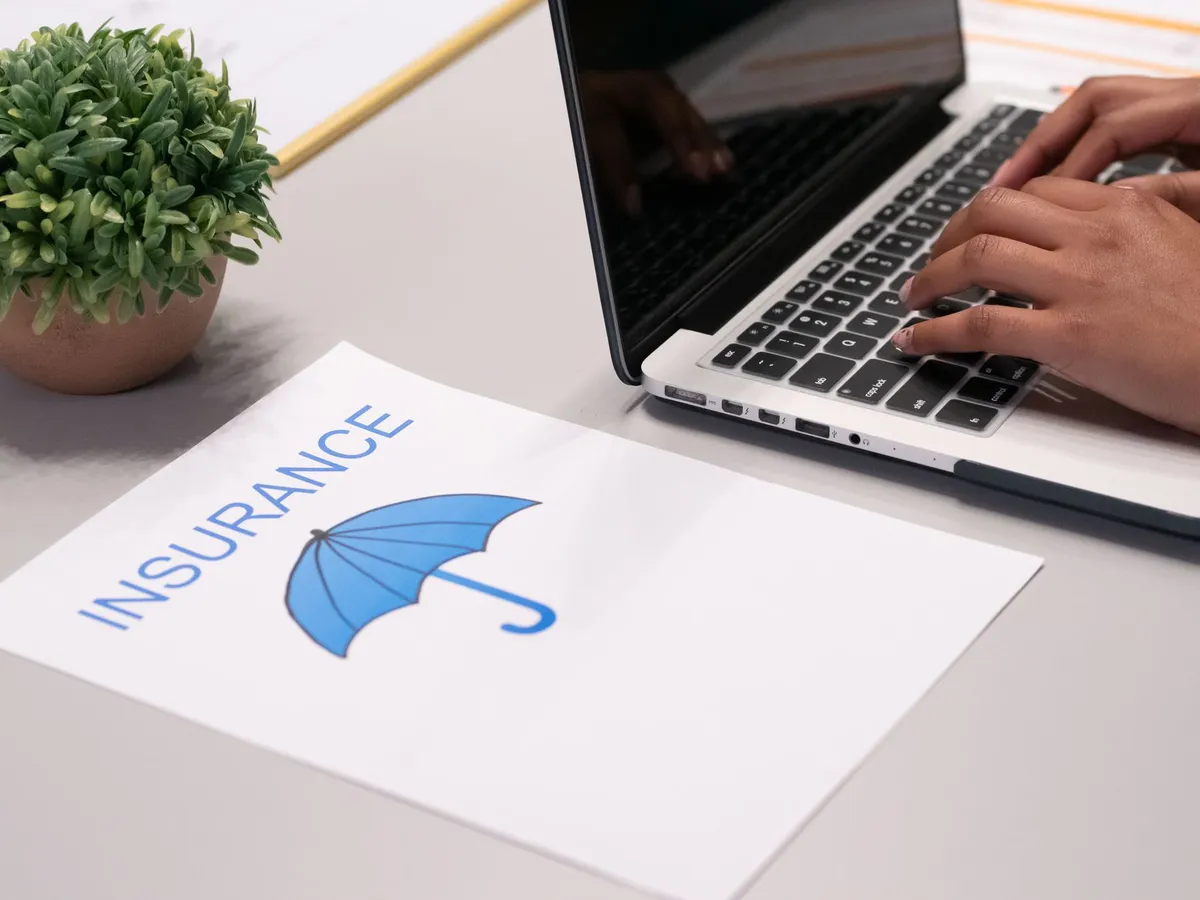
As I reviewed the evidence over the past five years, it became clear that while there is considerable activity in areas such as academic growth, recruitment, and technology integration, these efforts do not guarantee readiness. Organizations often fill vacancies to maintain operational continuity, but this does not necessarily equate to having capable individuals ready to perform the required underwriting work.
The distinction between filling roles and ensuring readiness cannot be overstated. An organization may successfully promote someone internally or hire an experienced professional, yet these actions do not confirm that the individual is equipped to handle the full scope of responsibilities. Instead of focusing solely on headcount or succession plans, organizations should prioritize assessing the readiness of their workforce and the competencies required for effective underwriting.
Leadership Questions for a Sustainable Future
Five years ago, my concern revolved around the industry's preparedness for the impending demographic shifts. Today, that concern has evolved into a more nuanced inquiry. Leaders in the commercial P&C sector should ask:
- What underwriting capabilities must our organization possess?
- What knowledge, skills, and judgment are essential for performing this work?
- Who within our organization is prepared to step into these roles?
- How can we effectively develop our talent pipeline?
- What unintended consequences arise from our hiring, promoting, or automation decisions?
These questions encourage a deeper examination of the talent landscape beyond mere numbers. They compel organizations to consider the quality of readiness and to implement strategic initiatives that foster a sustainable pipeline of skilled professionals.
Key Takeaways
- The talent gap in the commercial P&C insurance industry remains a pressing challenge.
- Activity in recruitment and training does not equate to readiness for underwriting responsibilities.
- Technology, particularly AI, is reshaping the development landscape and requires a reevaluation of training approaches.
- Leadership must focus on the competencies necessary for underwriting and assess the readiness of their teams.
- Understanding the implications of hiring decisions is crucial for maintaining capability continuity.
Frequently Asked Questions
What factors contribute to the talent gap in commercial P&C insurance?
The talent gap in commercial P&C insurance is driven by a combination of factors, including the retirement of seasoned professionals, a lack of awareness among potential candidates about career opportunities, and the complexity of underwriting roles. Additionally, the rapid pace of technological change requires new skills that existing educational programs may not fully address, further complicating the situation.
How can organizations effectively develop their talent pipeline?
Organizations can enhance their talent pipeline by implementing structured mentorship programs, offering internships that provide real-world experience, and fostering partnerships with academic institutions. By actively engaging with educational programs, companies can help shape curricula that align with industry needs, ensuring that students graduate with the skills and knowledge required for successful careers in underwriting.
What role does technology play in talent development?
Technology plays a dual role in talent development within the commercial P&C insurance sector. On one hand, it can streamline workflows and improve efficiency, reducing the need for manual tasks. On the other hand, it necessitates a shift in how individuals are trained and developed. Organizations must ensure that new technologies do not hinder the learning opportunities essential for building underwriting expertise and that they adapt their training programs to include relevant technological skills.
How can leaders measure readiness for underwriting roles?
Measuring readiness for underwriting roles requires a comprehensive approach that includes assessing not only technical skills but also critical thinking, judgment, and decision-making abilities. Organizations can implement performance metrics, conduct regular evaluations, and solicit feedback from mentors to gauge an individual's preparedness for taking on underwriting responsibilities. Additionally, tracking the progression of employees through developmental milestones can provide insights into their readiness to assume more complex roles.
Comments
Navigating AI Coverage: What Retail Brokers Must Know Now
As AI technologies evolve, retail brokers face challenges in securing appropriate cyber coverage. Understanding the nuances of AI-related risks is crucial for effective policy negotiation.

Related articles





Popular in Business Insurance
- Surging War-Risk Insurance Rates in the Strait of Hormuz: What It Means for Shipping
- Ross & Yerger Insurance Faces Class Action Over Data Breach Allegations
- Sompo Expands U.S. Workers' Compensation Portfolio with Service Insurance Acquisition
- Legal Battle Unfolds Over $1 Million Truck Crash Insurance Payout
- Howden Group's Ambitious Journey Toward IPO and Expansion