Understanding SRCC Risks: Howden Re's New Modeling Tool
Howden Re introduces 'UNREST', a groundbreaking tool for modeling strikes, riots, and civil commotion (SRCC) risks, offering insurers deep insights into property-level exposures. This innovation addresses the rising challenges insurers face in managing SRCC events amid an unpredictable geopolitical landscape.

The landscape of risk assessment in the insurance industry is evolving, particularly in the face of increasing instances of strikes, riots, and civil commotion (SRCC). Recognizing this urgent need for better analytical tools, Howden Re, the reinsurance arm of the global insurance broker Howden, has launched a cutting-edge modeling tool named UNREST. In collaboration with Synthetik Insurance Technologies, UNREST aims to offer insurers and reinsurers a comprehensive understanding of SRCC risks at a granular level, providing critical insights that can significantly enhance underwriting practices and portfolio management.
UNREST is designed to address a persistent challenge in the insurance sector: the inadequacy of existing tools to accurately assess the unpredictable nature of SRCC events. As geopolitical tensions rise and civil unrest becomes more frequent, it is imperative for insurers to adopt innovative strategies that reflect the complexities of these risks.
What is SRCC and Why is It Important?
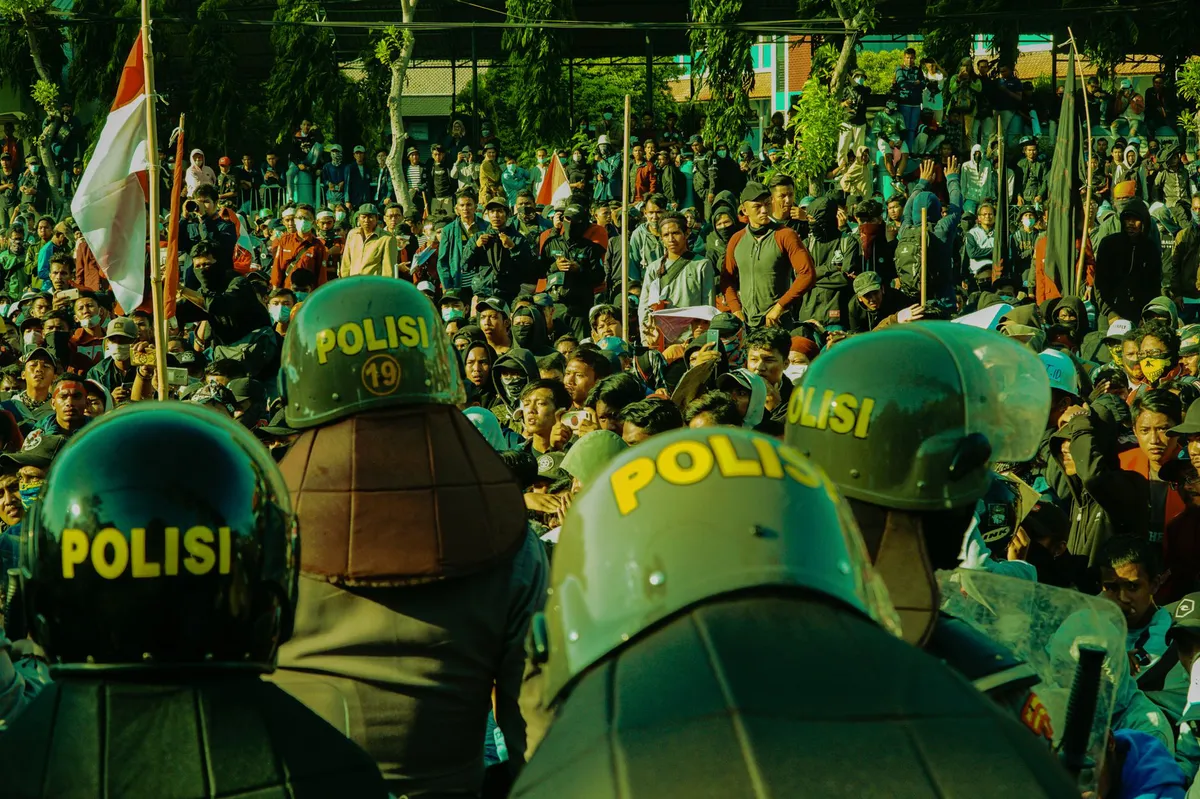
Strikes, riots, and civil commotion (SRCC) encompass a range of disruptive events that can lead to extensive property damage and financial losses. Unlike natural disasters, which tend to follow predictable patterns, SRCC incidents are influenced by political climates, social movements, and urban dynamics, making their impacts unpredictable and often catastrophic.
In recent years, insured losses attributed to SRCC incidents have surged. For instance, the sociopolitical upheavals in various parts of the world have triggered heightened claims in the insurance sector, prompting underwriters to reconsider their risk assessment protocols. The ability to quantify potential losses from these events is crucial not only for insurers but also for businesses operating in volatile environments.
How UNREST Works: Key Features and Benefits
The UNREST tool employs advanced property-level analytics and dynamic event simulation to provide a more detailed view of SRCC exposure. Here are some of its standout features:
- Granular Risk Assessment: UNREST allows insurers to analyze risks at the property level, identifying concentrations and accumulation potentials that broader geographic assessments might overlook.
- Dynamic Event Simulation: The tool generates realistic event scenarios based on current data, enabling users to visualize the potential impact of SRCC incidents in specific locations.
- Enhanced Underwriting: By providing localized insights, UNREST empowers underwriters to make more informed decisions, leading to better pricing strategies and risk management.
- Portfolio Management Support: Insurers can effectively assess their overall exposure to SRCC risks across various portfolios, facilitating strategic decision-making in reinsurance.
This innovative approach is a significant departure from traditional methodologies, which often rely on aggregate loss data that fails to capture the nuances of SRCC events. As Andrew Foot, managing director at Howden Re, notes, “UNREST sets a new standard for how this risk is assessed and managed.”

The Need for Enhanced SRCC Risk Modeling
Insurers have long grappled with the complexities of modeling SRCC risks. The unpredictable nature of these events, shaped by social and political factors, contrasts sharply with the more consistent historical patterns observed in natural disasters. As Brian Watson, CEO of Synthetik, explains, “Modeling SRCC risk with real precision has long been a challenge for the industry.”
Howden Re’s partnership with Synthetik marks a pivotal moment in addressing these challenges. The UNREST tool’s capability to create event routes and footprints at the property level offers a revolutionary approach to assessing risks that have previously been difficult to quantify. This is particularly crucial for businesses and insurers operating in regions prone to civil unrest, where conventional models may fall short.

Implications for Insurers and Businesses
The introduction of UNREST has significant implications for both insurers and businesses. As civil unrest becomes an increasingly prevalent risk, the ability to accurately assess and manage these risks will be crucial for maintaining profitability and sustainability in the insurance sector. Here are some considerations:
- Improved Risk Pricing: With more precise data, insurers can better price policies reflecting the true risk of SRCC events, potentially reducing losses and increasing market competitiveness.
- Strategic Reinsurance Planning: Insurers can use insights from UNREST to make more informed reinsurance decisions, helping to mitigate their exposure to SRCC risks.
- Business Continuity: Companies can leverage the insights provided by UNREST to develop more robust risk management strategies that protect their assets and operations in volatile environments.
As geopolitical conditions continue to evolve, tools like UNREST will be essential in helping the insurance industry adapt to new challenges and opportunities.
Looking Ahead: The Future of SRCC Risk Management
As the risk landscape becomes increasingly complex, the demand for innovative solutions like UNREST will only grow. Insurers and reinsurers that embrace advanced modeling techniques will not only enhance their operational efficiency but also gain a competitive edge in a rapidly changing market.
Moreover, as SRCC risks become more pronounced globally, stakeholders across the insurance supply chain—from underwriters to business owners—must prioritize the integration of sophisticated risk assessment tools. This will ensure they are equipped to navigate the uncertainties of the future effectively.
Key Takeaways
- Howden Re's UNREST tool provides property-level modeling for SRCC risks.
- The tool enhances underwriting and portfolio management through dynamic event simulations.
- Accurate SRCC risk assessment is essential in today's volatile geopolitical environment.
- Insurers can improve pricing and risk management strategies with insights from UNREST.
Frequently Asked Questions
What is SRCC risk and why is it significant?
SRCC risk refers to the potential for losses arising from strikes, riots, and civil commotion. It is significant because these events can lead to extensive property damage and financial losses for businesses and insurers alike. The increasing frequency of such incidents in today’s geopolitical climate makes it essential for insurers to understand and manage these risks effectively.
How does the UNREST tool enhance risk assessment?
UNREST enhances risk assessment by providing granular insights into SRCC exposures at the property level. Unlike traditional methods that rely on broad geographic assessments, UNREST utilizes dynamic event simulations and property-level analytics to generate realistic scenarios, enabling insurers to make better-informed underwriting and portfolio management decisions.
What are the implications of UNREST for businesses?
For businesses, UNREST offers critical insights that can help them develop robust risk management strategies. By understanding their exposure to SRCC risks, businesses can take proactive measures to protect their assets and ensure continuity in operations, particularly in regions prone to civil unrest.
How might the introduction of UNREST affect insurance premiums?
The introduction of UNREST could lead to more accurate pricing of insurance premiums. With better data and insights into SRCC risks, insurers can set premiums that more accurately reflect the actual risk, potentially reducing costs for businesses that take proactive steps to manage their exposures.
Comments
Navigating AI Coverage: What Retail Brokers Must Know Now
As AI technologies evolve, retail brokers face challenges in securing appropriate cyber coverage. Understanding the nuances of AI-related risks is crucial for effective policy negotiation.

Related articles






Popular in Business Insurance
- Surging War-Risk Insurance Rates in the Strait of Hormuz: What It Means for Shipping
- Ross & Yerger Insurance Faces Class Action Over Data Breach Allegations
- Sompo Expands U.S. Workers' Compensation Portfolio with Service Insurance Acquisition
- Legal Battle Unfolds Over $1 Million Truck Crash Insurance Payout
- Howden Group's Ambitious Journey Toward IPO and Expansion