Starbucks Dress Code Ruling: A Balancing Act Between Image and Rights
A recent court ruling has clarified the boundaries of workplace dress codes and labor rights, particularly in the context of unionization efforts at Starbucks. Understanding the implications of this decision is crucial for both employers and employees navigating the evolving landscape of labor rights.
The intersection of corporate image and employee rights is a complex arena, particularly in the face of mounting unionization efforts across the United States. A significant legal development occurred recently when the 2nd U.S. Circuit Court of Appeals reversed a ruling by the National Labor Relations Board (NLRB) that found Starbucks' dress code policies at its flagship Manhattan store infringed upon workers' rights. This ruling not only sheds light on the specifics of dress codes in the workplace but also raises broader questions about the balance between employer discretion and employee rights amidst a changing labor landscape.
In this case, the NLRB had determined that Starbucks violated labor law by restricting employees from wearing t-shirts and multiple pins that supported unionization. The court’s recent decision underscores the ongoing legal debates surrounding employers' rights to establish dress codes while navigating their responsibilities to uphold labor rights. As unionization efforts gain momentum across various sectors, understanding the nuances of such rulings is vital for both employees and employers.
The Details of the Ruling
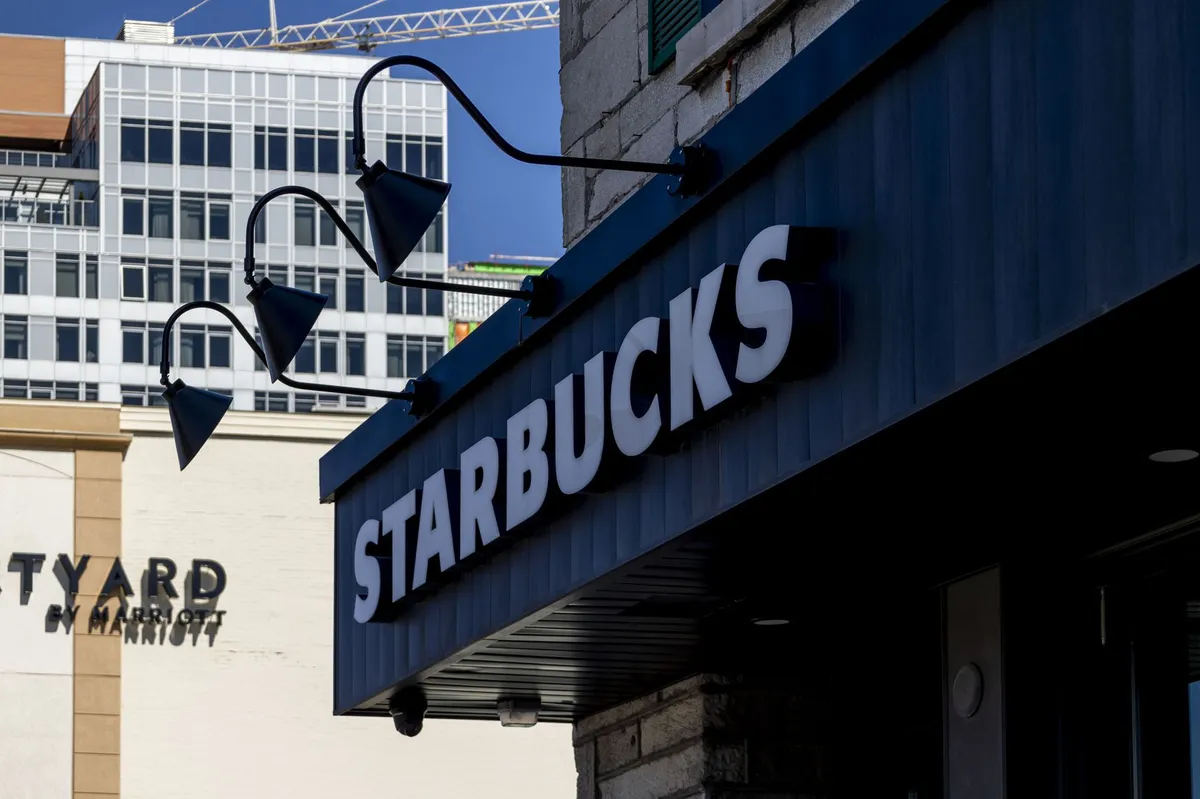
The 2nd Circuit's ruling emerged from a case involving Starbucks' iconic 23,000-square-foot store located in Manhattan’s Meatpacking District, a location known for its unique “steampunk hipster vibe.” According to the court, the NLRB had not taken into account the legitimate interests of Starbucks in maintaining its desired public image. Specifically, the court criticized the NLRB's previous findings that dress codes could infringe upon employees' rights to advocate for unionization, arguing that such interpretations could lead to the invalidation of numerous workplace dress codes.
The court's ruling reinstated Starbucks' right to dictate employee attire, including the use of brown aprons and muted-colored collared shirts instead of the standard green and black uniforms. Workers at this location can wear a limited selection of approved shirts and pins that support various social causes, including military veterans and Black Lives Matter, but they are restricted from displaying union insignia freely.
Legal Precedents and Broader Implications
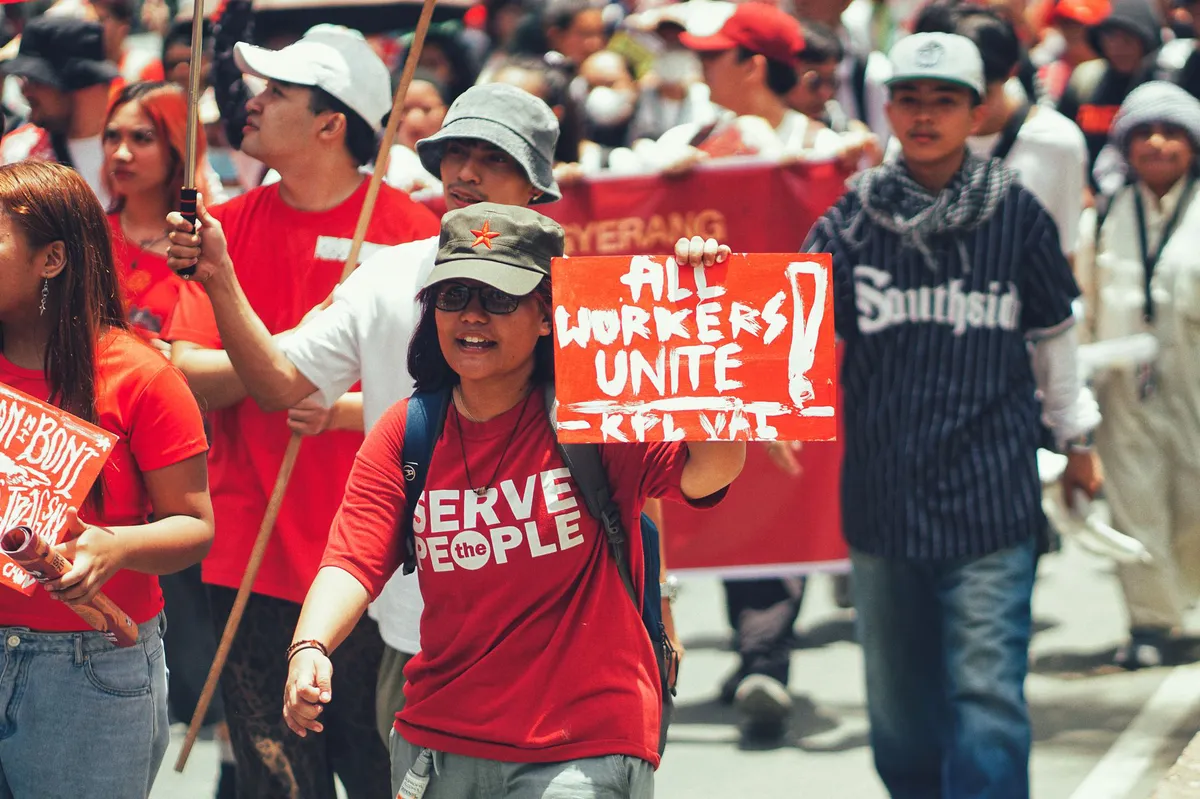
The 2nd Circuit’s decision aligns with previous rulings from other courts that have similarly sided with employers regarding dress codes. For instance, a St. Louis-based court ruled that Home Depot could prohibit employees from writing “Black Lives Matter” on their work aprons. In another case, Tesla was permitted to bar factory workers from wearing union t-shirts. Such rulings suggest a trend wherein courts are increasingly favoring employer interests in maintaining specific workplace aesthetics over workers' rights to express union affiliations.
Legal experts note that these decisions reflect a significant balancing act. The courts are tasked with weighing employers’ rights to maintain their brand image against employees’ rights to engage in collective bargaining and union activities. The NLRB’s prior stance, which demanded that employers justify any restrictions on union-related attire, is now viewed by some courts as overly burdensome for businesses.
The Evolving Landscape of Unionization
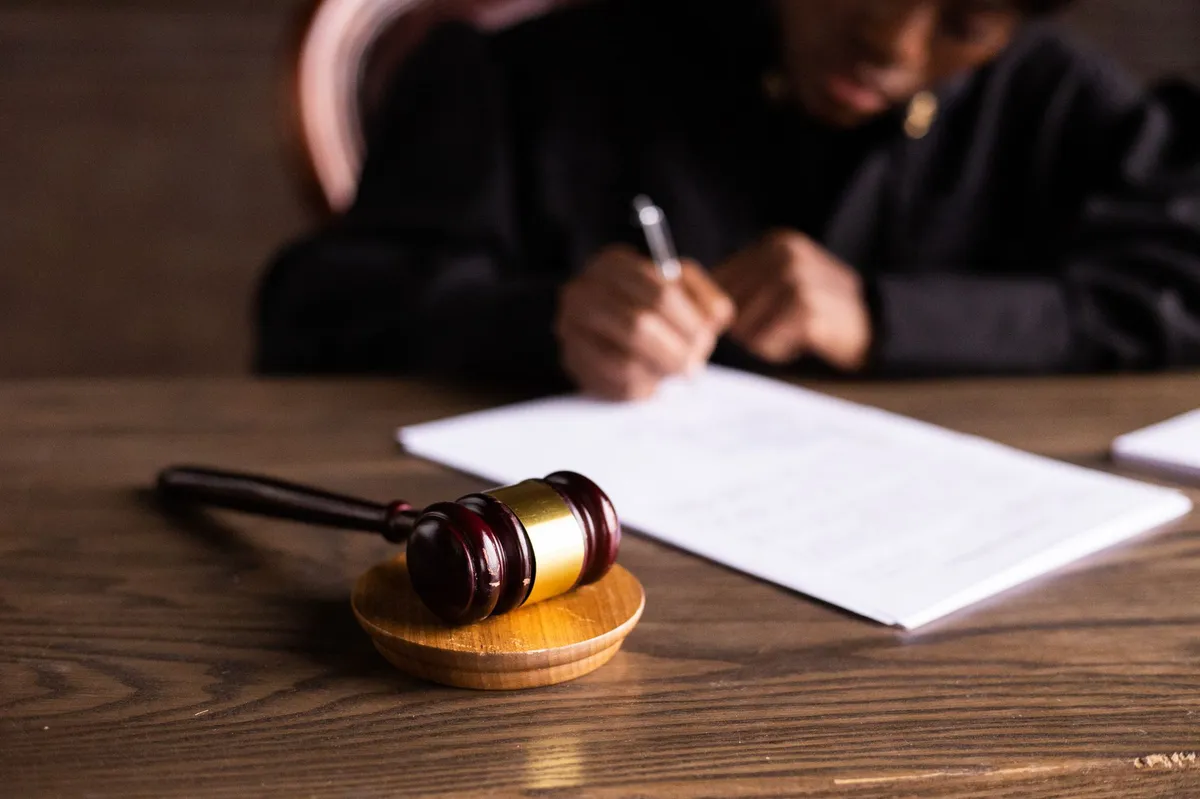
Starbucks has found itself at the forefront of a nationwide surge in unionization efforts, with workers at over 700 locations voting to join unions since the first successful unionization at the Manhattan store in 2022. This growing movement has been met with a series of complaints filed with the NLRB, alleging that Starbucks has engaged in unlawful labor practices designed to stifle these efforts.
The current ruling arrives during a time when the rights of workers and their ability to organize are under significant scrutiny. Many labor advocates argue that dress code regulations should evolve to reflect the rights of workers to support unions without fear of retaliation. The NLRB, previously composed of a Democratic majority, has seen a shift to a Republican-majority board, further complicating the landscape for labor rights as interpretations of employee protections may shift.
What This Means for Employers and Employees
For employers, this ruling reinforces the legal backing to enforce dress codes that align with brand image and corporate identity. Businesses may feel emboldened to implement stricter dress code policies, knowing that courts are likely to support their right to establish guidelines that they believe enhance their public persona.
However, employees must remain vigilant in understanding their rights. The ability to express support for unions through attire is a critical facet of labor rights, and the legal landscape is continually evolving. Workers should be aware of their rights to organize and advocate for better working conditions and be prepared to challenge policies that may infringe upon these rights.
Key Takeaways
- Recent Ruling: The 2nd U.S. Circuit Court of Appeals upheld Starbucks' right to enforce its dress code.
- Legal Precedents: Similar rulings indicate a judicial trend favoring employer interests in dress code disputes.
- Impact on Unionization: The ruling reflects ongoing tensions between worker rights and employer branding.
- Future Implications: Employees must stay informed about their rights amid shifting labor laws.
- Corporate Image: Employers can leverage this ruling to maintain brand consistency in their workplace.
Frequently Asked Questions
What implications does this ruling have for workers at other companies?
This ruling may set a precedent that could influence dress code policies in various sectors. Workers at other companies may face similar restrictions regarding attire that supports unionization, as courts seem to be siding with employers' rights to control the workplace environment. Employees should be proactive in understanding their rights and advocating for policies that support their ability to organize.
How can employees respond to restrictive dress codes?
Employees facing restrictive dress codes that they believe infringe upon their rights to express support for unions should first engage in dialogue with their employers. If these discussions do not yield positive results, they may consider filing complaints with the NLRB or seeking legal counsel. Understanding the nuances of labor law and the specific provisions governing their rights is essential for effective advocacy.
What role does public image play in workplace policies?
Public image is a significant factor for many companies, particularly in consumer-facing industries like retail and hospitality. Employers often argue that dress codes are essential for maintaining a cohesive brand image and professional appearance. However, this can conflict with employee rights, leading to legal challenges that seek to balance these competing interests.
Is this ruling likely to affect future unionization efforts?
The ruling could create a chilling effect on unionization efforts if employees feel that their ability to express support for unions through attire is restricted. However, it may also galvanize labor advocates to push for clearer protections regarding workers’ rights to express their affiliations. The evolving legal landscape means that both employers and employees must stay informed about their rights and responsibilities related to labor relations.
Comments
Navigating AI Coverage: What Retail Brokers Must Know Now
As AI technologies evolve, retail brokers face challenges in securing appropriate cyber coverage. Understanding the nuances of AI-related risks is crucial for effective policy negotiation.

Related articles
Popular in Business Insurance
- Surging War-Risk Insurance Rates in the Strait of Hormuz: What It Means for Shipping
- Ross & Yerger Insurance Faces Class Action Over Data Breach Allegations
- Sompo Expands U.S. Workers' Compensation Portfolio with Service Insurance Acquisition
- Legal Battle Unfolds Over $1 Million Truck Crash Insurance Payout
- Howden Group's Ambitious Journey Toward IPO and Expansion