U.S. Auto Industry Pushes for Permanent Ban on Chinese Vehicles
Major U.S. automakers are urging Congress to implement a permanent ban on Chinese vehicles, citing economic and national security concerns. This move reflects growing apprehension over the influence of Chinese automakers in the global market and their potential impact on domestic industries.

In a significant move that underscores escalating tensions in the global automotive market, a coalition of major U.S. automakers has formally requested Congress to enact a permanent ban on Chinese vehicles and their associated technologies. This call to action, spearheaded by the Alliance for Automotive Innovation, reflects deep-seated concerns regarding economic competition and national security. With the automotive landscape evolving rapidly, the implications of this proposed ban resonate beyond the industry, touching on issues of international trade, technological advancement, and consumer safety.
As the automotive industry pivots towards electrification and connectivity, the influence of foreign automakers, particularly those from China, has become increasingly pronounced. The letter sent to the leaders of both the Democratic and Republican parties in Congress by John Bozzella, the Alliance's CEO, highlights the urgency of the situation. Bozzella warns that Chinese manufacturers are flooding global markets with subsidized electric vehicles (EVs) equipped with advanced software and hardware. He argues that while these vehicles have yet to penetrate the U.S. market significantly, the time to act is now.
The Rising Threat of Chinese Automakers
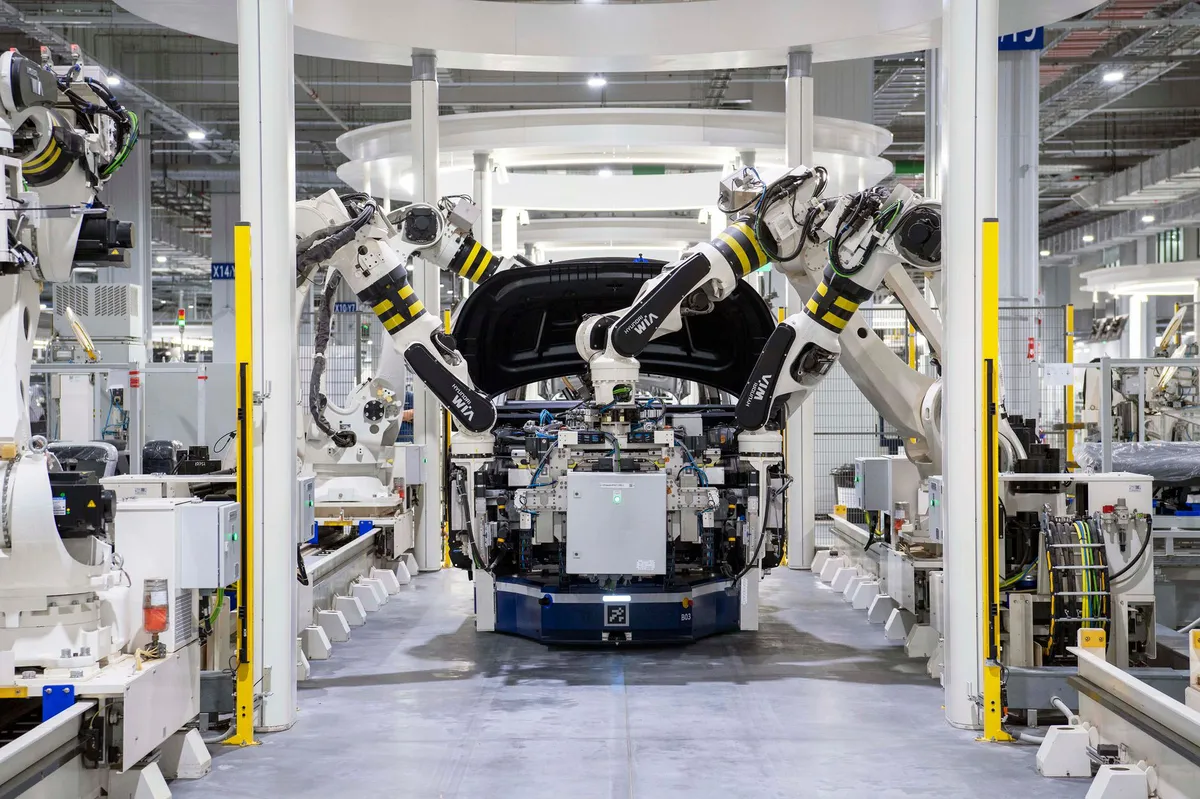
The call for a ban is not new; it echoes a similar plea made earlier this year. However, the current context is more pressing. U.S. automakers such as General Motors, alongside foreign giants like Toyota and Volkswagen, are increasingly concerned about the rapid ascent of companies like BYD and Geely, which are gaining substantial market share worldwide. These firms are leveraging aggressive pricing strategies to export vehicles, particularly in North America, where they are beginning to establish footholds in neighboring countries like Canada and Mexico.
Economic and National Security Concerns
The push for a ban is grounded in fears that Chinese cars could jeopardize both economic stability and national security. By allowing these vehicles into the U.S. market, lawmakers could inadvertently open doors to vulnerabilities in data security and technological espionage. The concerns are particularly acute given the interconnectedness of modern vehicles, which rely on software systems that could be compromised.
- Subsidized Pricing: Chinese automakers are known for their aggressive pricing, which could undercut U.S. manufacturers.
- Market Penetration: Companies like BYD and Geely are rapidly increasing their export capabilities.
- National Security Risks: Connected vehicles could pose cybersecurity threats if manufactured by foreign adversaries.
The Legislative Landscape
Currently, Chinese vehicles face significant barriers to entry in the U.S. market due to high tariffs and existing bans on connected vehicle systems from adversarial nations. However, the automotive industry is advocating for a more permanent legislative solution that would solidify these restrictions. A number of bills are under consideration in Congress aimed at reinforcing these protective measures, including one that recently advanced through a Senate committee.
Key Legislative Measures
The proposed legislation would not only reinforce current tariffs but also establish comprehensive bans on the importation of Chinese vehicles and their technologies. This would involve collaboration between lawmakers and industry stakeholders to ensure that the U.S. automotive sector remains competitive and secure.
Implications for Consumers and the Automotive Market
The potential ban on Chinese vehicles could have far-reaching implications for American consumers. While the primary focus of the ban is to protect domestic manufacturers, it might inadvertently limit consumer choices in the growing EV market. As Chinese automakers continue to innovate and produce affordable, tech-rich vehicles, American consumers could miss out on competitive pricing and cutting-edge technology.
Consumer Considerations
For consumers, the implications of this legislative push are complex. On one hand, a ban could protect jobs in the U.S. auto industry and bolster national security. On the other hand, it could stifle competition, leading to higher prices and fewer options. The balance between protecting American interests and fostering a competitive marketplace is delicate, and policymakers will need to weigh these factors carefully.
Global Context and Future Outlook
The move to ban Chinese vehicles is part of a broader trend of protectionism observed in various sectors, driven by national security concerns and economic competition. As countries grapple with globalization's challenges, the automotive industry finds itself at the forefront of this debate. The U.S. auto sector must navigate these waters carefully to ensure it remains robust against foreign competition while still embracing innovation and technological advancement.
The Road Ahead
As the U.S. prepares to make critical decisions regarding its automotive future, the implications of this proposed ban will likely reverberate across the industry and beyond. Automakers, lawmakers, and consumers alike will need to stay informed about developments in this area, as the outcome could shape the landscape of the automotive market for years to come.

Key Takeaways
- Permanent Ban Proposal: Major U.S. automakers are urging Congress to enact a permanent ban on Chinese vehicles.
- National Security Risks: The interconnected nature of modern vehicles raises concerns about cybersecurity and data privacy.
- Legislative Action Required: Several bills are currently under consideration to solidify restrictions on Chinese automotive imports.
- Consumer Choices: A ban could limit competition and consumer options in the growing EV market.
Frequently Asked Questions
Why are U.S. automakers concerned about Chinese vehicles?
U.S. automakers are concerned that Chinese vehicles, equipped with advanced technology, could threaten domestic economic interests and national security. The fear is that these vehicles could be used for espionage or could compromise data security due to their connected nature.
What are the current restrictions on Chinese vehicles in the U.S.?
Currently, Chinese vehicles face high tariffs and bans on connected vehicle systems from adversarial nations. These measures have effectively barred most Chinese cars from entering the U.S. market, but automakers are seeking a more permanent legislative solution to reinforce these barriers.
How might a ban on Chinese vehicles impact consumers?
A potential ban on Chinese vehicles could limit consumer options in the automotive market, particularly in the increasingly popular segment of electric vehicles. While it may protect domestic automakers and jobs, it could also lead to higher prices and reduced innovation due to decreased competition.
What are lawmakers doing in response to these concerns?
Lawmakers are considering various bills aimed at reinforcing existing trade restrictions and potentially enshrining a permanent ban on Chinese vehicles and technologies. The outcome of these legislative discussions will significantly impact the future landscape of the U.S. automotive market.
Comments
Insurance Leadership Changes: Key Moves at HDI, USAA, Davies, WTW, and ISC Group
This week, several prominent insurance organizations announced significant leadership changes. From HDI Global's new chief commercial officer to USAA's board appointment of retired Vice Admiral Craig Clapperton, these shifts reflect strategic realignments in the industry.

Related articles






Popular in Business Insurance
- Surging War-Risk Insurance Rates in the Strait of Hormuz: What It Means for Shipping
- Ross & Yerger Insurance Faces Class Action Over Data Breach Allegations
- Sompo Expands U.S. Workers' Compensation Portfolio with Service Insurance Acquisition
- Legal Battle Unfolds Over $1 Million Truck Crash Insurance Payout
- Howden Group's Ambitious Journey Toward IPO and Expansion