New York Closes Staged Accident Fraud Loophole: A New Era for Insurance
New York has enacted new legislation to combat staged auto accidents, closing a loophole that allowed fraudsters to exploit insurance systems. This move represents a significant step in the fight against auto fraud, backed by both state and national efforts.
In a significant move to combat insurance fraud, New York has enacted legislation that explicitly addresses staged auto accidents—a tactic that has long plagued the insurance industry. This new law closes a loophole that allowed individuals to orchestrate such schemes without facing direct legal consequences. The Professional Insurance Agents of New York (PIANY), which has been advocating for this change for years, celebrated the passage as a victory not just for the organization, but for the entire insurance community and consumers alike.
This legislative win comes against a backdrop of broader national efforts to tackle auto insurance fraud. With the introduction of the Stop Auto Fraud Act of 2026 in Congress, the focus on combating fraudulent schemes is gaining momentum. The new state law serves as a crucial interim measure, paving the way for more comprehensive federal regulations.
Understanding Staged Accident Fraud
Staged accident fraud occurs when individuals deliberately create fake car accidents to collect insurance payouts. This practice can take various forms, including:
- Fronting: Where a driver intentionally causes a minor accident while another driver is complicit.
- Phantom passengers: When individuals claim that non-existent passengers were involved in an accident.
- Braking suddenly: Intentionally stopping in front of an unsuspecting driver to provoke a rear-end collision.
These schemes not only drive up insurance premiums for honest policyholders but also undermine the integrity of the insurance system. By enacting this legislation, New York aims to deter potential fraudsters and protect consumers from the financial repercussions of these illicit activities.

The Legislative Journey
The passage of this law was a result of persistent lobbying by PIANY, which has long recognized the detrimental effects of staged accident fraud on both consumers and the insurance industry. The legislative session of 2026 was particularly productive, with the organization achieving multiple victories, including:
- **Third-party litigation funding regulation:** This measure aims to introduce greater transparency and fairness in lawsuit lending, addressing concerns that such funding can lead to inflated claims.
- **Repeal of anti-arson application requirements:** This repeal eases compliance burdens for property owners and agents, particularly in New York City.
Each of these legislative changes highlights PIANY's ongoing commitment to advocating for fair and equitable insurance practices in New York.
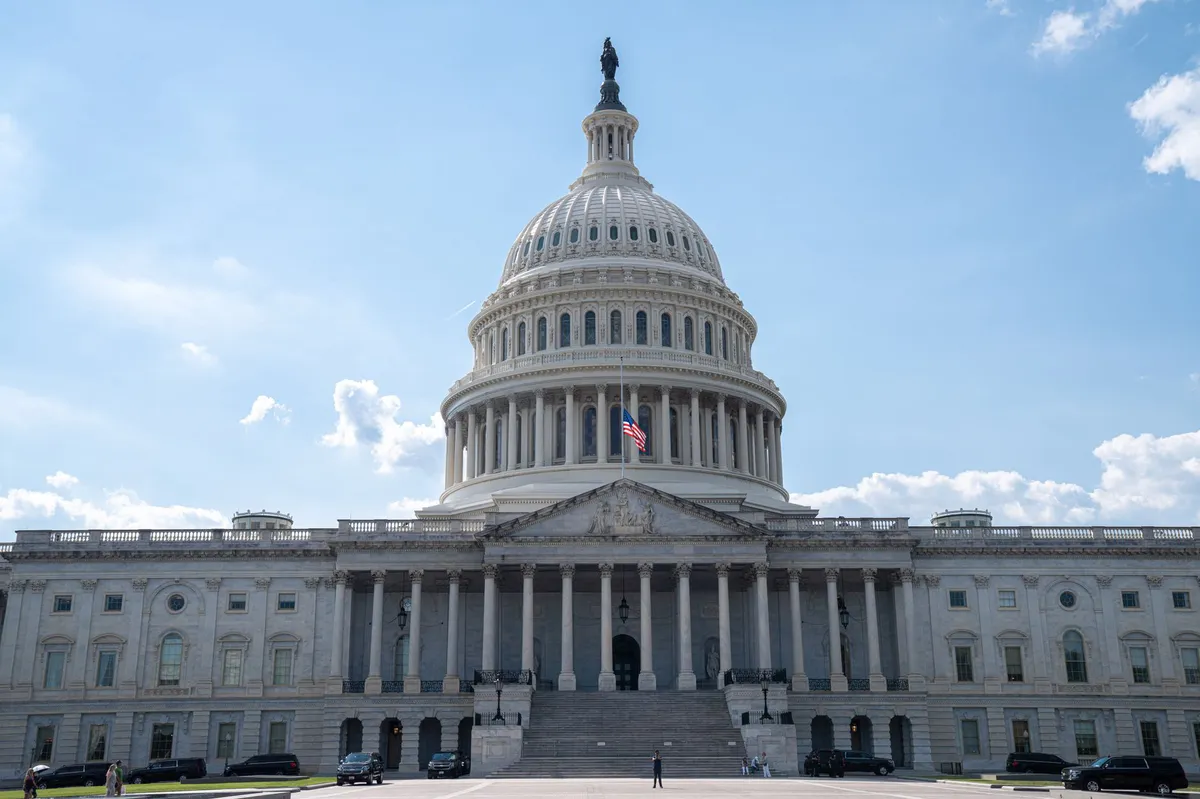
A Broader National Context
The new law in New York aligns with a growing national awareness of the need to combat auto insurance fraud. The Stop Auto Fraud Act of 2026, recently introduced in Congress, seeks to provide federal-level solutions to similar problems facing consumers across the country. With the backing of the American Property Casualty Insurance Association, this proposed legislation aims to:
- **Establish federal penalties** for those found guilty of orchestrating staged accidents.
- **Enhance cooperation between state and federal agencies** to make tracking and prosecuting fraud easier.
- **Provide resources for public awareness campaigns** to educate consumers on recognizing and reporting fraud.
By closing the state-level loophole in New York, lawmakers hope to set a precedent that will influence similar legislation in other states and support the federal initiative.

Recognition of Industry Leaders
The legislative successes were celebrated during PIANY's recent annual business meeting held on September 9 at the Albany Hilton. During the meeting, several industry professionals received awards for their contributions to the insurance community. Notable recognitions included:
- Leslie Driscoll: Named Professional Agent of the Year for her outstanding service and commitment to professionalism.
- Robert Rovello: Honored as Company Person of the Year for his relationship-building efforts with independent agents.
- Assemblyman Ken Blankenbush: Received the Distinguished Insurance Service award for his long-standing contributions to the regional insurance community.
- Maria Thomas: Recognized as Committee Chair of the Year for her leadership in fundraising efforts for the Long Island Insurance Community.
The celebration of these individuals underscores the importance of collaboration and dedication within the insurance sector, essential for navigating challenges and ensuring consumer protection.
Implications for Consumers and Insurance Agents
The new legislation has significant implications for both consumers and insurance agents across New York. For consumers, the law enhances protection against fraudulent claims, which can lead to higher premiums and a less stable insurance market. As staged accidents become less viable due to increased legal risks, consumers can expect a more equitable insurance environment.
For insurance agents, the law provides an opportunity to educate clients about the dangers of fraud and the importance of maintaining honest practices. Agents can use this legislation as a talking point to reinforce their commitment to ethical standards, which not only benefits their clients but also enhances their professional reputation.
Key Takeaways
- New York's new law closes loopholes allowing staged auto accident fraud.
- The legislation aligns with national efforts to combat auto fraud through the Stop Auto Fraud Act.
- PIANY's advocacy has led to multiple legislative successes, improving the insurance landscape.
- Industry recognition highlights the contributions of professionals committed to ethical practices.
Frequently Asked Questions
What is staged accident fraud and how does it affect me?
Staged accident fraud involves intentionally creating fake accidents to collect insurance payouts. This practice increases overall insurance costs, as insurers pass the costs of fraudulent claims onto honest policyholders in the form of higher premiums. By enacting laws to combat this fraud, consumers can expect a reduction in fraudulent activities, ultimately leading to fairer insurance pricing.
How does the new legislation impact insurance agents?
The new legislation provides insurance agents with a framework to discuss the importance of ethical practices with their clients. As the law increases the risks associated with orchestrating staged accidents, agents can reinforce the benefits of honesty in insurance dealings, enhancing their credibility and the trust clients place in them.
What is the Stop Auto Fraud Act and how is it connected to New York's legislation?
The Stop Auto Fraud Act is a federal bill introduced to address auto insurance fraud on a national scale. It aims to impose penalties for orchestrating staged accidents and to enhance cooperation between state and federal agencies. New York's state legislation complements this effort by closing existing loopholes at the state level, serving as a model for other states to follow.
How can consumers report suspected fraud?
Consumers who suspect fraud can report it to their insurance company or local law enforcement. Many insurers have dedicated fraud hotlines or online reporting systems. Additionally, state insurance departments often have resources available to help consumers understand how to identify and report fraudulent activities. Reporting fraud helps protect not only the individual consumer but also the integrity of the insurance system as a whole.
Comments
Private Equity's Influence on Insurance Broker Dynamics: A Closer Look
Recent leadership changes at Third Wave Insurance highlight the growing influence of private equity in the insurance brokerage sector. As seasoned executives transition into key roles, the implications for mergers and acquisitions in the industry are significant.
Related articles





Popular in Business Insurance
- Surging War-Risk Insurance Rates in the Strait of Hormuz: What It Means for Shipping
- Ross & Yerger Insurance Faces Class Action Over Data Breach Allegations
- Sompo Expands U.S. Workers' Compensation Portfolio with Service Insurance Acquisition
- Legal Battle Unfolds Over $1 Million Truck Crash Insurance Payout
- Howden Group's Ambitious Journey Toward IPO and Expansion