Driscoll's Faces Class-Action Lawsuit Over Environmental Claims and Chemicals
Driscoll's, a leading berry producer, is under fire for alleged greenwashing and the use of harmful pesticides. This article explores the implications of the lawsuit and what it means for consumers and the agricultural industry.

The agricultural industry is in the spotlight as Driscoll's Inc., the world’s largest berry producer, faces a class-action lawsuit alleging that it misled consumers about its environmental practices. Filed in California’s Superior Court, the lawsuit claims that Driscoll's engaged in greenwashing—promoting a false image of sustainability while neglecting to disclose the potential hazards associated with its products. Central to the case is the use of pesticides containing per- and polyfluoroalkyl substances (PFAS), often referred to as "forever chemicals" due to their persistent nature in the environment and human body. This situation raises critical questions about the transparency of agricultural practices and the responsibility of companies to inform consumers about the safety of their food.
The plaintiffs contend that Driscoll's marketing materials promote an image of environmentally friendly farming practices, yet independent testing has revealed contamination with pesticide residues, including those classified as PFAS. With growing consumer awareness about food safety and environmental issues, the lawsuit underscores the critical need for accountability in the food supply chain.
Understanding Greenwashing and Its Implications
Greenwashing refers to the practice of misleading consumers regarding the environmental practices of a company or the environmental benefits of a product. This can manifest in exaggerated claims about sustainability, often to attract consumers who are increasingly concerned about ecological impacts. In the case of Driscoll's, the plaintiffs argue that the company’s marketing efforts have created a false narrative that significantly influences purchasing decisions.
Legal Context
The class-action lawsuit cites multiple legal violations, including false advertising and unfair competition, as outlined in California's Consumer Legal Remedies Act. Under this act, businesses are prohibited from engaging in deceptive practices that harm consumers. The plaintiffs claim that Driscoll's has not only misrepresented its environmental stewardship but has also jeopardized consumer trust, which is vital in an era where transparency is increasingly demanded.
The Role of PFAS
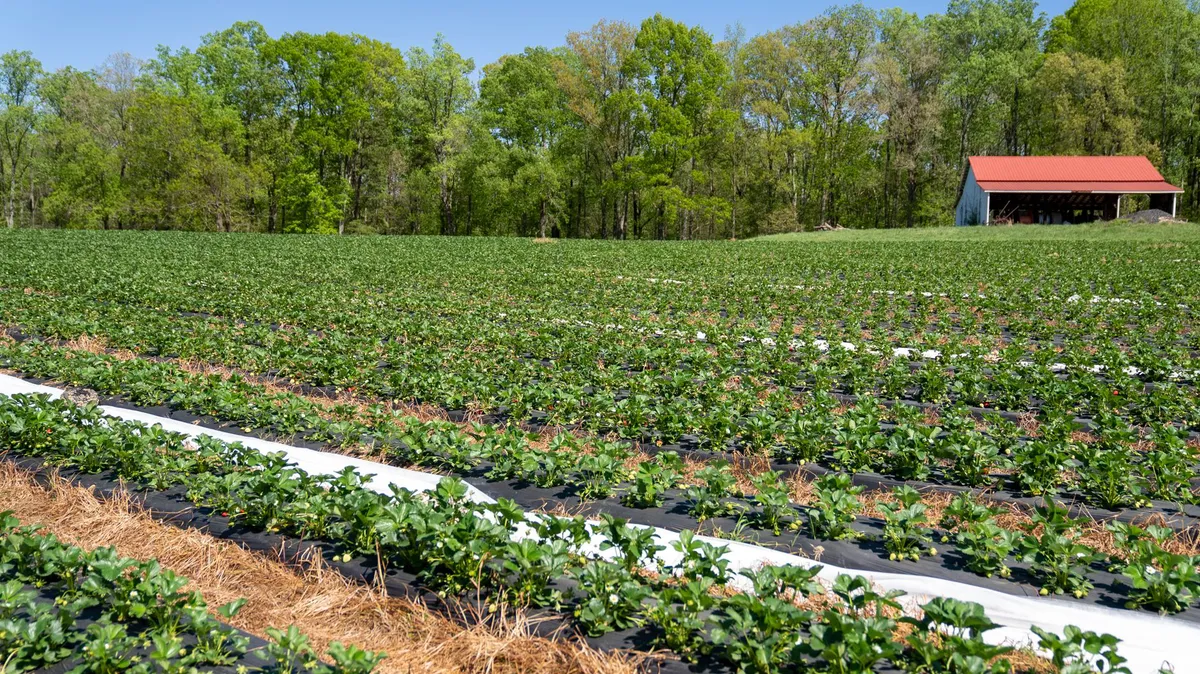
PFAS are a group of synthetic chemicals used in various industries for their water- and grease-resistant properties. They have gained notoriety for their persistence in the environment and human body, leading to serious health risks, including cancer and hormone disruption. The lawsuit alleges that Driscoll's strawberries tested positive for residues of several pesticides, including eight substances classified as PFAS. This revelation points to a potential violation of both consumer trust and regulatory standards, as consumers are becoming more aware of the dangers associated with these chemicals.

The Impact on Consumers
For the average consumer, the implications of this lawsuit are significant. With the increasing awareness of environmental issues, many consumers are making purchasing decisions based on perceived sustainability. The lawsuit highlights the potential for companies to exploit these sentiments through misleading claims, which can ultimately erode trust in the food supply. This raises important considerations for consumers, including:
- Informed Choices: Consumers need to be vigilant about the products they purchase and the claims made by companies.
- Demand for Transparency: The growing consumer base is pushing for clearer labeling and honest marketing practices.
- Awareness of Chemicals: Understanding what chemicals are present in food is essential for making health-conscious decisions.

Driscoll's Response
In reaction to the lawsuit, Driscoll's has firmly rejected the allegations, asserting that the claims are baseless. The company maintains that it adheres to rigorous food safety and compliance programs and meets all applicable regulatory requirements. A spokesperson for Driscoll's emphasized the company's long-standing commitment to quality and integrity in their farming practices. They stress that their reputation is built on trust and transparency, pointing out that their products are safe to consume.
Moreover, Driscoll's highlights its compliance with federal, state, and local regulations, which are designed to ensure food safety. However, the lawsuit raises questions about the adequacy of these regulations in protecting consumers, especially as awareness of chemical residues in food grows.
Broader Industry Implications
This lawsuit against Driscoll's is not an isolated incident. It reflects a broader trend within the agricultural and food production sectors as consumers demand greater accountability regarding product safety and environmental impact. Other companies in the food industry could face similar scrutiny as consumers become more knowledgeable about the implications of their purchasing decisions.
Potential Changes in Regulations
As public awareness increases, regulatory bodies may also respond by tightening regulations surrounding pesticide use and consumer information. This could lead to more stringent testing and labeling requirements for agricultural products to ensure that consumers are fully informed about what they are buying. Companies may need to invest more in sustainable practices and transparent marketing to avoid potential legal repercussions.
Key Takeaways
- Driscoll's faces a class-action lawsuit for alleged greenwashing and PFAS contamination.
- The lawsuit highlights the importance of transparency in agricultural practices.
- Consumers are increasingly concerned about the environmental impact of their food choices.
- Driscoll's maintains its products meet safety standards and rejects the allegations.
- The case could prompt broader regulatory changes in the food production industry.
Frequently Asked Questions
What are PFAS and why are they called “forever chemicals”?
PFAS, or per- and polyfluoroalkyl substances, are a group of man-made chemicals that have been used in various industries for their resistance to heat, water, and oil. They are often referred to as “forever chemicals” because they do not break down naturally in the environment, leading to accumulation in soil, water, and living organisms. Their persistence raises significant health and environmental concerns.
What does greenwashing mean in the context of food production?
Greenwashing in food production refers to the practice of companies promoting their products as environmentally friendly or sustainable without substantiating these claims. This can mislead consumers who are looking for safe and responsible food choices, ultimately undermining trust in the industry.
How can consumers protect themselves from misleading claims?
Consumers can protect themselves by researching products and companies before making purchases. This includes looking for third-party certifications, reading labels carefully, and staying informed about the latest developments in food safety and environmental issues. Additionally, supporting brands that prioritize transparency and sustainability can encourage better practices in the industry.
What could be the legal consequences for Driscoll's if they lose the lawsuit?
If Driscoll's loses the lawsuit, the company may face significant financial penalties, including damages awarded to plaintiffs and potential costs associated with changing its business practices. This could also lead to stricter oversight and regulation, impacting the company's operations and reputation in the long run. Additionally, it may prompt other companies to reassess their marketing and operational strategies to avoid similar legal challenges.
Comments
NICB Appoints Marta Magnuszewska as Chief Information and Technology Officer
The National Insurance Crime Bureau has appointed Marta Magnuszewska as its new Chief Information and Technology Officer, a move that signals a stronger focus on data-driven fraud prevention in insurance.

Related articles







Popular in Business Insurance
- Surging War-Risk Insurance Rates in the Strait of Hormuz: What It Means for Shipping
- Ross & Yerger Insurance Faces Class Action Over Data Breach Allegations
- Sompo Expands U.S. Workers' Compensation Portfolio with Service Insurance Acquisition
- Legal Battle Unfolds Over $1 Million Truck Crash Insurance Payout
- Howden Group's Ambitious Journey Toward IPO and Expansion