Navigating Compound Disasters: Challenges for States Amid Federal Cuts
Recent overlapping disasters across the U.S. highlight the increasing risks posed by climate change and the impact of federal funding cuts on emergency preparedness. Experts call for enhanced local resilience and preparedness to tackle these challenges.
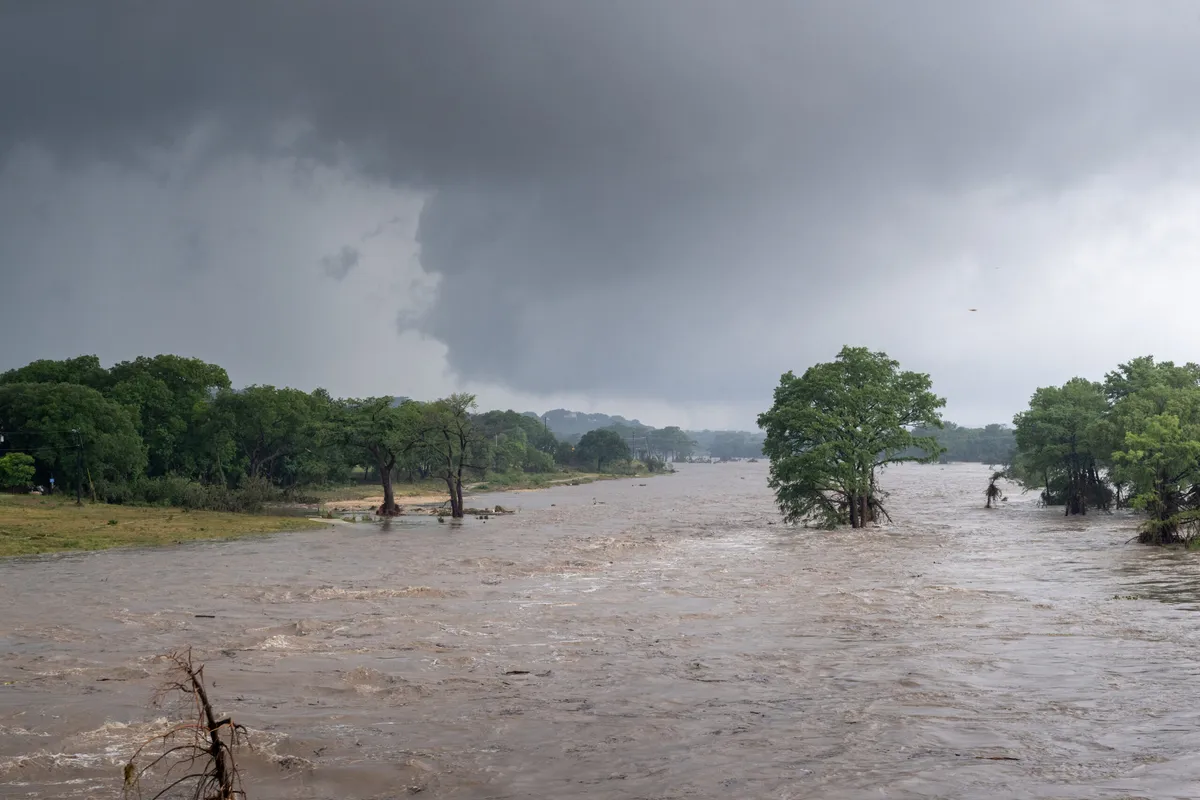
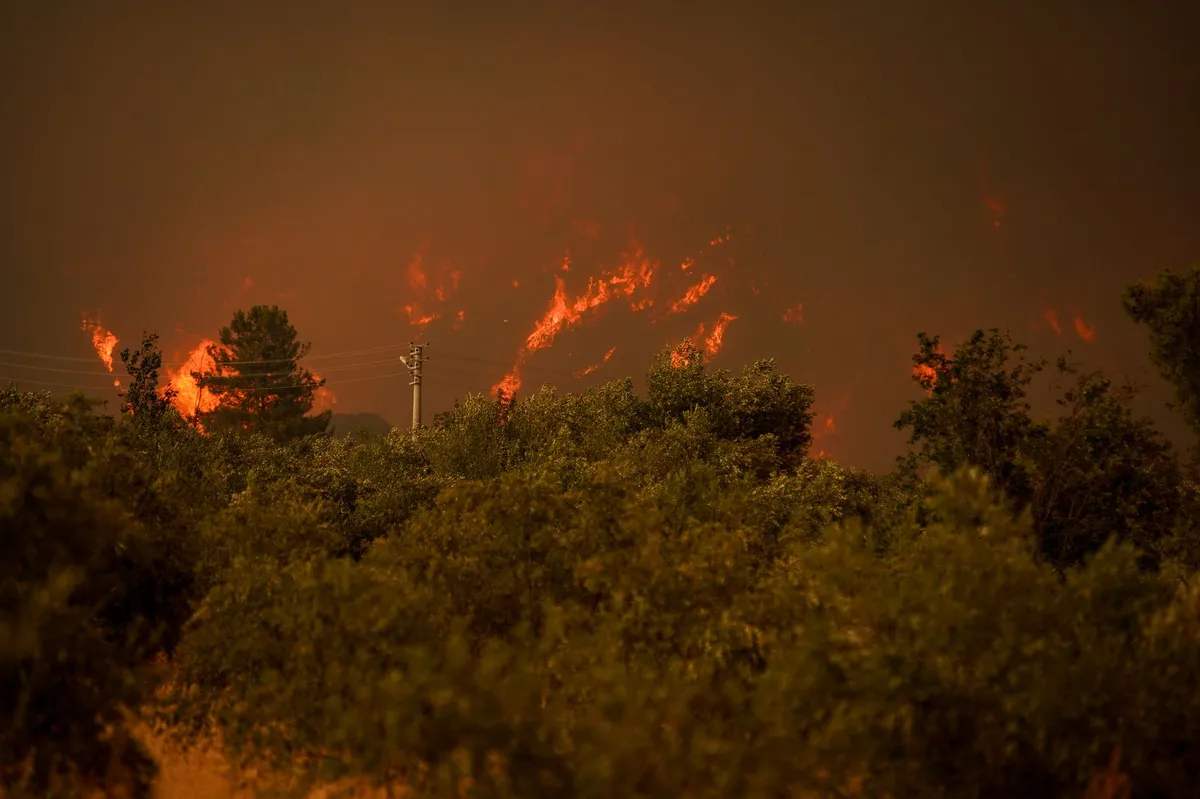
As the frequency and intensity of natural disasters continue to escalate across the United States, communities find themselves grappling with the compounded effects of multiple crises. Recent events, including the darkening skies from Canadian wildfire smoke over the Midwest and Northeast, extreme heat waves on the East Coast, and catastrophic flooding in Texas, exemplify the challenges posed by overlapping disasters. These situations, known as compound events, are increasingly common as climate change exacerbates weather extremes. However, the ability of states and localities to respond effectively is being hindered by significant cuts to federal disaster relief funding, particularly under the Trump administration.
Experts warn that the combination of worsening climate conditions and diminished federal resources creates a precarious situation for emergency management. The Federal Emergency Management Agency (FEMA), which historically provided crucial support during disasters, has seen its funding and resources slashed, leaving many states to fend for themselves amid escalating crises. This article delves into the implications of these overlapping disasters, the strain on local resources, and the pressing need for enhanced preparedness and resilience at the community level.
The Rise of Compound Events
Climate scientists have observed a troubling trend: the increasing likelihood of compound disasters. These events occur when multiple extreme weather phenomena transpire simultaneously or in quick succession, amplifying their overall impact on communities. John Abatzoglou, a climatologist at the University of California at Merced, explains that as one type of extreme weather becomes more prevalent, the chances of experiencing another type concurrently also rise. For instance, during intense heat waves, the risk of wildfires increases, which can worsen air quality and lead to health crises.
This interconnectedness of climate events means that local officials must navigate complex challenges when responding to disasters. The current situation in New York, where smoky skies coincide with extreme heat, illustrates this dilemma. Officials may advise families to cool off at local splash pads, but this advice becomes dangerous when air quality is compromised. The overlap of crises can lead to conflicting guidance and overwhelming demands on emergency services, further complicating response efforts.

The Strain on Local Resources
As disasters sequentially impact the same areas, local emergency management teams quickly become stretched thin. Josh Morton, president of the International Association of Emergency Managers, highlights how every disaster begins with a local response, which is then escalated to state and federal levels as resources dwindle. However, when multiple disasters occur rapidly, local resources can become overwhelmed before adequate support can arrive from higher levels of government.
In central Texas, communities are still recovering from devastating floods last year that claimed over a hundred lives. Now, as they face new flooding threats, local officials are forced to divert attention and resources from ongoing recovery efforts to address the new crisis. This creates a cycle of vulnerability, where communities are left exposed to risks due to insufficient recovery time between disasters. As Morton notes, the need for timely and effective assistance becomes even more critical when multiple locations are besieged by disasters simultaneously.

Impacts of Federal Funding Cuts
One of the most significant challenges facing state and local governments is the reduction in federal funding for disaster preparedness and recovery. Under the Trump administration, FEMA's budget for essential preparedness initiatives has been curtailed, leaving states with fewer resources to mitigate risks and enhance their emergency response capabilities. Jeffrey Schlegelmilch, faculty director of the National Center for Disaster Preparedness at Columbia University, emphasizes the importance of federal support for local preparedness efforts, stating, “We really do need to spend more money on the preparedness side.” Without adequate funding, local governments are forced to rely heavily on federal assistance, which may not be readily available during widespread crises.
Building Community Resilience
Experts argue that investing in community resilience is essential to effectively address the challenges posed by compound disasters. Resilience refers to the capacity of a community to anticipate, prepare for, respond to, and recover from adverse events. Building resilience involves various strategies, including enhancing infrastructure, improving emergency response planning, and fostering community engagement.
- Infrastructure improvements: Upgrading drainage systems, reinforcing buildings, and creating green spaces can help mitigate the impacts of flooding and heat.
- Emergency response planning: Developing comprehensive disaster response plans that account for overlapping events can improve coordination among local agencies.
- Community engagement: Educating residents about disaster preparedness can empower them to take proactive measures to protect themselves and their families.
By prioritizing these strategies, communities can better equip themselves to face the increasing frequency of compound disasters, reducing their reliance on federal assistance and improving overall resilience.
Key Takeaways
- Compound disasters are becoming more frequent due to climate change, requiring adaptive strategies.
- Federal cuts to FEMA funding have left local governments underprepared for overlapping crises.
- Investing in community resilience and preparedness is essential for effective disaster response.
Frequently Asked Questions
What are compound disasters?
Compound disasters refer to instances where multiple extreme weather events occur simultaneously or in rapid succession, leading to compounded impacts on communities. For example, a heat wave followed by flooding can create significant challenges for emergency responders and local governments, as each event may require different response strategies and resources.
How do federal funding cuts affect disaster preparedness?
Federal funding cuts, particularly to FEMA, limit the resources available for state and local governments to prepare for and respond to disasters. This can hinder efforts to improve infrastructure, develop emergency response plans, and provide training for emergency personnel. As a result, communities may become more vulnerable to the impacts of escalating weather events, leading to longer recovery times and increased reliance on federal assistance during crises.
What can communities do to enhance their resilience?
Communities can enhance their resilience by investing in critical infrastructure improvements, developing comprehensive emergency response plans, and engaging residents in disaster preparedness initiatives. By prioritizing these efforts, communities can better equip themselves to handle the challenges posed by compound disasters, reducing their dependence on external assistance and improving overall safety and well-being.
Comments
NICB Appoints Marta Magnuszewska as Chief Information and Technology Officer
The National Insurance Crime Bureau has appointed Marta Magnuszewska as its new Chief Information and Technology Officer, a move that signals a stronger focus on data-driven fraud prevention in insurance.

Related articles







Popular in Business Insurance
- Surging War-Risk Insurance Rates in the Strait of Hormuz: What It Means for Shipping
- Ross & Yerger Insurance Faces Class Action Over Data Breach Allegations
- Sompo Expands U.S. Workers' Compensation Portfolio with Service Insurance Acquisition
- Legal Battle Unfolds Over $1 Million Truck Crash Insurance Payout
- Howden Group's Ambitious Journey Toward IPO and Expansion