Travelers Takes Mesa Underwriters to Court Over Coverage Dispute
Travelers Indemnity Company is suing Mesa Underwriters for a contentious coverage dispute involving a construction injury. The case raises important questions about insurance obligations and defense costs in construction-related claims.
In a legal battle that underscores the complexities of insurance coverage in the construction industry, Travelers Indemnity Company of Connecticut has initiated a lawsuit against Mesa Underwriters Specialty Insurance Company. Filed on July 22, 2026, in the U.S. District Court for the Southern District of New York, the case revolves around a demolition accident that left a worker injured, prompting questions about the obligations of insurers in such circumstances. At the heart of this dispute is Travelers' claim that Mesa's response to a defense and indemnification request was laden with reservations, raising critical issues regarding the acceptance of insurance tenders and the responsibilities of insurers.
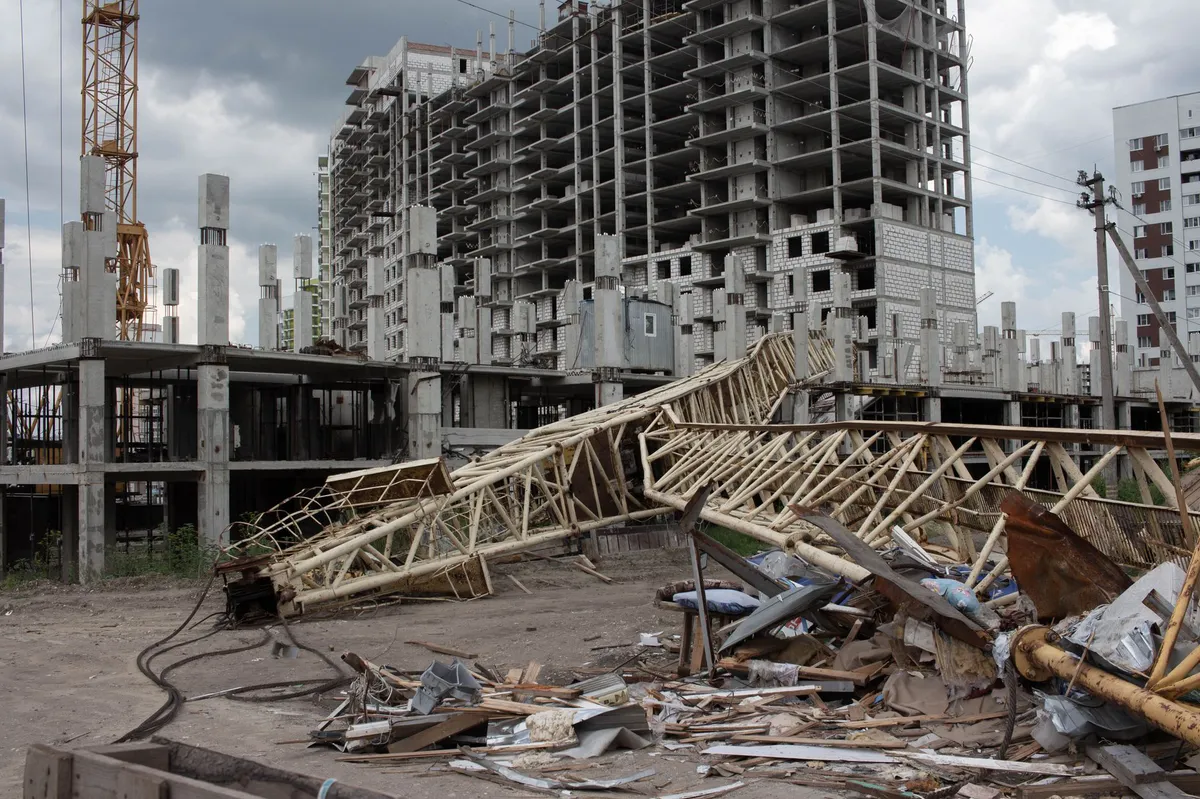
The legal conflict stems from an incident that occurred on July 2, 2025, at 520 Madison Avenue, where a demolition worker fell while performing his duties, leading to serious injuries including a shoulder injury and potential claims of a traumatic brain injury. The worker subsequently filed a lawsuit against the building's owner, 520 Madison Owners LLC, and the general contractor, Coyle Contracting Corp., which highlights the interconnectedness of construction contracts and insurance obligations.
Understanding the Insurance Landscape in Construction
To fully grasp the nuances of this case, it is essential to understand the typical structure of insurance coverage in the construction field. In many construction projects, multiple parties are involved, including general contractors, subcontractors, and property owners. Each of these parties typically carries insurance to protect against various liabilities, and they often enter into contracts that specify who is responsible for what in the event of an accident.
In this case, Dimar Services Corp., the subcontractor responsible for the demolition, was required to name Coyle and 520 Madison as additional insureds on its insurance policy from Mesa. This requirement is common in construction contracts to ensure that anyone involved in the project is covered in case of an incident.
Key Contractual Provisions
Several contractual and policy provisions are crucial to understanding the dispute:
- Additional Insured Endorsements: These are provisions that allow parties to extend their coverage to other parties. In this case, the endorsement from Mesa is intended to cover Coyle and 520 Madison.
- Primary and Non-Contributory Coverage: This means Mesa's policy should respond first to any claims, without requiring Travelers to contribute to the defense or indemnity costs.
- Excess Insurance Clauses: Travelers points to its own policy language that designates its coverage as excess when the insured is also covered under another policy.

The Allegations and Counterarguments
After the worker's injury and subsequent legal action, Travelers submitted a request for Mesa to defend and indemnify Coyle and 520 Madison. However, Mesa's response, dated September 15, 2025, was not as straightforward as Travelers had hoped. The letter included language that reserved Mesa's rights under the policy, explicitly stating that they did not waive any defenses and would not reimburse Travelers for costs already incurred.
This reservation of rights is a critical aspect of the case. When an insurer responds to a tender with such language, it raises questions about whether the insurer is genuinely accepting the responsibility to defend the insured. Travelers argues that Mesa's response effectively denied full acceptance of the tender, thereby complicating the claims process.
Legal Ramifications
The stakes are high in this dispute, particularly because the underlying injury claim is significant. The worker has asserted various serious injuries and is claiming losses that exceed $75,000. As the case progresses, it will be critical to determine who bears the financial burden of the defense costs and indemnification for the worker's claims.

What This Means for Insurers and Policyholders
This case is not just an isolated incident; it reflects broader trends in the insurance industry, particularly regarding defense obligations and reservation of rights. For insurers, the outcome could set important precedents regarding how they handle tender requests and communicate with policyholders about their obligations.
For policyholders—especially in the construction industry—this case serves as a reminder of the importance of clear contractual agreements and understanding the implications of insurance endorsements. Here are some key takeaways for policyholders:
- Clarify Insurance Obligations: Ensure that contracts clearly specify who is responsible for what regarding insurance coverage.
- Understand Reservation of Rights: Be aware that a reservation of rights may indicate that the insurer is not fully accepting its obligations, which can have financial implications.
- Document Everything: Keep detailed records of all communications with insurers regarding coverage and claims.
Key Takeaways
- The lawsuit highlights the complexities of insurance obligations in construction-related injuries.
- Reservation of rights can complicate the acceptance of insurance tenders.
- Understanding contract language is crucial for policyholders to safeguard their interests.
- The outcome may set precedents for how insurers handle similar cases in the future.
Frequently Asked Questions
What is a reservation of rights in insurance?
A reservation of rights is a communication from an insurer indicating that while they will provide a defense for a claim, they are reserving the right to deny coverage later based on specific policy terms or exclusions. This means that the insurer may not fully commit to covering the costs associated with the claim, which can leave the insured in a vulnerable position.
How can I protect myself as a policyholder in construction contracts?
To protect yourself, it's essential to work with knowledgeable legal and insurance professionals when drafting contracts. Ensure that all parties understand their insurance obligations and that clear language is used regarding additional insured endorsements and coverage limits. Regularly review your insurance policies to ensure they meet your current needs.
What should I do if my insurer refuses to indemnify me?
If your insurer refuses to indemnify you after an accident or loss, it's important to document all communications with them and seek legal advice. An attorney experienced in insurance law can help you understand your rights and guide you through the dispute resolution process, which may include litigation if necessary.
Comments
Bridging the Maritime Insurance Gap: Enhancing Seafarer Welfare
As the maritime industry grapples with a shortage of qualified officers, the welfare of seafarers is being prioritized. A new insurance initiative aims to close the coverage gap for crew members once they leave the ship.

Related articles







Popular in Business Insurance
- Surging War-Risk Insurance Rates in the Strait of Hormuz: What It Means for Shipping
- Ross & Yerger Insurance Faces Class Action Over Data Breach Allegations
- Sompo Expands U.S. Workers' Compensation Portfolio with Service Insurance Acquisition
- Legal Battle Unfolds Over $1 Million Truck Crash Insurance Payout
- Howden Group's Ambitious Journey Toward IPO and Expansion