Wildfire Crisis in Europe: Spain and France Struggle Amid Heat Waves
As Spain and France grapple with devastating wildfires exacerbated by extreme heat, local authorities are implementing emergency measures to protect affected communities. The ongoing climate crisis raises urgent questions about future preparedness and recovery efforts.
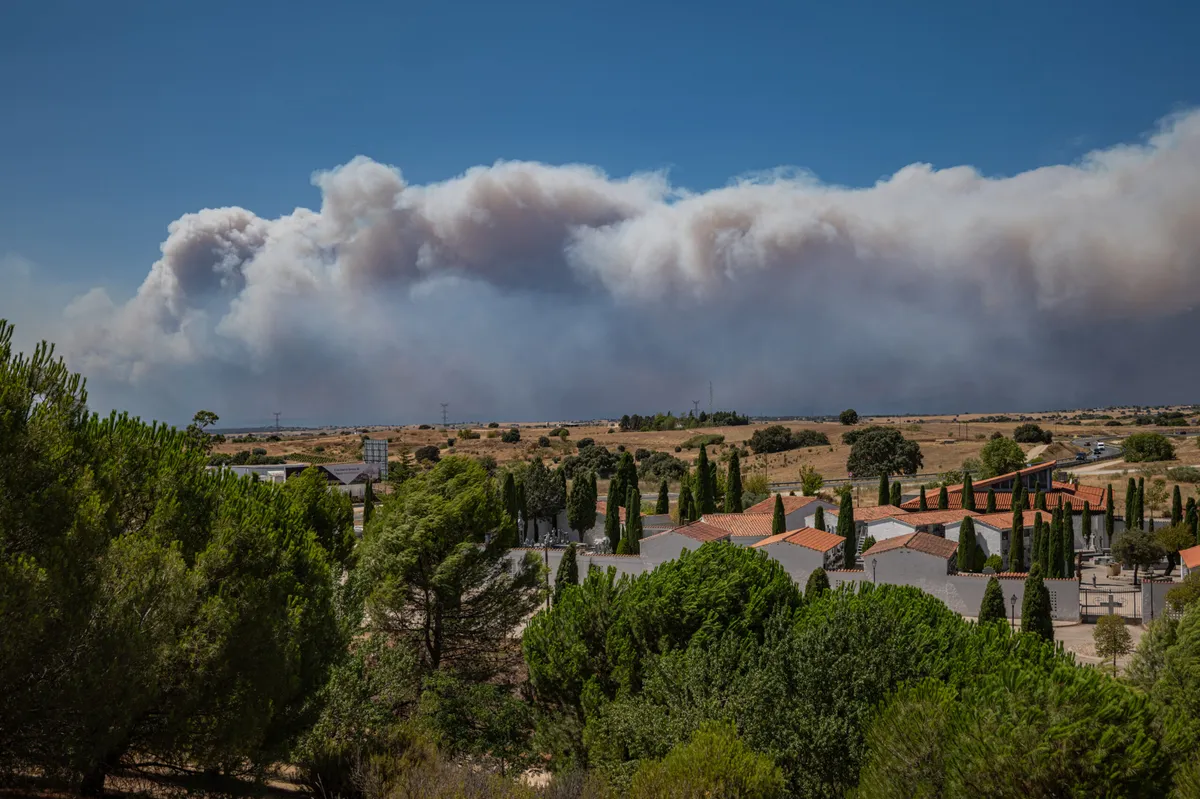
As the summer heat intensifies, Spain and France find themselves at the forefront of a growing wildfire crisis that threatens both lives and livelihoods. With the fourth heat wave of the season bearing down, firefighters are racing against the clock to contain blazes that have already devastated communities near Madrid and Bordeaux. The ongoing situation highlights not just the immediate dangers posed by the fires, but also the long-term implications for public health, environmental sustainability, and emergency response systems in the face of climate change.
The regions affected are enduring relentless high temperatures, with forecasts predicting mercury levels could soar to a staggering 41°C (106°F) in some areas. This extreme heat, combined with dry soil and ongoing drought conditions, creates a perfect storm for wildfires, exacerbating the risks and challenges faced by emergency services. Local authorities in Spain have reported that efforts to contain the wildfires have seen some success; however, the threat remains, particularly for municipalities like Valdemaqueda, where evacuation orders are still in place.
Understanding the Wildfire Context
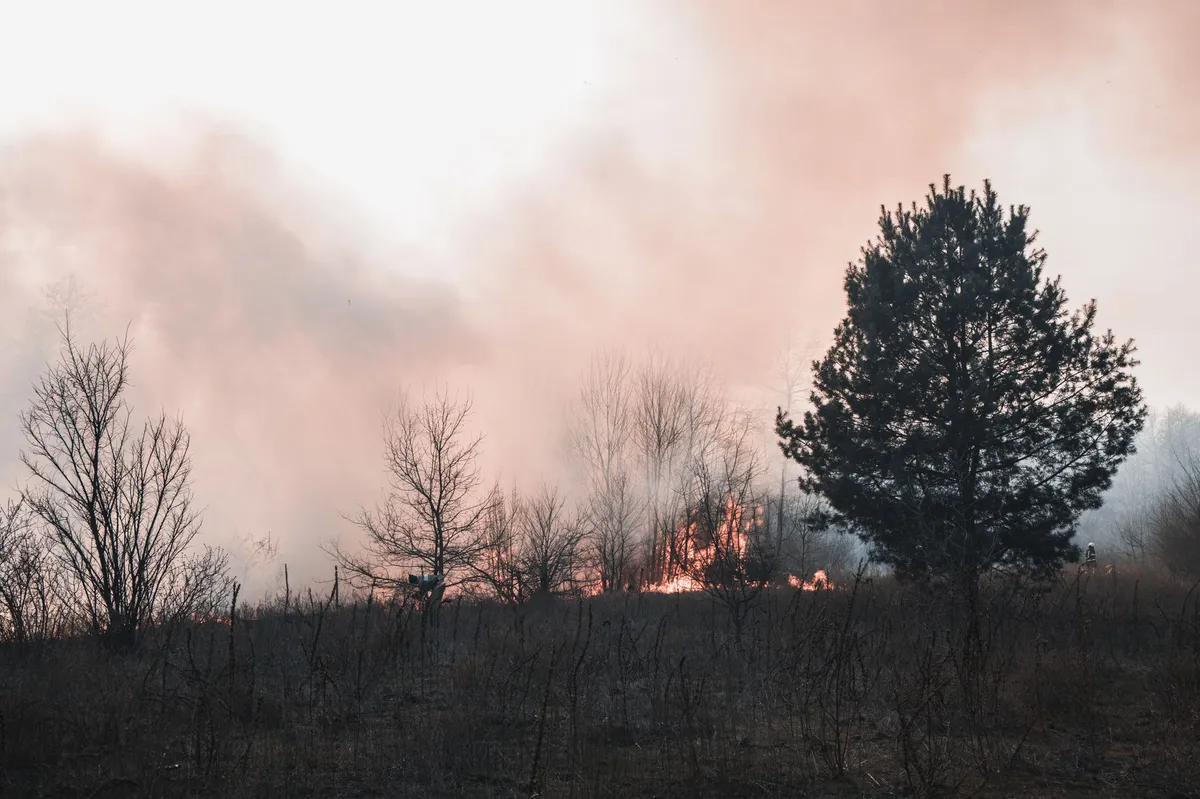
The wildfire season in Europe has become increasingly alarming, with Spain and France emerging as critical battlegrounds. This year, the wildfire threat has escalated earlier than usual and with greater intensity, reflecting a disturbing trend attributed to climate change. According to Jason Nicholls, AccuWeather’s lead international forecaster, the rapid succession of heat waves leaves little room for recovery, compounding the impact on vegetation and soil moisture levels.
Wildfires are fueled by several factors, including:
- High Temperatures: Prolonged heat waves dry out vegetation, making it more susceptible to ignition.
- Drought Conditions: Ongoing drought leads to dry soil and stressed plants, increasing the risk of wildfires.
- Wind Patterns: Strong winds can rapidly spread flames, complicating firefighting efforts.
- Human Activity: Many wildfires are ignited by human actions, whether accidental or intentional.
As wildfires rage, the consequences can be catastrophic, affecting not just the immediate area but also air quality and public health across broader regions.
Emergency Measures and Community Response
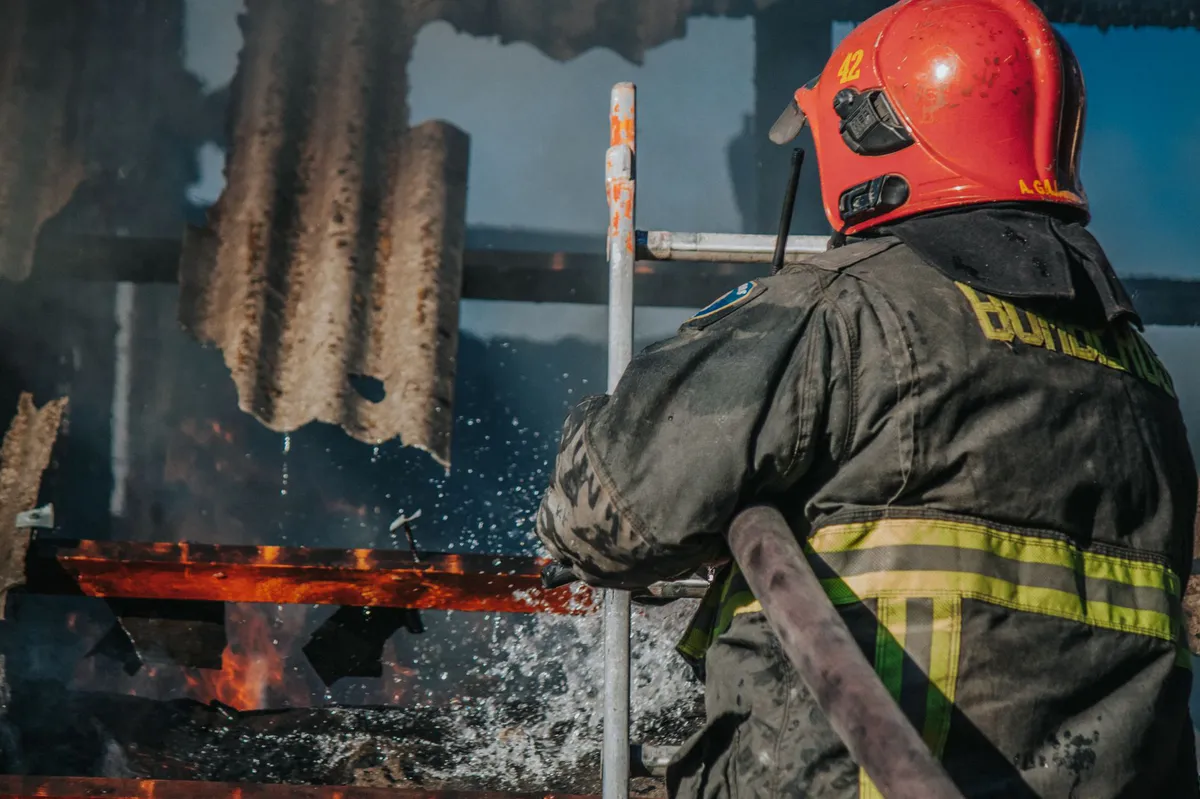
In response to the escalating crisis, Spanish authorities have declared emergency zones in the affected areas, allowing for the mobilization of resources and financial aid. Prime Minister Pedro Sánchez has stated that the government is taking steps to provide support for those impacted by the fires. This includes:
- Legal Assistance: Helping residents navigate insurance claims and other legal matters.
- Financial Support: Offering financial aid for rental housing and home repairs.
- Loan Guarantees: Assisting businesses and farmers with loans to facilitate recovery.
The Madrid region president, Isabel Díaz Ayuso, has emphasized that while the situation is improving, the threat remains significant, and efforts to cool down affected areas are crucial as temperatures are expected to rise. Across the border, in France, firefighters continue to battle several active blazes, particularly in the Gironde department and on the island of Corsica, which have also seen thousands evacuated.
The Long-Term Implications of Wildfires
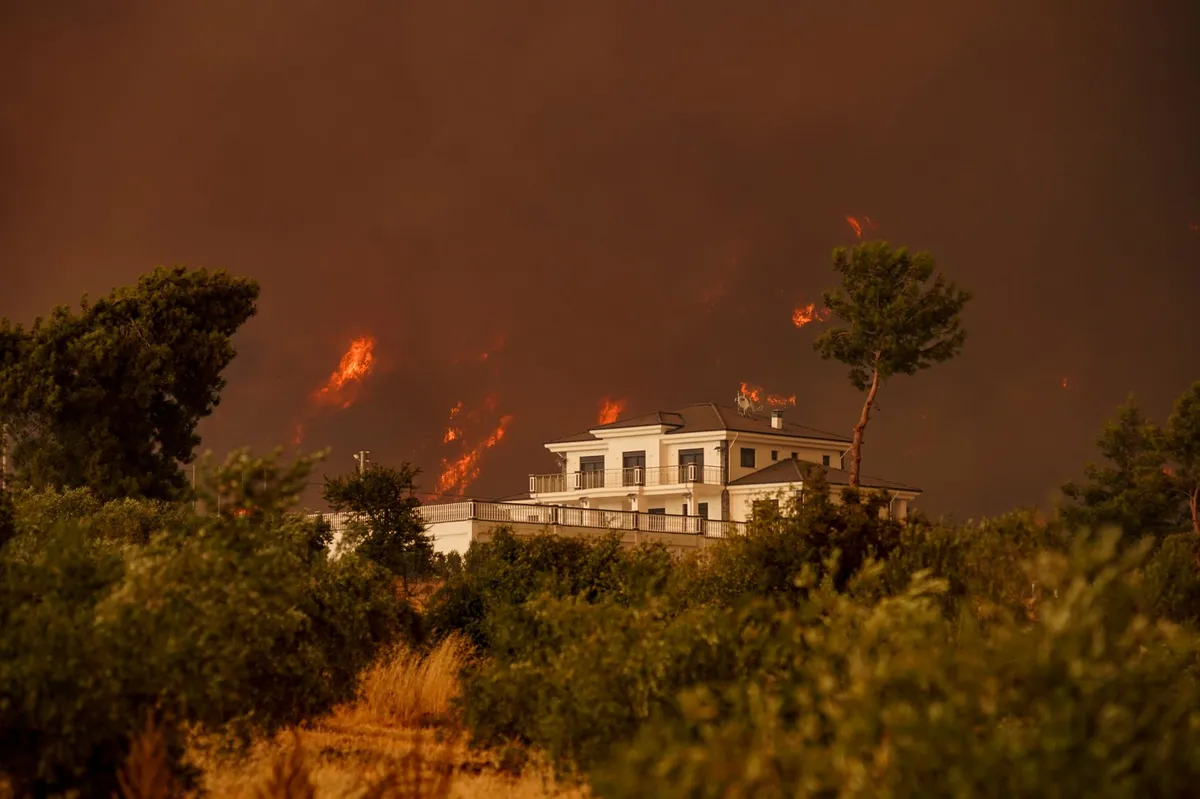
The wildfires of 2026 are not just a seasonal crisis; they represent a growing concern about the long-term impact of climate change on natural disasters. Communities affected by wildfires face significant challenges in recovery, including rebuilding infrastructure and restoring local economies. The Pantano de San Juan, once a thriving tourist destination near Madrid, has been severely damaged, impacting local businesses that relied on tourism.
As regions grapple with the immediate effects of the wildfires, they must also consider how to prepare for future disasters. This includes investing in:
- Resilient Infrastructure: Building and retrofitting homes and businesses to withstand wildfires.
- Emergency Preparedness: Establishing robust evacuation plans and improving communication systems.
- Environmental Management: Implementing sustainable land management practices to reduce fire risk.
Insurance companies are also re-evaluating risk models in light of increasing wildfire frequency and severity. Homeowners in fire-prone areas may face rising premiums and stricter coverage limitations, making it imperative for residents to understand their policies and prepare for potential claims.
Key Takeaways
- Spain and France are battling severe wildfires exacerbated by extreme heat and drought.
- Emergency measures include financial aid, legal assistance, and resource mobilization.
- The long-term impact of wildfires raises questions about community resilience and environmental management.
- Insurance implications for affected homeowners are significant, with potential changes to policy coverage and premiums.
Frequently Asked Questions
What are the main causes of wildfires in Europe?
Wildfires in Europe are primarily attributed to a combination of high temperatures, drought conditions, and human activity. Prolonged heat waves dry out vegetation, making landscapes more susceptible to ignition, while human actions, such as campfires or discarded cigarettes, can accidentally spark fires. Additionally, strong winds can exacerbate the situation by rapidly spreading flames.
How are emergency services responding to the wildfires?
Emergency services in Spain and France have mobilized thousands of firefighters and resources to combat the ongoing wildfires. Measures include declaring emergency zones, providing financial aid to affected residents, and implementing evacuation orders where necessary. Authorities are focused on containing the flames and preventing further spread while ensuring the safety of residents.
What should homeowners do to prepare for potential wildfires?
Homeowners in fire-prone areas should take proactive steps to prepare for potential wildfires, including creating defensible space around their properties, maintaining clear access routes for emergency services, and reviewing their insurance policies to understand coverage limits and claims processes. Investing in fire-resistant materials and creating an emergency plan can further enhance preparedness.
How can communities rebuild after a wildfire?
Rebuilding after a wildfire involves not just physical reconstruction but also psychological recovery for affected residents. Communities can engage in collaborative planning to enhance resilience, focusing on sustainable practices, improved infrastructure, and support systems for local businesses. Accessing financial aid and legal assistance for insurance claims can also be crucial in facilitating a smoother recovery process.
Comments
Johnson & Johnson's Talc Settlement: A Turning Point for Liability Insurance
Johnson & Johnson's landmark $5.5 billion talc settlement resolves a decade-long legal battle over product liability claims, but it raises significant implications for the insurance market. As companies opt to self-insure amidst rising litigation costs, the landscape of casualty insurance faces a pivotal shift.
Related articles





Popular in Business Insurance
- Surging War-Risk Insurance Rates in the Strait of Hormuz: What It Means for Shipping
- Ross & Yerger Insurance Faces Class Action Over Data Breach Allegations
- Sompo Expands U.S. Workers' Compensation Portfolio with Service Insurance Acquisition
- Legal Battle Unfolds Over $1 Million Truck Crash Insurance Payout
- Howden Group's Ambitious Journey Toward IPO and Expansion