Lancashire Holdings Reports Strong H1 2026 Results Amid Declining Catastrophe Losses
Lancashire Holdings Limited has seen significant improvements in its financial performance for the first half of 2026. A decline in catastrophe losses and large events has contributed to a robust combined ratio and increased profitability, signaling resilience in a shifting insurance market.
The insurance landscape often mirrors the unpredictability of nature itself, and Lancashire Holdings Limited's recent financial results reflect a significant turn of fortune. In the first half of 2026, the company reported a combined ratio of 90.8%, a marked improvement from the previous year's 97.8%. This positive shift comes as a result of a sharp decline in catastrophe and large loss activity, underscoring the potential volatility in the insurance sector. With profits after tax rising to $141.7 million, up from $109.2 million a year earlier, Lancashire's performance is a noteworthy example of how companies can rebound in the face of adversity.
In the world of insurance, a combined ratio below 100% indicates profitability, meaning that the company is making more from premiums than it is paying out in claims and expenses. The improvement in Lancashire's combined ratio not only highlights its operational efficiency but also reflects the broader market trends that are influencing the insurance industry.
Understanding Combined Ratios and Their Significance
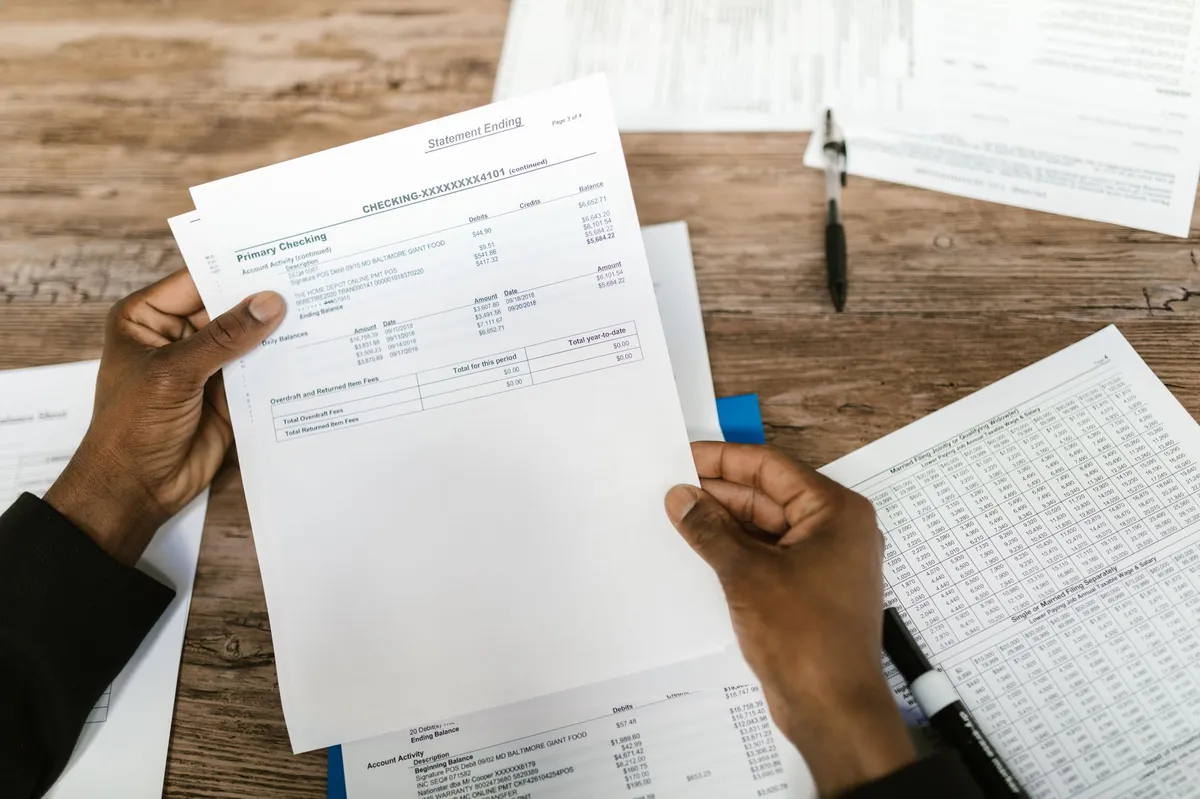
The combined ratio is a crucial metric in the insurance industry, reflecting the percentage of premiums used to pay claims and operational expenses. A ratio above 100% indicates that an insurer is paying out more in claims than it collects in premiums, which can lead to financial instability. Conversely, a ratio below 100% signifies profitability and operational success.
For Lancashire, the drop to 90.8% is a strong indicator of improved risk management and underwriting practices, especially when compared to the previous year's difficult climate, which was significantly impacted by catastrophic events such as the California wildfires. The company's ability to navigate these challenges effectively has positioned it favorably in the current market.

Catastrophe Losses and Their Impact on Financial Performance
The decline in catastrophe losses is a pivotal factor in Lancashire's improved financial results. In the first half of 2026, net losses from catastrophic events totaled $60.1 million, a dramatic decrease from $211.2 million in the same period in 2025. This reduction not only bolstered the company's bottom line but also reinforced its capacity to manage risk effectively.
The 2025 losses were heavily influenced by significant claims from natural disasters, particularly in regions prone to severe weather. Such events not only strain an insurer's resources but can also lead to increased premiums as companies adjust to cover potential future losses. The reduction in claims this year may suggest a more stable environment, allowing Lancashire to maintain competitive pricing while improving profitability.
Premiums and Revenue Trends
Despite the favorable conditions leading to lower payout ratios, Lancashire's gross premiums written did show a slight decline, falling from $1.356 billion in the first half of 2025 to $1.315 billion in the same period of 2026. This 3% decrease, while not alarming, indicates a potential shift in market dynamics that could affect future growth.
The company's insurance revenue remained relatively flat at $930 million, suggesting that while loss ratios improved, the competitive environment may be softening premium rates across various lines of business. The renewal price index (RPI) fell to 92% from 96% the previous year, highlighting the need for insurers to adapt to changing market conditions. Chief Executive Alex Maloney noted that the current market is
Comments
X and World Federation of Advertisers Resolve Legal Dispute Over GARM
The settlement between X and the World Federation of Advertisers marks a significant turning point in their relationship following a contentious antitrust lawsuit. This article explores the implications for advertisers and social media platforms.
Related articles




Popular in Business Insurance
- Surging War-Risk Insurance Rates in the Strait of Hormuz: What It Means for Shipping
- Ross & Yerger Insurance Faces Class Action Over Data Breach Allegations
- Sompo Expands U.S. Workers' Compensation Portfolio with Service Insurance Acquisition
- Legal Battle Unfolds Over $1 Million Truck Crash Insurance Payout
- Howden Group's Ambitious Journey Toward IPO and Expansion