Illinois Court Upholds Insurer's Flood Claim Denial Amid Vacancy Clause
An Illinois court has upheld West Bend Mutual Insurance's decision to deny a flood claim due to a vacancy exclusion, highlighting the importance of policy awareness for business owners.

In a significant ruling that underscores the importance of understanding insurance policy nuances, the Illinois First District Appellate Court recently affirmed West Bend Mutual Insurance Company's (West Bend) denial of a flood claim based on a vacancy exclusion clause. This decision, finalized on July 28, 2026, centers around Argus Investment, Inc. (Argus), which owned a commercial brewery in Chicago that closed its doors during the COVID-19 pandemic. The court's ruling serves as a critical reminder for business owners about the potential pitfalls of insurance coverage, particularly regarding vacancy clauses that can drastically impact claims for losses.
The Case Background: Brewery Closure and Claims Process
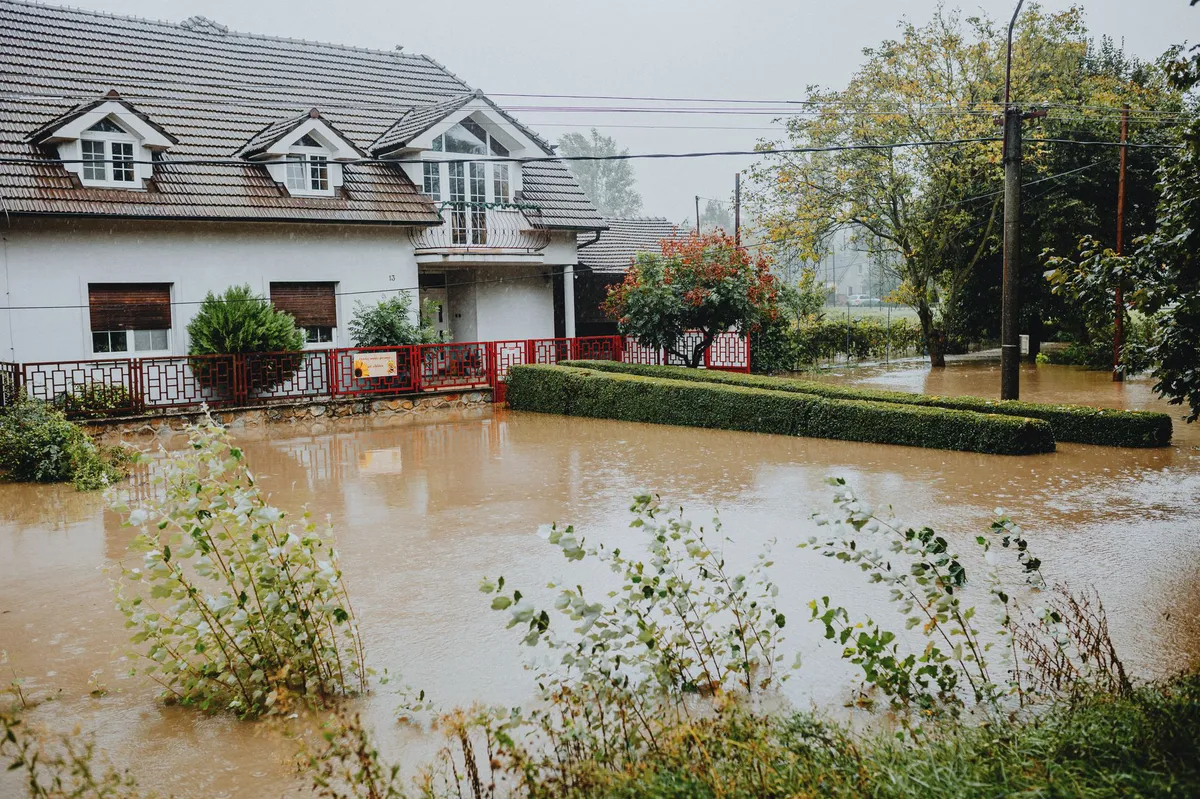
Argus owned a brewery that ceased operations on March 27, 2020, following the onset of the pandemic. Despite the brewery's closure, an office manager remained on-site, but the facility was largely inactive. After heavy flooding on January 14, 2022, Argus filed a claim with West Bend for damages totaling approximately $296,633, which included over $135,000 for building damage and nearly $161,000 for inventory and equipment. However, West Bend swiftly denied the claim on January 21, citing a vacancy exclusion clause in the commercial general liability policy.
The policy in question included a provision stipulating that if a building has been vacant for more than 60 consecutive days before a loss, the insurer would not pay for any damage resulting from covered causes, including water damage. In this case, the court had to determine whether the brewery met the criteria of being vacant, as defined by the policy, which required at least 31% of the floor space to be utilized for customary operations.
Understanding Vacancy Clauses in Insurance Policies
Vacancy clauses are common in commercial property insurance policies and are designed to limit coverage when a property is not actively in use. The rationale behind these exclusions is that vacant properties are at a higher risk for damage due to lack of maintenance, security, and oversight. Here are some key points for business owners to consider regarding vacancy clauses:
- Definition of Vacancy: Insurers typically define vacancy based on specific criteria, such as the percentage of space used for business operations. Understanding these definitions is crucial for policyholders.
- Impact on Coverage: If a property is deemed vacant, it may not qualify for coverage under certain circumstances, including natural disasters like floods.
- Policy Review: Regularly reviewing and understanding all policy terms, including exclusions, is essential for business owners to avoid surprises during the claims process.
- Communication with Insurer: Engaging in open communication with insurers can help clarify any ambiguities regarding coverage and exclusions.
The Court's Rationale and Interpretation
In its ruling, the appellate court scrutinized the circumstances surrounding Argus's claim and West Bend's denial. Argus contended that West Bend had effectively waived the vacancy exclusion because the insurer should have been aware of the building's status prior to the policy's automatic renewal in June 2021. However, the court found that the communications Argus referenced pertained to a separate workers' compensation policy and did not substantiate the claim that West Bend had waived the vacancy exclusion.
Moreover, the court highlighted that merely closing a business does not automatically render a property vacant in the eyes of insurance. According to the judge, Argus had the responsibility to understand its coverage, and the chief executive admitted to not having read the policy or being aware of the vacancy exclusion until after the flood occurred. The court's reasoning emphasized that claiming ignorance of policy terms does not exempt a policyholder from the consequences of those terms.

The Broader Implications for Insurers and Policyholders
This ruling has broader implications for both insurers and policyholders in the commercial insurance landscape. For insurers, the decision reinforces the importance of clear communication regarding policy terms and conditions. Insurers are not required to monitor whether policyholders are maintaining coverage adequacy; rather, it is the responsibility of the policyholders to be informed about their coverage and its limitations.
For policyholders, especially small business owners, the ruling serves as a stark reminder of the potential pitfalls associated with insurance policies. Understanding the details of coverage, including exclusions and conditions, is essential for effective risk management. Here are some proactive steps business owners can take:
- Regular Policy Reviews: Schedule periodic reviews of insurance policies to ensure awareness of terms, exclusions, and coverage limits.
- Consult with Experts: Work with insurance agents or legal advisors to gain a comprehensive understanding of policy language and implications.
- Document Communications: Maintain thorough documentation of communications with insurers to clarify any misunderstandings regarding coverage.

Key Takeaways
- The Illinois court's ruling emphasizes the importance of understanding vacancy exclusions in insurance policies.
- Policyholders bear the responsibility of knowing their coverage terms and conditions.
- Regular policy reviews and consultations with insurance experts can prevent misunderstandings during claims.
- Insurers are not liable for monitoring policyholder compliance with coverage adequacy.
- A clear definition of vacancy is critical when assessing coverage for property damage claims.
Frequently Asked Questions
What is a vacancy exclusion in insurance policies?
A vacancy exclusion is a clause in an insurance policy that limits or denies coverage for losses that occur when a property has been unoccupied for a specified period, typically more than 60 consecutive days. This clause is implemented to mitigate the risks associated with vacant properties, which are often more susceptible to damage due to lack of maintenance and security.
How can business owners avoid pitfalls related to vacancy exclusions?
Business owners can avoid pitfalls associated with vacancy exclusions by regularly reviewing their insurance policies, understanding the definitions and implications of coverage terms, and consulting with insurance professionals. Being proactive in maintaining communication with insurers and documenting any changes in property status can also help mitigate risks related to claims denials.
What are the consequences of not understanding insurance policy terms?
Failing to understand insurance policy terms can lead to significant financial losses for policyholders. In the case of Argus Investment, the lack of awareness regarding the vacancy exclusion resulted in a denied claim for nearly $300,000 in damages. This emphasizes the importance of policyholders taking responsibility for their understanding of coverage to avoid being caught off guard during the claims process.
Can an insurer waive a policy exclusion?
While insurers can waive certain policy exclusions, this typically requires clear communication and action from the insurer, such as acknowledging the change in circumstances. In the Argus case, the court found that West Bend did not waive the vacancy exclusion because the communications referenced by Argus did not pertain to the relevant policy, and thus the insurer was not obligated to cover the claim.
Comments
Gallagher Reports Strong Q2 Growth Amid Strategic Acquisitions
Arthur J. Gallagher & Co. showcases impressive financial results for Q2 2026, with significant revenue growth and a strong organic growth rate, amidst a strategic shift in acquisition activity.
Related articles





Popular in Business Insurance
- Surging War-Risk Insurance Rates in the Strait of Hormuz: What It Means for Shipping
- Ross & Yerger Insurance Faces Class Action Over Data Breach Allegations
- Sompo Expands U.S. Workers' Compensation Portfolio with Service Insurance Acquisition
- Legal Battle Unfolds Over $1 Million Truck Crash Insurance Payout
- Howden Group's Ambitious Journey Toward IPO and Expansion