Cyberattacks on Water Utilities Spark Debate Over Insurance Coverage
Recent cyberattacks on U.S. water systems raise concerns regarding the adequacy of cyber insurance coverage, especially regarding war exclusions. As state-linked activities increase, utilities must reassess their cybersecurity posture and insurance policies.
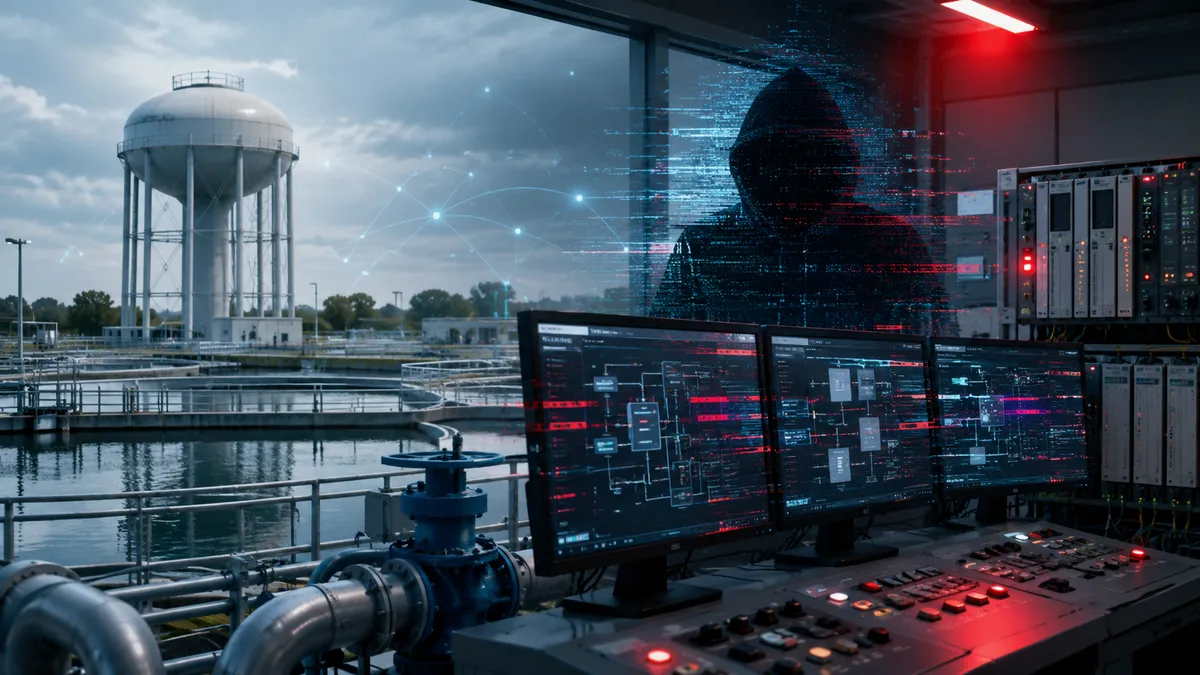
In recent weeks, a wave of cyberattacks targeting water utilities across the United States has ignited critical discussions about the adequacy of cyber insurance, particularly when it comes to war exclusions. With geopolitical tensions escalating, particularly involving state-sponsored cyber activities, the potential for significant losses in critical infrastructure sectors like water systems has never been more pronounced. Reports indicate that attacks have impacted community water systems in at least seven states, including significant disruptions in Minnesota and Michigan. The U.S. federal authorities are currently investigating whether these attacks can be traced back to Iranian hackers, although no definitive attribution has yet been made.
These cyber incidents primarily targeted programmable logic controllers (PLCs) and other operational technology that utilities utilize to monitor and manage their water infrastructure remotely. As a result, several utilities were forced to revert to manual operations to maintain service. Fortunately, officials have confirmed that, despite the attacks, drinking water quality and public health were not compromised. However, the situation highlights the vulnerabilities of smaller public utilities, many of which operate on outdated systems and limited budgets, making them particularly susceptible to cyber threats.
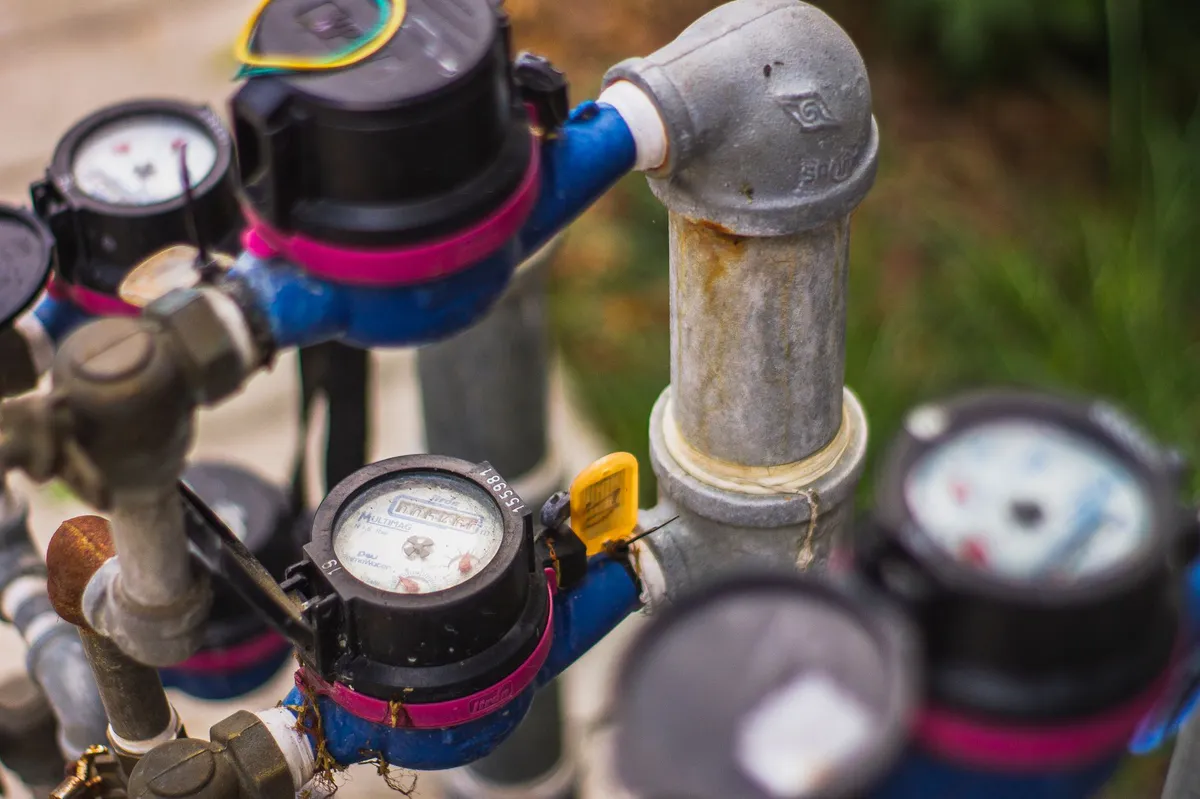
Understanding the Risks: The Vulnerability of Water Utilities
The recent attacks serve as a stark reminder of the cybersecurity challenges facing smaller utilities. Many of these organizations still operate legacy systems that were not designed for internet connectivity, which creates significant security gaps. As technology evolves and more systems become digitized, these vulnerabilities can be exposed, especially for resource-strapped utilities that may lack the necessary funding for modern cybersecurity defenses.
The Urgency of Cybersecurity Measures
Federal officials have issued strong recommendations for water and wastewater operators to enhance their cybersecurity measures. This includes removing publicly accessible controllers and operational technologies from the internet and closely examining external connections established via cellular modems, vendors, and system integrators. Such connections may not be visible during routine scans for vulnerabilities, potentially allowing attackers to exploit overlooked points of entry.
Steph Barnes, a senior intelligence analyst at Resilience, emphasizes that smaller utilities must undergo a mindset shift to recognize their intrinsic value as part of the national infrastructure. Every utility, regardless of its size, is a potential target due to its critical role in providing water services and the possibility that it harbors exploitable flaws.
The Impact of Cyberattacks on Operations
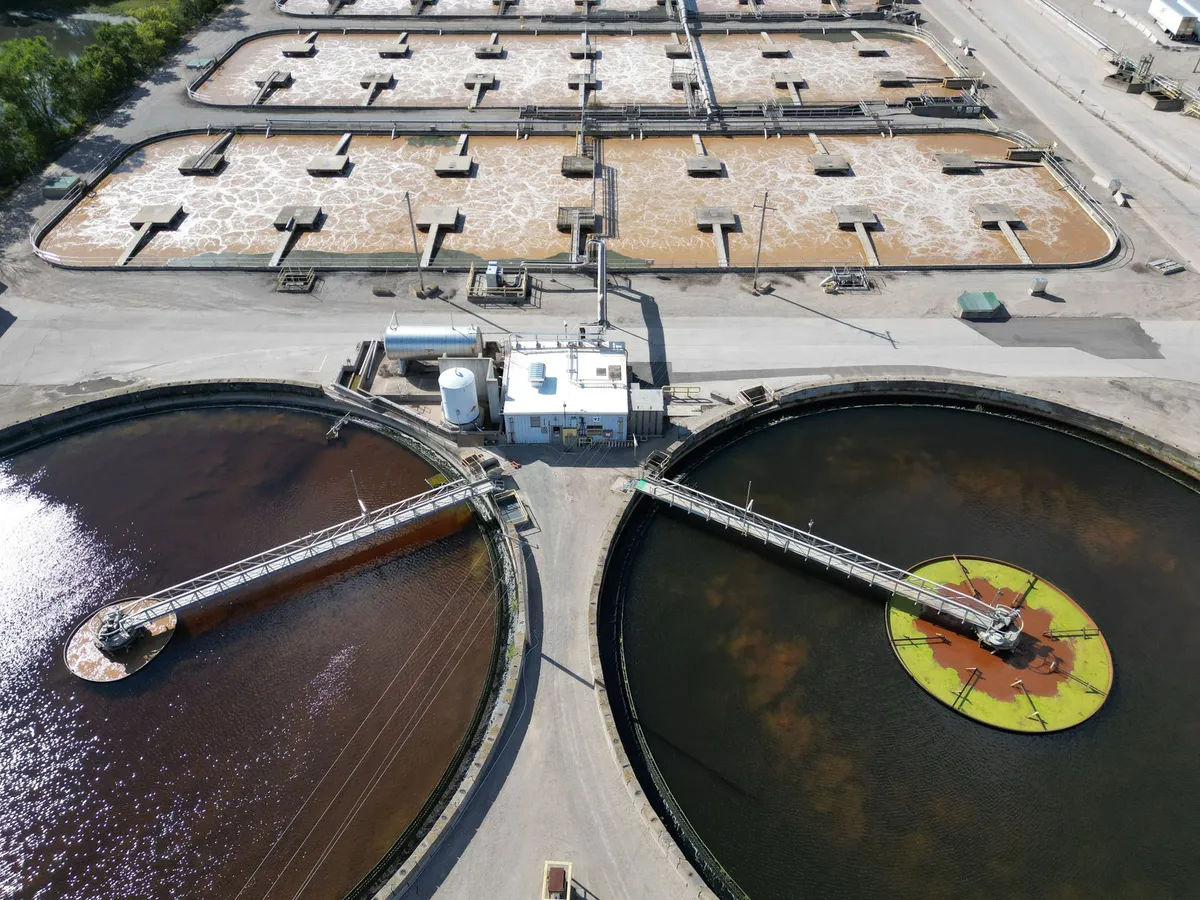
Fortunately, the affected utilities demonstrated resilience by implementing manual operational procedures, which mitigated the potential for serious disruption. For instance, South St. Paul transitioned to manual operations without service interruption, while Braham successfully isolated and restarted an affected system within approximately 90 minutes. Similarly, Plymouth temporarily reverted to manual operations after identifying compromised controllers.
Such preparedness illustrates the importance of having actionable incident response plans in place. While the recent attacks caused limited disruption, experts warn that a broader or more coordinated campaign could lead to substantial business interruption, restoration, and liability losses.
Insurance Implications: The War Exclusion Debate
As the conversation around cybersecurity deepens, the issue of insurance coverage—specifically in relation to state-sponsored attacks—has come to the forefront. Cyber insurance policies typically contain clauses that exclude coverage for damages caused by acts of war or cyberwarfare. This raises critical questions about how these policies will respond if a successful attack can be definitively linked to a nation-state actor.
Barnes points out that attribution will be central to any coverage disputes. Should investigations determine that a state-backed group is responsible for an attack, the war exclusion clauses may come into play, potentially leaving utilities vulnerable to significant financial losses. This uncertainty could prompt public utilities to reassess their insurance policies and advocate for clearer terms that better address these emerging threats.
Potential Changes in Cyber Insurance Policies
Should these types of attacks become more frequent or severe, the public utilities sector may push back against current insurance practices. As Barnes notes, if a future attack leads to contamination of drinking water or prolonged service failures, the insurance market may be compelled to revisit how policies address state-sponsored cyber incidents. The evolving landscape of cyber threats will likely necessitate a re-examination of existing coverage frameworks.

Preparing for the Future: What Utilities Must Do
To navigate this new reality, water utilities must prioritize cybersecurity and develop comprehensive incident response plans. Here are some actionable steps that utilities can take:
- Conduct Regular Cybersecurity Audits: Regular assessments can help identify vulnerabilities and strengthen defenses.
- Invest in Modern Technology: Upgrading legacy systems and implementing advanced cybersecurity solutions can significantly reduce risk.
- Engage in Cybersecurity Training: Staff training and awareness programs can prepare employees to recognize and respond to potential cyber threats.
- Collaborate with Cybersecurity Experts: Partnering with cybersecurity firms can provide utilities with access to expertise and resources that may be lacking in-house.
- Review Insurance Policies: Utilities should consult with insurance professionals to ensure their coverage adequately addresses potential cyber risks.
Key Takeaways
- The recent wave of cyberattacks on U.S. water utilities underscores the vulnerability of critical infrastructure.
- Federal officials urge utilities to enhance cybersecurity measures and remove publicly accessible systems from the internet.
- The complexity of attributing cyberattacks raises questions about coverage under existing cyber insurance policies.
- Utilities must develop actionable incident response plans to mitigate potential disruptions.
- Revisiting insurance policies may be necessary to address evolving threats from state-sponsored cyber activities.
Frequently Asked Questions
What types of cyber threats are water utilities facing?
Water utilities are facing a range of cyber threats, including ransomware attacks, phishing scams, and direct attacks on operational technology systems. These threats can disrupt service delivery, compromise data integrity, and expose sensitive information. As systems become more interconnected, the risk of cyberattacks increases, making robust cybersecurity measures essential.
How can utilities protect themselves from cyberattacks?
Utilities can protect themselves by investing in modern cybersecurity technologies, conducting regular audits, and training staff to recognize potential threats. Additionally, developing incident response plans that outline how to respond to a cyber incident can help mitigate damage and ensure a swift recovery.
What should utilities consider when reviewing their cyber insurance policies?
When reviewing cyber insurance policies, utilities should consider factors such as coverage limits, exclusions for state-sponsored attacks, and the adequacy of the policy in addressing their specific risks. It’s essential to consult with insurance professionals who understand the unique challenges faced by public utilities to ensure that their coverage meets current and future needs.
Why is attribution important in cyber insurance claims?
Attribution is crucial in cyber insurance claims because it determines whether a cyber incident falls under the policy's coverage terms. If an attack is attributed to a state-backed group, it may trigger war exclusion clauses that could leave utilities without coverage for their losses. Clear attribution helps clarify the responsibilities of insurers and the expectations of the insured.
Comments
American Family's $1.2B Acquisition of Bowhead Specialty: An In-Depth Analysis
American Family Mutual Insurance Co. is set to acquire Bowhead Specialty Holdings in a $1.2 billion cash deal, marking a significant shift in the specialty insurance market. This article explores the implications of this merger for stakeholders and the broader industry.

Related articles





Popular in Business Insurance
- Surging War-Risk Insurance Rates in the Strait of Hormuz: What It Means for Shipping
- Ross & Yerger Insurance Faces Class Action Over Data Breach Allegations
- Sompo Expands U.S. Workers' Compensation Portfolio with Service Insurance Acquisition
- Legal Battle Unfolds Over $1 Million Truck Crash Insurance Payout
- Howden Group's Ambitious Journey Toward IPO and Expansion