Shepherd Insurance Appoints Matt Kleymeyer to Lead Employee Benefits Division
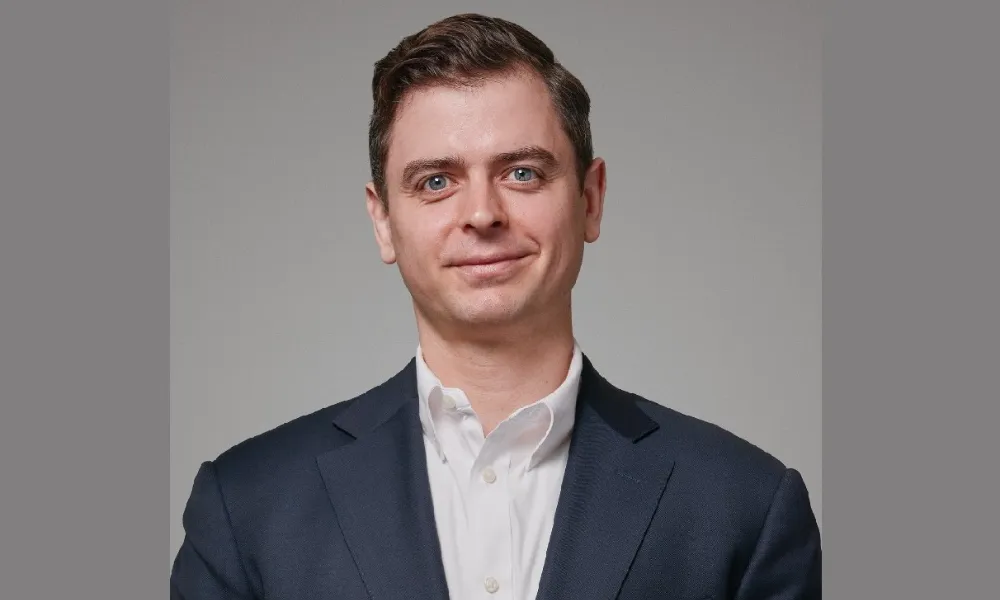
Shepherd Insurance has welcomed Matt Kleymeyer as the new president of its employee benefits division, amid rising healthcare costs. His extensive experience aims to drive strategic growth and enhance client relationships in a challenging market.

In a significant move that highlights the increasing importance of strategic leadership in employee benefits, Shepherd Insurance has appointed Matt Kleymeyer as the president of its employee benefits division. This decision comes at a time when healthcare costs for employer-sponsored plans are projected to rise sharply—the largest increase in 15 years—making it essential for companies to have knowledgeable leaders who can navigate this complex landscape. Kleymeyer, with nearly two decades of experience in the benefits sector, is poised to guide the firm through these challenging waters.
The Context of Rising Healthcare Costs
As the landscape of employer-sponsored healthcare evolves, so too do the challenges that businesses face. A recent survey by Mercer, PwC, and Aon indicates that healthcare costs are expected to rise between 6.5% and 9.5% by 2026. This dramatic increase represents the largest projected jump in nearly a decade and a half, placing significant pressure on employers to balance competitive benefits offerings with financial sustainability.
Employers are now more than ever in search of advisors who can provide strategic insights rather than simply facilitate renewals on coverage. With the growing complexity of healthcare management, the demand for brokers who can navigate both cost management and workforce strategy has surged. This shift is underscored by a 2025 Broker Services Survey by Zywave, which found that employers are prioritizing innovative solutions to meet their benefits needs.

Kleymeyer’s Background and Vision
Matt Kleymeyer's career is distinguished by a blend of sales, client service, operations, and leadership across various markets. Before joining Shepherd Insurance, he served as area executive vice president and Indiana market leader at Gallagher, a role he ascended to after successfully growing and selling an employee benefits agency he co-founded. This trajectory reflects a broader trend where experienced benefits professionals are gravitating towards independent agencies that offer robust platforms for client relationships and leadership opportunities.
Kleymeyer expressed enthusiasm about his new role, stating, “What drew me to Shepherd is the caliber of people already here and the strength of the relationships they've built over decades with the clients they serve. I'm looking forward to working alongside this team to build on that foundation and position the employee benefits practice for the next chapter of growth.” His vision for the division includes a focus on strategic growth, talent development, and enhancing carrier relationships, ensuring that Shepherd's offerings remain competitive and valuable in the marketplace.

The Role of Leadership in Employee Benefits
Leadership in employee benefits is not just about managing plans; it's about creating a culture of strategic thinking and innovation. Kleymeyer will work closely with established team members including Steve Gregory, Shannon Russell, and Susie Brancheau, all of whom bring unique expertise to the table. Together, they will tackle the pressing challenges of rising costs and the need for comprehensive benefits strategies that align with employer goals.
As healthcare costs continue to escalate, organizations will look to their benefits leaders for answers. The role of an employee benefits president has evolved into one of a strategic advisor, where understanding the intricacies of the healthcare market can lead to better outcomes for both employers and employees. This shift not only demands an acute awareness of market trends but also a commitment to fostering long-term relationships with clients.

Market Trends and Future Implications
The benefits landscape is undergoing a transformation, driven by technological advancements and changing employee expectations. The rise of telehealth services, personalized health plans, and wellness programs are just a few areas where innovation is taking center stage. However, as larger firms consolidate, there is a concern that this may stifle innovation within the sector. A study by LIMRA and Ernst & Young highlighted that larger firms may not be as agile in adapting to new trends, which could leave small to mid-sized businesses at a disadvantage when seeking tailored benefits solutions.
- Rising healthcare costs: Projected increase of 6.5% to 9.5% by 2026.
- Shift in employer priorities: Need for strategic advisory roles in benefits management.
- Consolidation trends: May limit innovation and adaptability in the benefits sector.
- Technological advancements: Increasing importance of telehealth and personalized plans.
Key Takeaways
- Shepherd Insurance has appointed Matt Kleymeyer as president of its employee benefits division.
- Healthcare costs for employer-sponsored plans are expected to rise significantly by 2026.
- Innovative, strategic leadership is essential in navigating the evolving benefits landscape.
- The current market is increasingly demanding personalized and adaptable benefits solutions.
Frequently Asked Questions
What does the appointment of Matt Kleymeyer mean for Shepherd Insurance?
The appointment of Matt Kleymeyer signifies a strategic commitment by Shepherd Insurance to enhance its employee benefits offerings amidst rising healthcare costs. With his extensive experience, Kleymeyer is expected to implement innovative strategies that will not only improve operational efficiencies but also strengthen client relationships, ensuring that employers receive the best possible advice and support in managing their benefits.
How are rising healthcare costs impacting employers?
Rising healthcare costs are a pressing concern for employers, as they challenge the ability to offer competitive benefits while managing budgets. As costs are projected to rise significantly over the next few years, employers are increasingly seeking guidance from benefits advisors who can help them navigate these complexities. This situation has made the role of benefits brokers more critical than ever, shifting from mere administrative functions to strategic advisory positions that can influence workforce satisfaction and retention.
What trends are shaping the future of employee benefits?
The future of employee benefits is being shaped by several key trends, including the rise of telehealth services, the emphasis on mental health and wellness, and the demand for personalized benefits plans. Employers are recognizing that a one-size-fits-all approach is no longer sufficient and are looking for innovative solutions that cater to the diverse needs of their workforce. As technology continues to evolve, the ability to offer flexible and tailored benefits will be crucial in attracting and retaining top talent.
Comments
Rising Cargo Theft Losses: The Impact of Organized Crime and Cyber Schemes
Cargo theft losses have surged to $304.6 million, driven by organized crime and sophisticated cyber tactics. Despite a decline in theft incidents, the average loss per theft has skyrocketed, raising concerns across the cargo industry.

Related articles






Popular in Business Insurance
- Surging War-Risk Insurance Rates in the Strait of Hormuz: What It Means for Shipping
- Ross & Yerger Insurance Faces Class Action Over Data Breach Allegations
- Sompo Expands U.S. Workers' Compensation Portfolio with Service Insurance Acquisition
- Legal Battle Unfolds Over $1 Million Truck Crash Insurance Payout
- Howden Group's Ambitious Journey Toward IPO and Expansion