NI Holdings' Strategic Shift: Navigating Profitability Amid Challenges
NI Holdings returns to profitability by exiting non-standard auto insurance and focusing on federally subsidized crop insurance. This strategic pivot signals important trends for brokers and clients in the North Dakota region and beyond.

In the competitive landscape of the insurance industry, adaptability and strategy are vital for survival and growth. NI Holdings, the parent company of Nodak Insurance, has recently showcased this adaptability by returning to profitability in the second quarter of 2026. However, the path taken to achieve this financial turnaround is far more significant than the headline profit figure alone. With strategic moves to exit the non-standard auto insurance segment, a deeper dive into federally subsidized crop insurance, and a careful navigation of regional catastrophe losses, NI Holdings is signaling a shift in market appetite that could have profound implications for brokers and clients alike.
NI Holdings reported a net income of $146,000 for the quarter ending June 30, a notable recovery from a staggering loss of $12.1 million in the same quarter the previous year. Despite this positive turn, the company also faced a 4.1% decline in gross premiums written, amounting to $107.2 million. Most alarmingly, the non-standard auto premiums plummeted by an astounding 98.9% as the company strategically exited this segment of the market. This decision reflects broader trends in the industry, particularly as economic pressures have reshaped consumer behavior and carrier strategies.
Understanding the Non-Standard Auto Insurance Shift
The non-standard auto insurance market has faced significant challenges in recent years, as evidenced by a report from LexisNexis Risk Solutions that indicated a 5.8% decline in shopping for non-standard auto coverage in the first quarter of 2026—the first downturn since late 2023. This trend is largely driven by inflation and rising ownership costs, which have made it difficult for consumers to afford insurance, particularly for higher-risk drivers. As smaller regional carriers like NI Holdings exit this segment, brokers servicing clients in this space must adjust their strategies accordingly.
The Implications for Brokers
Brokers who typically focus on placing personal auto policies for higher-risk drivers should brace for a more challenging environment. With the exit of smaller carriers, it is likely that the remaining insurers will become more selective in their underwriting processes. This could lead to more non-renewal notices, prompting brokers to engage in proactive renewal conversations with their clients. Instead of assuming that higher rates will lead to retained coverage, brokers should prepare clients for potential policy cancellations.

Crop Insurance: A Growing Opportunity
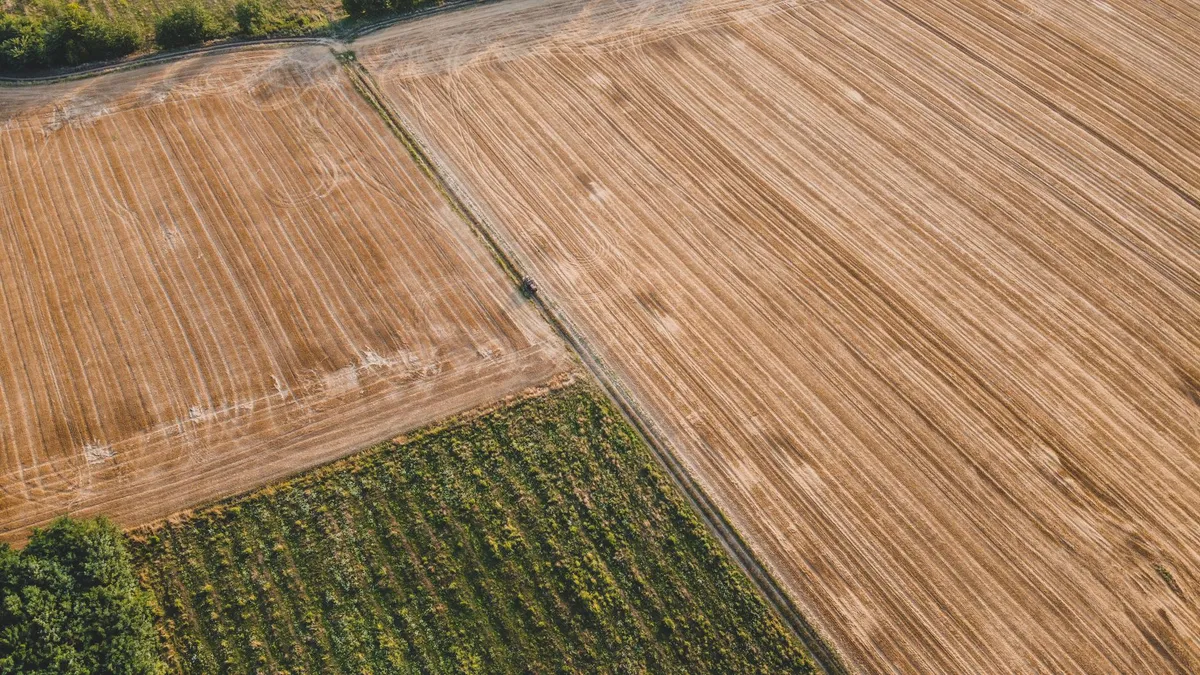
While the non-standard auto segment is contracting, NI Holdings has successfully pivoted towards federally subsidized crop insurance, reporting an 8.8% increase in crop premiums. This growth is largely attributed to new business generated under the USDA Risk Management Agency's federal crop insurance program, which provides significant premium subsidies to producers. In 2024, total subsidies amounted to $10.4 billion, with nearly 89% of acreage across eight major U.S. field crops enrolled in the program.
Federal Backing and Its Importance
The stability of crop insurance is largely rooted in the federal government's support, which provides a safety net for insurers and farmers alike. This federal backstop allows insurers to mitigate risks associated with agricultural perils, making them more willing to underwrite these policies. For brokers serving agricultural clients, understanding this structure is essential. It provides a clear rationale as to why crop insurance might feel more stable than personal auto or homeowners insurance, which are subject to market fluctuations and underwriting cycles.
Challenges from Catastrophic Events
NI Holdings' second-quarter results were not without their challenges. The company faced pre-tax catastrophe losses of $15 million, which, while significant, remained below its reinsurance retention limits. This was a critical factor in improving the combined ratio from a concerning 125.1% the previous year to 107.7%. However, brokers should approach this improvement with caution, as the margin remains narrow and could be tested by upcoming catastrophic events.
Regional Risks and Market Forecasts
According to Karen Clark & Company's 2026 severe convective storm forecast, the Upper Midwest, including North Dakota, is expected to experience above-average losses this year. This projection follows a series of catastrophic events in 2025, including a rare EF5 tornado in North Dakota. As the majority of NI Holdings' business lies in this region, brokers should expect tighter underwriting standards and potential rate increases in response to these risks. The concentration of risk in this area means that regional carriers will be among the first to feel the pinch from shifting reinsurance costs and pricing.
The Bigger Picture: Market Consolidation and Shifting Dynamics
The insurance landscape is undergoing a significant transformation, with larger players like Sentry Insurance acquiring smaller companies such as The General in an effort to gain scale in the non-standard auto market. This consolidation indicates a strategic pivot among insurers, who are focusing on efficiency and market dominance rather than competing in a fragmented space. For brokers, this trend means navigating a marketplace where fewer players are offering coverage for higher-risk drivers, potentially leading to increased premiums and reduced options for clients.
Strategic Recommendations for Brokers
- Proactive Communication: Engage in open conversations with clients about potential non-renewals and the changing landscape of auto insurance.
- Diversify Offerings: Expand into crop and agricultural insurance to capitalize on federally backed opportunities.
- Stay Informed: Keep abreast of regional catastrophe forecasts and their implications for underwriting and pricing.
- Build Relationships: Strengthen ties with remaining carriers in the non-standard auto space to find alternative solutions for clients.
- Monitor Market Trends: Watch for signs of tightening in underwriting standards and adjust strategies accordingly.

Key Takeaways
- NI Holdings has returned to profitability by exiting non-standard auto insurance, indicating a strategic realignment in response to market conditions.
- The growth in crop insurance, supported by federal subsidies, presents opportunities for brokers serving agricultural clients.
- Regional risks from catastrophe events are likely to tighten underwriting standards and increase premiums in the Upper Midwest.
- Market consolidation is reshaping the landscape, making it crucial for brokers to adapt their strategies.
- Proactive communication and diversification into stable lines like crop insurance can help brokers navigate these changes.
Frequently Asked Questions
What does NI Holdings' exit from non-standard auto insurance mean for brokers?
NI Holdings' departure from the non-standard auto segment signals a broader industry trend where smaller carriers are retreating from high-risk markets. Brokers will need to adjust their approach, preparing for more non-renewal notices and seeking alternative solutions for clients. This shift emphasizes the importance of proactive communication between brokers and their clients to navigate the changing landscape effectively.
How does federally subsidized crop insurance work?
The USDA Risk Management Agency administers the federal crop insurance program, where approved insurance providers sell policies to farmers. The government subsidizes a significant portion of the premiums, making these policies more accessible to producers. For brokers, understanding the mechanics of this program is critical, as it underpins the stability and attractiveness of crop insurance compared to more volatile lines like auto or home insurance.
What regional risks should brokers be aware of in the Upper Midwest?
Recent forecasts indicate that the Upper Midwest, including North Dakota, may face above-average catastrophic losses due to severe convective storms. This heightened risk can lead to stricter underwriting standards and rising premiums for property and casualty coverage in the region. Brokers should closely monitor these developments to ensure they are prepared to advise clients on potential impacts to their coverage.
How can brokers adapt to market consolidation in the insurance industry?
Brokers should focus on building strong relationships with the remaining insurers in the market, particularly in high-risk segments. Diversification into other lines, such as crop and agricultural insurance, can also provide new revenue streams. Staying informed about market trends and proactively communicating with clients will help brokers navigate the challenges presented by ongoing consolidation and shifting carrier appetites.
Comments
Navigating the Evolving Insurance Landscape: Insights from AIG's New CEO
Eric Anderson, the new CEO of AIG, shares his vision for navigating the evolving insurance market. This article delves into AIG's strategic adjustments amid changing dynamics and the role of technology in underwriting.
Related articles





Popular in Business Insurance
- Surging War-Risk Insurance Rates in the Strait of Hormuz: What It Means for Shipping
- Ross & Yerger Insurance Faces Class Action Over Data Breach Allegations
- Sompo Expands U.S. Workers' Compensation Portfolio with Service Insurance Acquisition
- Legal Battle Unfolds Over $1 Million Truck Crash Insurance Payout
- Howden Group's Ambitious Journey Toward IPO and Expansion