Rethinking Secondary Perils: The Evolving Landscape of Insurance Risk
As climate change intensifies, the role of secondary perils in insurance risk is evolving. It's time for the industry to reassess how we classify and manage these risks.

As climate change accelerates the frequency and severity of weather events, the insurance industry is facing a critical moment of introspection regarding its risk classification systems. Traditionally, perils such as hurricanes and earthquakes have dominated the insurance landscape, categorized as primary perils due to their significant impact on loss and damage. However, recent trends indicate that secondary perils—such as wildfires, floods, and severe convective storms—are emerging as formidable forces in their own right, challenging the established classifications and necessitating a reevaluation of risk models and pricing strategies.
The past few years have highlighted an alarming reality: secondary perils now account for a substantial proportion of insured losses, sometimes rivaling or even surpassing those of primary perils in certain regions. This shift raises an important question: is it time to rethink the 'secondary-peril' label and acknowledge the growing significance of these risks in the insurance ecosystem?
The Blurred Lines of Peril Classification
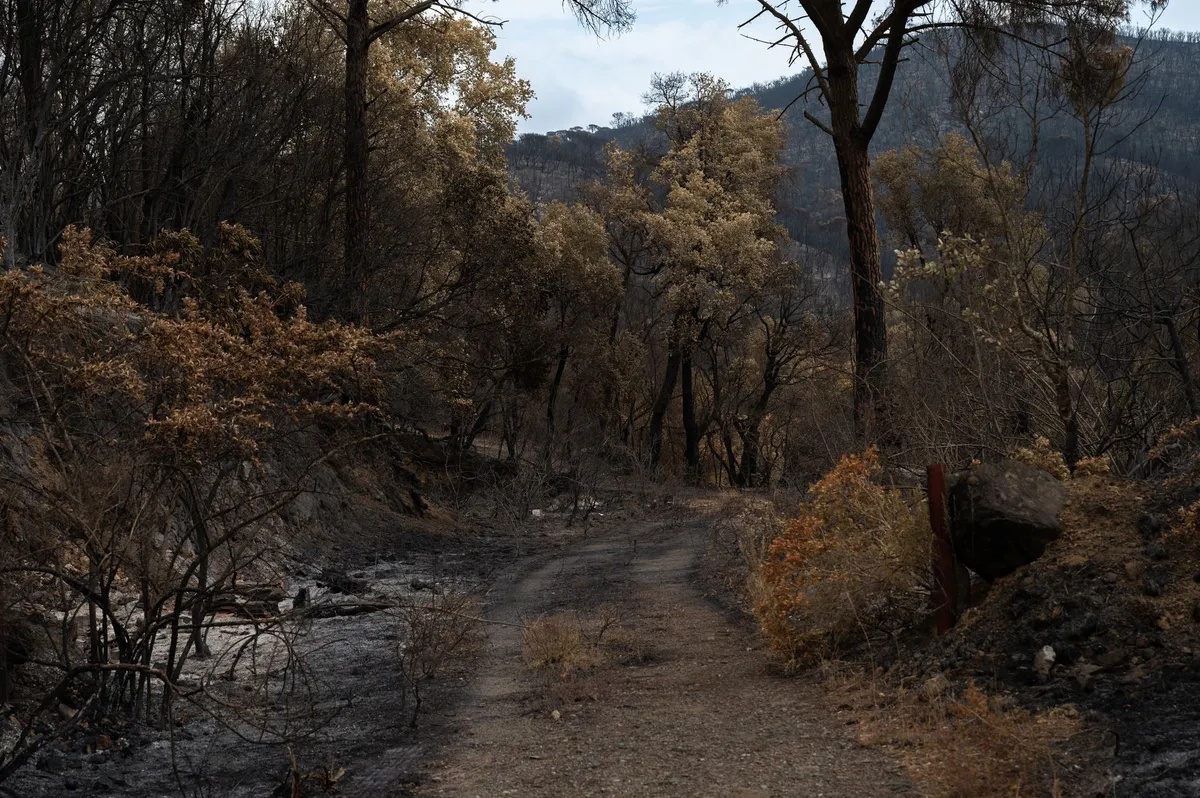
Historically, the insurance industry defined catastrophes based on their severity and predictability. Primary perils set the boundaries of catastrophic risk, while secondary perils contributed sporadically to tail losses. However, this distinction is increasingly problematic. In many geographic areas, the annual loss burden from severe convective storms and flooding is now on par with that of hurricanes. Moreover, wildfires are no longer confined to a single season; they can burn for extended periods, affecting portfolio performance long after the initial event has passed.
This blurring of the lines between primary and secondary perils indicates that the insurance industry must adapt its classification systems to reflect the realities of a changing climate. The multi-hazard nature of today’s risk landscape requires a more sophisticated approach to risk assessment and management.
Key Drivers of Change in Risk Assessment
Several critical factors are driving this shift in how we view secondary perils:
- Climate Variability: The increasing volatility of weather patterns is leading to more intense storms, prolonged wildfire seasons, and persistent flooding events.
- Growing Exposure: As urbanization continues, more properties are being built in fire-prone or flood-prone areas, increasing the potential for significant insured losses.
- Interconnected Perils: A single event can trigger multiple hazards, such as heavy rainfall leading to both flooding and landslides, creating complex loss profiles.
These factors have prompted catastrophe modeling firms to update their risk assessment models. The traditional peril-centric modeling approach is evolving into a more integrated, multi-peril framework that captures the complexities of modern risk.

Advancements in Catastrophe Modeling
To effectively address the evolving risk landscape, modeling firms are focusing on several key elements:
Multi-Peril Dependencies
These models account for how different perils co-occur and interact, including tail dependencies where extreme outcomes become more probable. For instance, the likelihood of catastrophic losses can increase when a hurricane is followed by heavy rainfall, leading to flooding in already affected areas.
Climate-Informed Scenario Sets
Modern models are incorporating forward-looking climate scenarios rather than relying solely on historical weather data. This approach allows insurers to anticipate potential shifts in risk severity and frequency due to climate change.
Dynamic Exposure Analysis
Insurers are also analyzing changes in vulnerability that arise from urbanization and new construction methods, which can affect how properties withstand various perils.
Data Richness and Validation
Utilizing satellite imagery and real-time environmental data enhances the calibration and governance of models, ensuring they reflect actual risk more accurately.

Implications for Pricing and Capacity
As the risk landscape broadens, the implications for pricing, capacity allocation, and treaty design are significant:
Premium Realism
Pricing must reflect the complete distribution of potential losses across all material perils, not just the expected losses. Insurers need to consider tail risk, volatility, and the correlations between different perils.
Capacity Allocation
When multiple perils combine, it challenges reinsurance capacity. The correlated losses reduce diversification benefits, which can strain balance sheets and limit how efficiently reinsurers can deploy their capacity.
Treaty Design
Traditional peril-specific treaties are being replaced by structures that recognize interdependencies across hazards. This includes:
- Peril-Agnostic Layers: Treaties that apply to a portfolio’s aggregate catastrophe risk, irrespective of which peril triggers the loss.
- Multi-Peril Triggers: Triggers that are calibrated to joint outcomes rather than a single peril, reflecting actual damage drivers.
- Index-Based Options: Parametric triggers tied to weather indices allow for rapid settlement and address gaps left by traditional triggers.
Governance and Regulatory Transparency
As models become more sophisticated, the need for robust governance practices increases. Boards and regulators are demanding transparency regarding correlations, tail risks, and the sensitivities of pricing to multi-peril dependencies. Essential governance practices include:
- Clear Documentation: Insurers must document their assumptions, including how climate scenarios were generated and how exposure growth is incorporated into loss projections.
- Model Risk Management: Regular back-testing, cross-model validation, and stress-testing against joint-peril events are crucial for maintaining model integrity.
- Communication: Engaging with rating agencies and regulators to articulate how treaty design reflects multi-peril realities ensures alignment with actual risk geography and product mix.
Key Takeaways
- The traditional categorization of perils is becoming outdated as secondary perils gain significance.
- Climate variability and urbanization are driving the need for a multi-peril risk assessment approach.
- Pricing strategies must evolve to reflect the complexities of multi-peril risks.
- Robust governance and transparency in modeling practices are essential for maintaining trust in the insurance industry.
Frequently Asked Questions
What are secondary perils in the context of insurance?
Secondary perils refer to weather events such as wildfires, floods, and severe storms that traditionally did not have as significant an impact on insurance losses compared to primary perils like hurricanes or earthquakes. However, as climate change exacerbates these events, their role in contributing to insured losses is becoming increasingly important.
Why is it important to rethink the classification of perils?
Rethinking the classification of perils is crucial because the traditional categories no longer accurately reflect the realities of modern risk. With the increasing frequency and severity of secondary perils, insurers must adapt their risk models and pricing strategies to ensure they can adequately cover potential losses and remain solvent.
How can insured individuals and businesses prepare for changes in insurance coverage?
Insured individuals and businesses can prepare by staying informed about the changing landscape of risk and understanding how it may affect their insurance premiums and coverage options. Engaging with insurance professionals to review policy terms and assess risks specific to their location can provide valuable insights into managing potential exposures.
What role does technology play in modernizing risk assessment in insurance?
Technology plays a vital role in modernizing risk assessment by enabling insurers to leverage advanced data analytics, satellite imagery, and real-time environmental data. These tools help improve the accuracy of catastrophe models, allowing insurers to better understand the complexities of multi-peril risks and make informed decisions regarding pricing and capacity allocation.
Comments
The Data Divide: How Access to Healthcare Information Shapes Employer Strategies
Employers are frustrated by rising healthcare costs, but a new survey reveals that access to data may be the key to effective cost management. Understanding the implications of this data divide can empower organizations to take actionable steps.

Related articles






Popular in Business Insurance
- Surging War-Risk Insurance Rates in the Strait of Hormuz: What It Means for Shipping
- Ross & Yerger Insurance Faces Class Action Over Data Breach Allegations
- Sompo Expands U.S. Workers' Compensation Portfolio with Service Insurance Acquisition
- Legal Battle Unfolds Over $1 Million Truck Crash Insurance Payout
- Howden Group's Ambitious Journey Toward IPO and Expansion