Trump Administration Targets 702 Regulatory Cuts: What It Means
The Trump administration is intensifying its efforts to cut federal regulations, proposing a historic plan to eliminate 702 rules. This article explores the implications for various sectors and the economy.
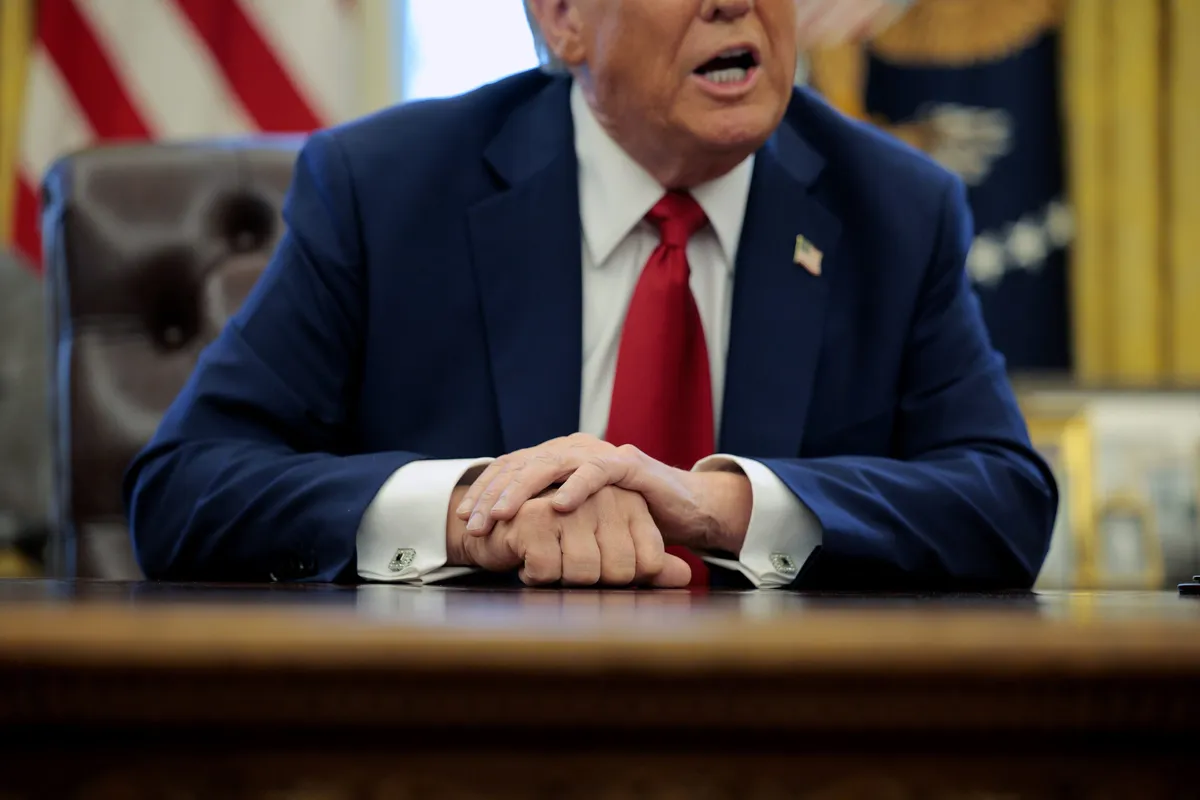
The Trump administration is embarking on a significant regulatory overhaul, aiming to eliminate an unprecedented 702 federal rules by the end of the current fiscal year in September 2026. This aggressive initiative marks a notable shift in regulatory policy, reflecting a broader agenda to reduce federal oversight across various sectors. With potential savings projected at $1.5 trillion, the implications of these cuts could resonate throughout the economy, impacting everything from environmental standards to workplace rights.
Released on July 7, 2026, this semiannual agenda outlines the administration's intention to scale back regulations that have been in place under previous administrations. Critics and supporters alike are weighing the potential benefits and drawbacks of such sweeping changes, igniting debates over economic growth, public safety, and environmental protection.
Understanding the Context of Deregulation
Regulatory reform is often a contentious issue in American politics. Advocates argue that reducing regulations can lead to increased economic activity, lower costs for consumers, and enhanced business competitiveness. Conversely, opponents assert that such rollbacks can jeopardize public health, safety, and environmental protections.
The Historical Landscape of Deregulation
Deregulation efforts are not new to the American political landscape. Historically, administrations from both parties have pursued regulatory reforms. However, under the Trump administration, there has been a concerted effort to dismantle a significant number of regulations established during the Obama and Biden presidencies. For context, the Trump administration has finalized more than 752 deregulations since the start of the current fiscal year, emphasizing a sharp increase in this trend.
- 2017: Trump signs an executive order mandating that agencies eliminate two regulations for every new rule they implement.
- 2021: The Biden administration begins reinstating several regulations that Trump had rolled back.
- 2026: Trump proposes the elimination of 702 additional regulations, aiming to reclaim a strong deregulatory agenda.

Specific Regulations Under Scrutiny
The Trump administration's recent proposal includes the elimination of several key regulations, particularly those related to environmental protection, energy efficiency, and workplace equity. Among the notable cuts are:
- Environmental Review Requirements: These reviews for energy projects are often seen as hurdles to development, but their removal raises concerns about potential ecological impacts.
- Energy Efficiency Standards: Standards that require appliances and vehicles to meet specific energy-saving criteria may be rolled back, potentially increasing energy consumption and costs for consumers.
- Diversity, Equity, and Inclusion Rules: Efforts to promote diversity in hiring practices could face significant changes, affecting workplace rights and opportunities.
The administration argues that these cuts will free businesses from burdensome regulations, potentially leading to job growth and economic savings. However, critics contend that such rollbacks may expose workers and consumers to risks previously mitigated by these regulations.

Projected Economic Impact
The administration estimates that the proposed regulatory cuts could result in a staggering $1.5 trillion in economic savings. A significant portion of these savings is attributed to the repeal of the 2009 “endangerment finding,” which identified greenhouse gases as a threat to human health and welfare. This determination underpinned many environmental regulations that were established to combat climate change.
Economic Arguments For and Against Deregulation
Proponents of deregulation argue that reducing regulatory burdens can lead to increased investments and lower prices for consumers. They assert that the costs associated with compliance often trickle down to consumers, making goods and services more expensive.
Conversely, opponents of these cuts highlight the potential long-term costs associated with environmental degradation, public health crises, and workplace inequities. They argue that regulations not only protect consumers but also foster a sustainable economy by ensuring that businesses adhere to safety and environmental standards.

The Role of Federal Agencies
The recent deregulatory agenda involves several federal agencies that have historically operated with a degree of independence. A recent Supreme Court ruling has necessitated that these agencies coordinate their regulatory actions with the Office of Information and Regulatory Affairs, a branch of the White House budget office. This shift suggests a tighter grip on regulatory processes, centralizing authority within the administration.
Notable agencies involved in the proposed cuts include:
- The Treasury Department: Considering changes to tax regulations affecting college endowments and business deductions.
- The Equal Employment Opportunity Commission: Moving to eliminate the “disparate impact” standard, which has been a critical tool in proving cases of racial discrimination.
- The Food and Drug Administration: Delaying regulations on food packaging, which would require clearer nutrient data for consumers.
Public Response and Future Implications
The public response to these regulatory cuts has been mixed, with supporters praising the administration's commitment to reducing government intervention in the economy, while detractors express concern over the potential ramifications of such sweeping deregulation. As the administration moves forward with its agenda, the implications could reverberate through multiple sectors, affecting everything from environmental health to consumer rights.
In the coming months, stakeholders across various industries will need to assess how these regulatory changes might impact their businesses and operations. Companies may need to recalibrate their compliance strategies and consider how to navigate a regulatory landscape that is likely to shift significantly.

Key Takeaways
- The Trump administration plans to eliminate 702 federal regulations, marking a significant deregulatory push.
- Projected savings from these cuts could reach $1.5 trillion, focusing primarily on environmental regulations.
- The public response is polarized, with debates centering on economic benefits versus the potential loss of protections.
- Federal agencies will now coordinate their regulatory efforts more closely with the White House, following a Supreme Court ruling.
- Businesses may need to adapt to a rapidly changing regulatory environment as these changes unfold.
Frequently Asked Questions
What are the main regulations targeted for elimination?
The Trump administration's plan focuses on eliminating regulations related to environmental reviews for energy projects, energy efficiency standards, and rules that promote diversity and inclusion in the workplace. These cuts are part of a broader strategy to reduce federal oversight and encourage economic growth.
How will these regulatory cuts affect the economy?
Proponents argue that deregulation can lead to lower costs for consumers and increased business investment, potentially driving economic growth. However, critics warn that removing regulations may lead to negative consequences for public health, safety, and the environment, which could incur long-term costs that outweigh short-term savings.
What role do federal agencies play in this process?
Federal agencies have traditionally operated with a degree of independence in enforcing regulations. However, recent changes require these agencies to coordinate their regulatory actions with the Office of Information and Regulatory Affairs in the White House, centralizing regulatory authority and potentially streamlining the process for implementing cuts.
How can businesses prepare for these regulatory changes?
Businesses should closely monitor the developments surrounding these regulatory cuts and assess how they might impact their compliance strategies. It may be beneficial for companies to engage in proactive discussions with legal and regulatory experts to navigate the evolving landscape and ensure they remain compliant with any new rules or cuts that may affect their operations.
Comments
Navigating the AI Layoff Wave: Microsoft Cuts 4,800 Jobs
Microsoft's recent layoffs signal a broader trend in the tech industry as companies adapt to AI's rising costs. Understanding the implications is crucial for employees and investors alike.

Related articles







Popular in Business Insurance
- Surging War-Risk Insurance Rates in the Strait of Hormuz: What It Means for Shipping
- Ross & Yerger Insurance Faces Class Action Over Data Breach Allegations
- Sompo Expands U.S. Workers' Compensation Portfolio with Service Insurance Acquisition
- Legal Battle Unfolds Over $1 Million Truck Crash Insurance Payout
- Howden Group's Ambitious Journey Toward IPO and Expansion