The Complex Insurance Web Behind the Caroline Bezengi Tanker Incident
The grounding of the Caroline Bezengi off Oman has unveiled a convoluted saga involving a sanctioned Russian insurer, environmental risks, and global maritime practices. As the situation unfolds, the implications for insurance regulations and environmental protection are profound.
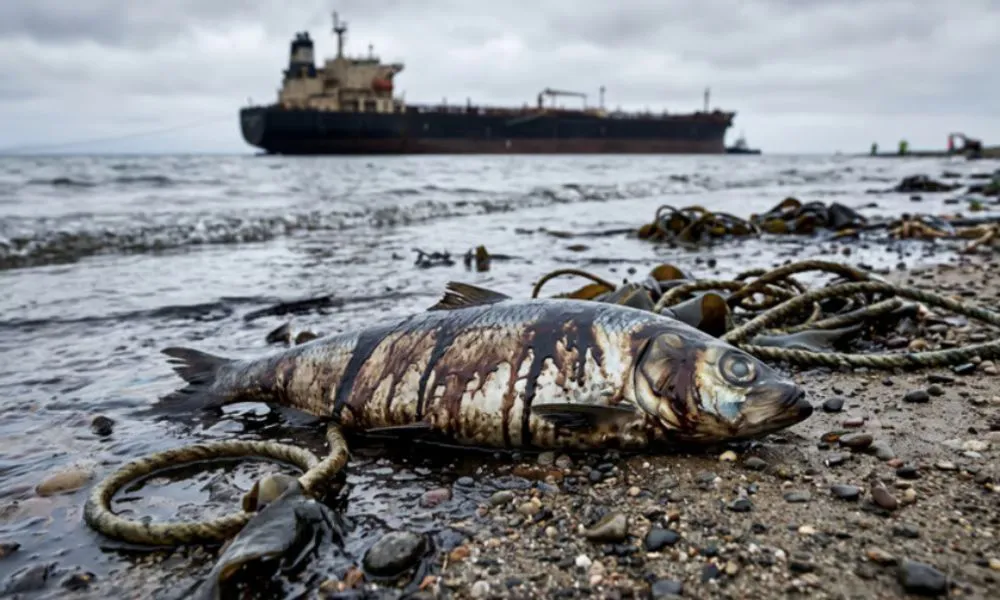
The grounding of the Caroline Bezengi, a Suezmax tanker off the coast of Oman, has thrust a spotlight on the often opaque world of maritime insurance, particularly amidst international sanctions and environmental crises. For weeks, the vessel's plight was marked by a conspicuous absence of accountability; the owner was unreachable, the flag registry had disowned the ship, and no recognized insurer had stepped forward to finance cleanup efforts. However, recent reports indicate a complex twist in this narrative: a sanctioned Russian insurer, AlfaStrakhovanie, is believed to be financing the salvage operations after securing necessary sanctions waivers. This development raises critical questions about the implications of dealing with sanctioned entities in the context of environmental disasters.
The Caroline Bezengi's situation is dire. Reports suggest that seven out of its twelve cargo tanks are currently leaking, posing a significant risk of environmental catastrophe as the vessel faces severe weather conditions associated with Oman’s Khareef monsoon. The urgent need for a salvage response reflects not only the precarious state of the ship but also the broader challenges of maritime insurance in a rapidly changing regulatory landscape.
The Role of Sanctioned Insurers in Maritime Incidents
The involvement of AlfaStrakhovanie, one of Russia's largest composite insurers, complicates the narrative surrounding the Caroline Bezengi. Sanctioned by the EU in December 2023 for its role in insuring vessels transporting Russian crude oil, AlfaStrakhovanie's participation in funding the salvage operation raises significant legal and regulatory concerns. The International Maritime Organization's resolution A.1192(33) highlights the high-risk practices associated with such vessels, further amplifying scrutiny on the legitimacy of the salvage operation financed by a sanctioned entity.
Understanding the Legal Framework
Transacting with a sanctioned entity like AlfaStrakhovanie generally requires a specific license. In this case, reports indicate that a waiver was necessary for salvors to access funds linked to the insurer, as regulators like the U.S. Treasury's Office of Foreign Assets Control (OFAC) and the UK's Office of Financial Sanctions Implementation (OFSI) may grant licenses for humanitarian and environmental purposes. However, the exact nature of this waiver remains unclear, raising questions about compliance and oversight in emergency maritime operations.
The Environmental Implications of the Incident
The environmental stakes involved in the Caroline Bezengi incident cannot be overstated. Recent estimates suggest that the oil slick has expanded to cover over 2,000 square kilometers, threatening approximately 40 kilometers of Omani coastline near Ras Madrakah and potentially affecting Masirah Island. This is a significant escalation from earlier, lower estimates, underscoring the challenges in capturing the true scale of such spills.
The Risk to Marine Biodiversity
Among the most critical concerns is the potential impact on marine biodiversity. Oman's marine reserve is home to one of the smallest and most endangered populations of humpback whales on Earth. The repercussions of an oil spill can be devastating, affecting not only the immediate ecosystem but also the livelihoods of local communities dependent on marine resources.
- Oil slick size: Estimated at over 2,000 square kilometers.
- Threatened areas: Omani coastline near Ras Madrakah and Masirah Island.
- Marine biodiversity: Potential harm to endangered humpback whale populations.

The Challenges of Salvage Operations
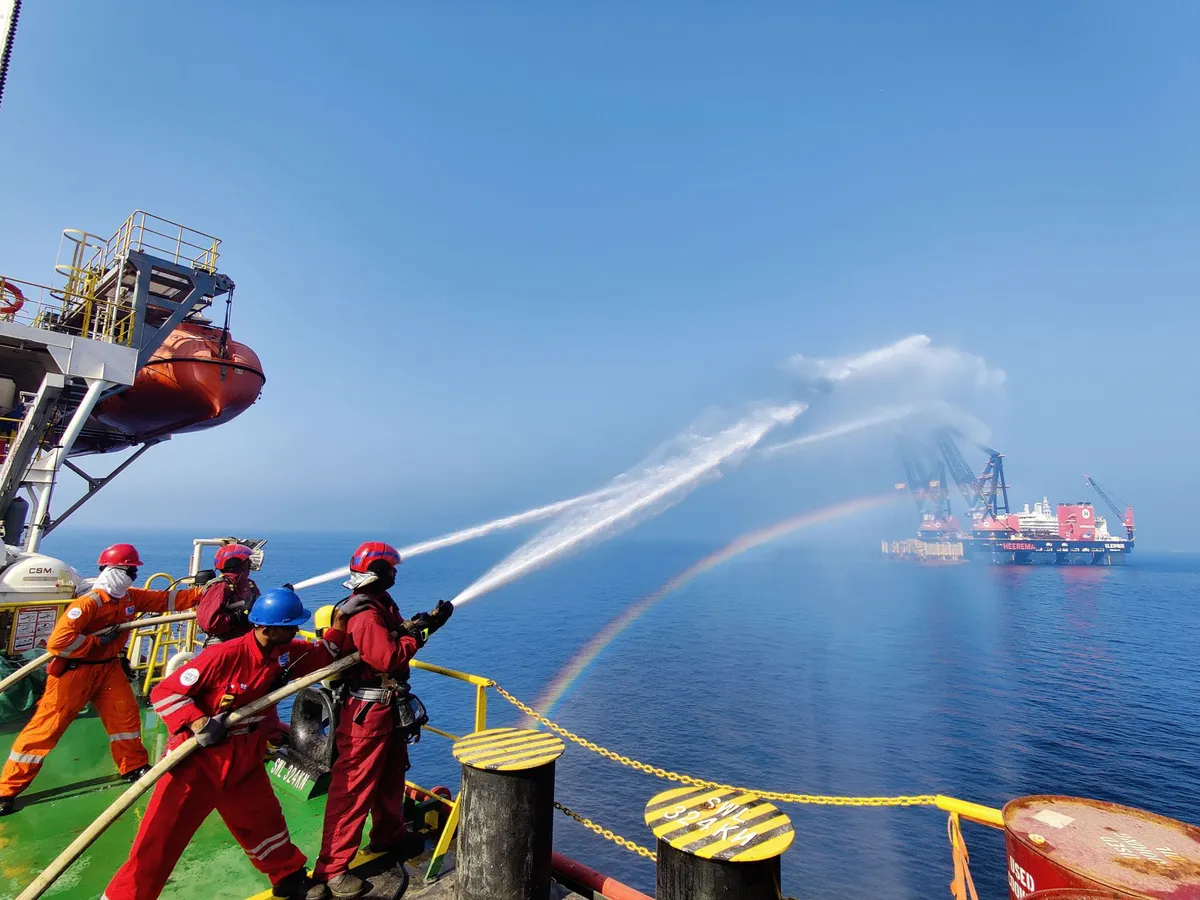
Despite the secured funding for salvage operations, the logistical challenges are formidable. Ambrey, a risk consultancy, has engaged an international oil spill response firm and mobilized vessels, aircraft, and approximately 100 tons of equipment to address the crisis. However, the adverse weather conditions, including fog, rain, and rough seas, have complicated efforts. Reports describe the operation as “extremely challenging,” with the vessel's structural integrity in question as it continues to leak from multiple cargo tanks.
Historical Context of the Incident
Understanding the timeline of events is critical to grasping the full scope of this incident. The crew reported a suspected explosion on June 8, 2023, off the coast of Yemen, yet the reports surrounding the vessel’s grounding on June 30 vary. This discrepancy highlights the difficulties in tracking maritime incidents and underscores the need for transparent reporting in the shipping industry.
Insurance Landscape and Regulatory Gaps
The insurance landscape for maritime operations involving Russian-linked vessels has changed dramatically since 2022, particularly after the imposition of sanctions. Western Protection & Indemnity (P&I) clubs, which cover most of the world's ocean-going tonnage, have largely withdrawn from insuring Russian-linked vessels. This shift has left a void filled primarily by domestic Russian insurers and state-linked reinsurance vehicles, which operate outside the traditional P&I framework. Such insurers often lack the capital and claims-paying ability necessary to cover significant pollution incidents, presenting a real risk in case of claims arising from disasters like the Caroline Bezengi.
Verification of Coverage
Research indicates that more than a third of the global tanker fleet lacks verifiable insurance data, particularly for vessels transporting Russian crude. The challenges of confirming coverage can complicate efforts to hold parties accountable during incidents, as documented by the Kyiv School of Economics Institute. The lack of transparency surrounding insurance terms and the actual capacity to respond to claims raises critical questions about the viability of these arrangements in the event of large-scale disasters.
Key Takeaways
- The Caroline Bezengi incident highlights the complexities of maritime insurance amid international sanctions.
- AlfaStrakhovanie’s involvement raises legal and regulatory concerns regarding sanctioned entities.
- The environmental impact of the oil spill poses significant threats to marine biodiversity in Oman.
- Salvage operations are hampered by logistical challenges and adverse weather conditions.
- The shifting insurance landscape has created gaps in accountability and coverage for maritime incidents.
Frequently Asked Questions
What is the Caroline Bezengi incident?
The Caroline Bezengi incident refers to the grounding of a Suezmax tanker off the coast of Oman, which has resulted in significant oil leaks and environmental concerns. The situation has been complicated by the involvement of a sanctioned Russian insurer, AlfaStrakhovanie, which is reportedly financing salvage operations.
Why is AlfaStrakhovanie's role controversial?
AlfaStrakhovanie is a sanctioned Russian insurer, meaning that transactions with it typically require special licenses. The fact that it is funding salvage operations linked to an environmental disaster raises questions about compliance with international sanctions and the potential ramifications of working with sanctioned entities.
What are the environmental risks associated with the oil spill?
The oil spill from the Caroline Bezengi has expanded significantly, threatening marine biodiversity, including endangered species such as humpback whales. The spill's impact on the local ecosystem and communities dependent on marine resources is a critical concern.
How has the maritime insurance landscape changed since sanctions were imposed?
Since sanctions were imposed on Russia in 2022, many Western P&I clubs have exited the market for insuring Russian-linked vessels. This has led to a rise in domestic Russian insurers, which may lack the necessary capital and transparency to respond effectively to claims arising from incidents like the Caroline Bezengi, creating gaps in accountability.
Comments
Navigating Duty to Defend: Insights from Mt. Hawley's Case
A recent Eleventh Circuit ruling highlights the complexities of insurer duties in construction-related injuries. This article explores the implications of the Mt. Hawley case for insurers and contractors.

Related articles







Popular in Business Insurance
- Surging War-Risk Insurance Rates in the Strait of Hormuz: What It Means for Shipping
- Ross & Yerger Insurance Faces Class Action Over Data Breach Allegations
- Sompo Expands U.S. Workers' Compensation Portfolio with Service Insurance Acquisition
- Legal Battle Unfolds Over $1 Million Truck Crash Insurance Payout
- Howden Group's Ambitious Journey Toward IPO and Expansion