Speeding Normalization: A Growing Concern for Road Safety
A recent AAA study reveals that many drivers consider speeding acceptable, raising alarms about road safety. This article delves into the findings and their implications for drivers, policymakers, and insurance rates.
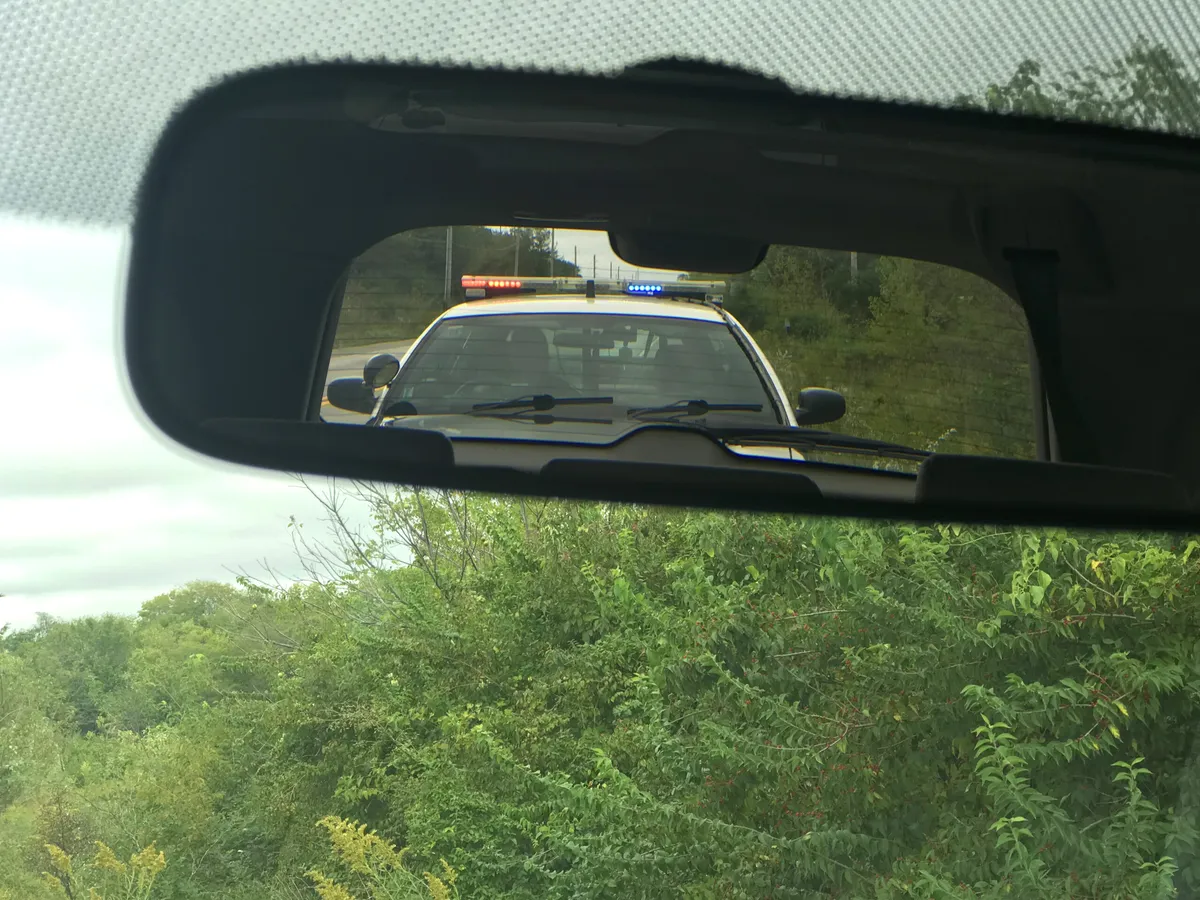
As the speedometer needle creeps past the posted limit, many drivers feel increasingly justified in their decision to accelerate. A recent study by the AAA Foundation for Traffic Safety (AAAFTS) reveals a troubling trend: a significant number of American motorists consider speeding acceptable, even in light of the inherent risks. This normalization of speeding not only poses a threat to road safety but also impacts insurance premiums and liability considerations.
The AAAFTS study shows that while the majority of drivers agree that speed limits are appropriate, a large portion—nearly half—believe that driving 10 mph over the limit is acceptable. Furthermore, many drivers feel that keeping pace with surrounding traffic is safer than adhering strictly to posted limits. These findings raise crucial questions about safety culture on the roads and the implications for public policy and insurance.
The Alarming Statistics Behind Speeding
According to data from the National Highway Traffic Safety Administration (NHTSA), speeding was a contributing factor in nearly 30% of traffic fatalities in 2024. These statistics indicate that speeding not only increases the likelihood of accidents but also exacerbates their severity. Dr. David Yang, president of the AAAFTS, highlights that when drivers prioritize the speed of their fellow motorists over the law, it contributes to a culture where the risks of speeding are downplayed. This perception can lead to increased crashes and fatalities, creating a pressing need for effective interventions.
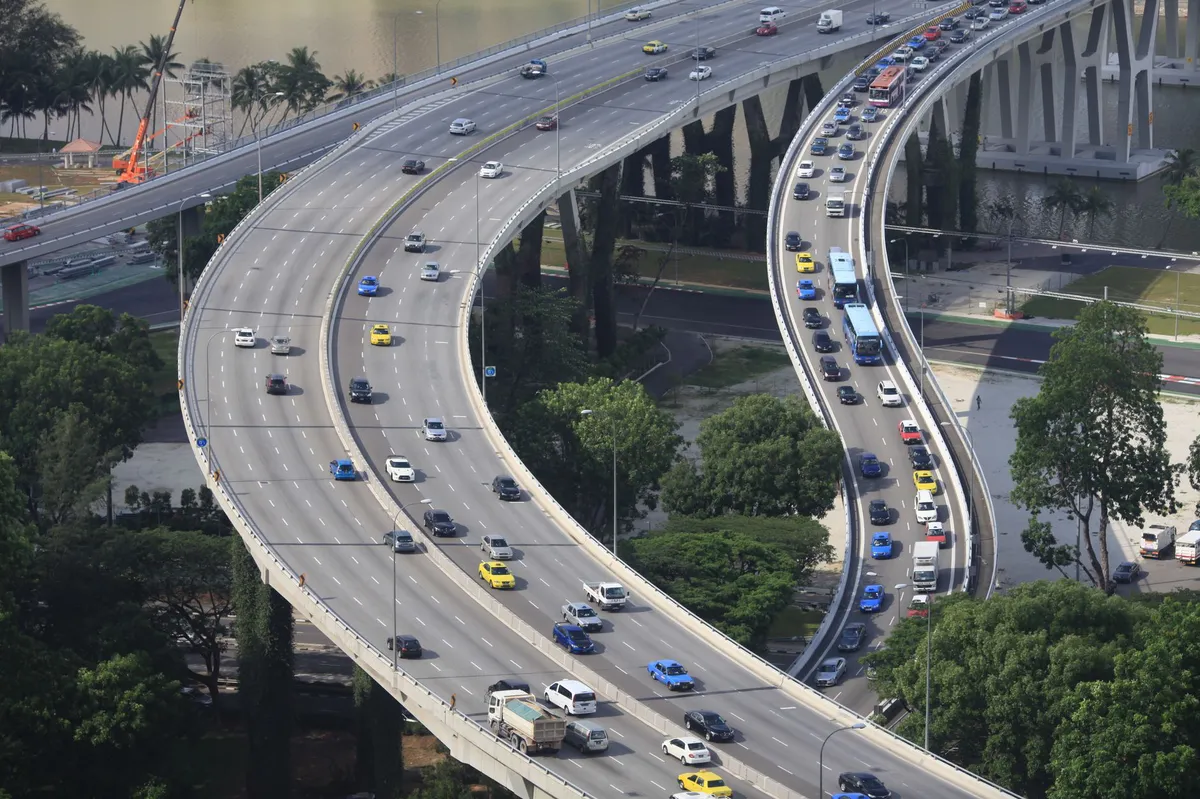
Why Are Drivers Speeding?
The motivations behind why drivers choose to exceed speed limits are multifaceted. The AAA study identifies several key reasons:
- To get around slower drivers: 31% of respondents admitted to speeding to overtake slower vehicles.
- To reach their destination faster: 25% indicated that time savings motivated their decisions.
- To avoid holding up traffic: 21% felt pressured to maintain higher speeds to keep traffic flowing.
Conversely, the primary reasons drivers cited for adhering to speed limits included:
- To avoid getting a ticket: A significant 79% of drivers cited this as a deterrent.
- To avoid crashes: 72% mentioned safety as a reason to slow down.
- Bad weather: 60% indicated that adverse conditions prompted them to reduce speed.
This dichotomy reveals a complex relationship between perceived urgency and actual safety, underscoring the need for educational initiatives that emphasize the dangers of speeding.
Public Sentiment on Speeding Countermeasures
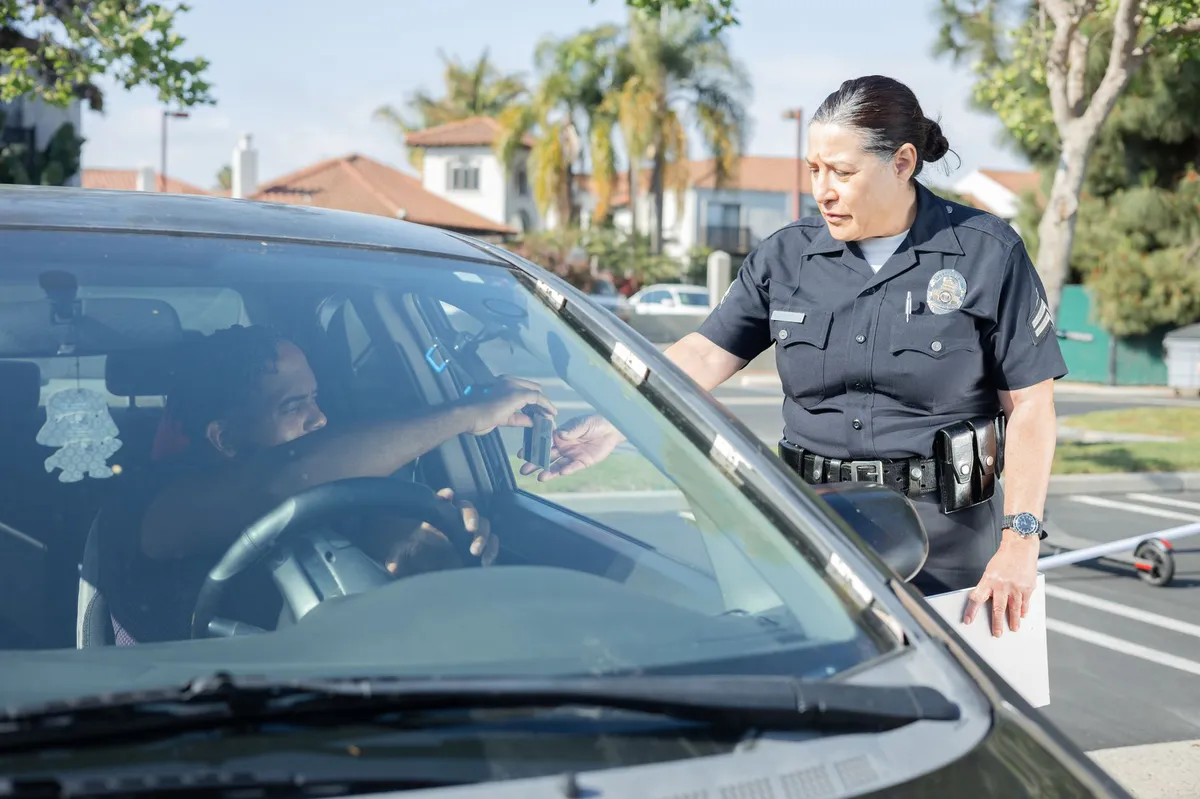
The AAA study also explored public attitudes towards various speed enforcement strategies. Interestingly, drivers expressed a preference for measures that encourage compliance over those that impose restrictions. For instance, a substantial 87% supported increased police presence in areas prone to speed-related accidents, while 70% favored the implementation of automated speed cameras in these locations.
Despite this support for law enforcement measures, the study found that drivers were less enthusiastic about technologies that remove driver choice, such as systems that automatically limit vehicle speed. The perceived loss of control over their driving experience led to diminished support for such interventions. Dr. Yang stated, "There is no silver bullet for addressing traffic safety risks caused by speeding. Understanding which strategies drivers are most willing to adopt can help policymakers and safety professionals develop interventions that are both effective and publicly acceptable."

The Role of Driver Education
Dr. Bill Van Tassel, manager of AAA's national driver training program, emphasizes the importance of selecting appropriate speeds. He suggests that choosing the right speed isn't merely about how quickly one can reach a destination or matching the pace of other drivers; it's fundamentally about maintaining the time and space necessary to react to unexpected situations on the road. This approach to driving is essential for preventing crashes and ensuring overall road safety.
Insurance Implications of Speeding
The normalization of speeding has significant ramifications for auto insurance. As speeding increases the risk of accidents, insurers may respond by raising premiums for drivers who exhibit risky behaviors. In addition, drivers who receive speeding tickets or are involved in accidents may face higher premiums or even difficulty obtaining coverage. Insurers evaluate risk based on drivers' records, and an increase in speeding violations can lead to a reassessment of an individual's risk profile.
Moreover, the growing acceptance of speeding can complicate claims processes. If a driver is speeding at the time of an accident, they may be deemed partially or fully at fault, impacting their ability to recover damages. Understanding these implications is crucial for drivers as they navigate the insurance landscape, particularly in light of the study's findings regarding the normalization of speeding.
Key Takeaways
- Many drivers now view speeding as acceptable, with nearly half believing driving 10 mph over the limit is safe.
- Speeding contributed to 30% of traffic fatalities in 2024, highlighting a critical public safety issue.
- Public sentiment supports police presence and automated speed enforcement but is wary of technology that removes driver choice.
- Driver education is vital in reshaping attitudes towards safe driving speeds.
- Insurance costs and claims processes can be significantly affected by speeding behaviors.
Frequently Asked Questions
Why do people speed if they know it's dangerous?
Many drivers speed due to a mix of urgency and social pressure. They may feel that keeping up with the flow of traffic is safer or more efficient, despite the risks. Additionally, some drivers prioritize reaching their destinations quickly, often overlooking the potential consequences of their actions. Educational efforts targeting these attitudes may help curb the normalization of speeding.
How does speeding impact insurance premiums?
Speeding can lead to increased insurance premiums because insurers view it as a sign of risky driving behavior. Drivers who receive speeding tickets or are involved in accidents while speeding may face higher rates, or even difficulty obtaining coverage. Insurers assess risk based on a driver’s history, and frequent violations can result in a reassessment of that risk.
What are some effective ways to encourage safer driving speeds?
Encouraging safer driving speeds can involve a combination of enforcement and education. Increasing police presence in high-risk areas, implementing automated speed cameras, and promoting public awareness campaigns about the dangers of speeding can all contribute to safer driving behaviors. Additionally, driver education programs that emphasize the importance of speed choice can help reshape attitudes towards speeding.
What role does technology play in speeding enforcement?
Technology plays a significant role in modern speeding enforcement, from automated speed cameras to in-vehicle Intelligent Speed Assistance (ISA) systems. While many drivers support the use of automated enforcement, resistance arises when technology restricts their ability to make choices. Balancing enforcement with driver autonomy is crucial for gaining public acceptance of these technologies.
Comments
Court Ruling: Allstate Not Liable for Driver of Deceased Policyholder's Car
A New York appellate court has ruled that Allstate is not obligated to defend or pay for a driver who crashed a deceased policyholder's car without permission. This decision clarifies the complexities surrounding auto insurance policies following the death of the named insured.
Related articles


Popular in Car Insurance
- Consumer Sues GEICO and LexisNexis Over Identity Theft Claims Data Error
- Addressing Self-Driving Cars' Interference with Emergency Services
- Florida Court Reverses PIP Ruling, Favoring State Farm in Key Dispute
- NHTSA Investigates Nearly 1 Million GM Vehicles for Engine Failures
- OpenRoad Insurance Expands Classic Car Coverage to 40 States