The Future of Driverless Cars: Steering Wheels No Longer Required?
The National Highway Traffic Safety Administration is considering lifting the requirement for steering wheels in autonomous vehicles, which could revolutionize the design of driverless cars. This shift could significantly impact automakers like Tesla as they push towards a future of fully autonomous transport.
The landscape of automotive transportation is on the brink of a monumental shift, with the National Highway Traffic Safety Administration (NHTSA) signaling that it may soon allow the production of driverless cars without traditional steering wheels. This transformative move, advocated by Jonathan Morrison, head of the NHTSA, stands to redefine not only vehicle design but also the fabric of urban mobility as we know it.
In a recent interview, Morrison stated, "If you’re developing a vehicle that is designed never to be driven by a human operator, it doesn’t make any sense to require manual controls." This statement marks a significant pivot in regulatory thinking, aligning with ongoing innovations in automotive technology and the growing momentum behind autonomous vehicles, particularly from companies like Tesla.
Understanding the Regulatory Landscape
Regulation has long been a crucial factor in the development and deployment of autonomous vehicles. The NHTSA has been proactive in updating federal safety standards to adapt to the evolving automotive landscape. Just last month, they announced changes that would eliminate the requirement for manual brake pedals in vehicles designed to operate exclusively without human drivers.
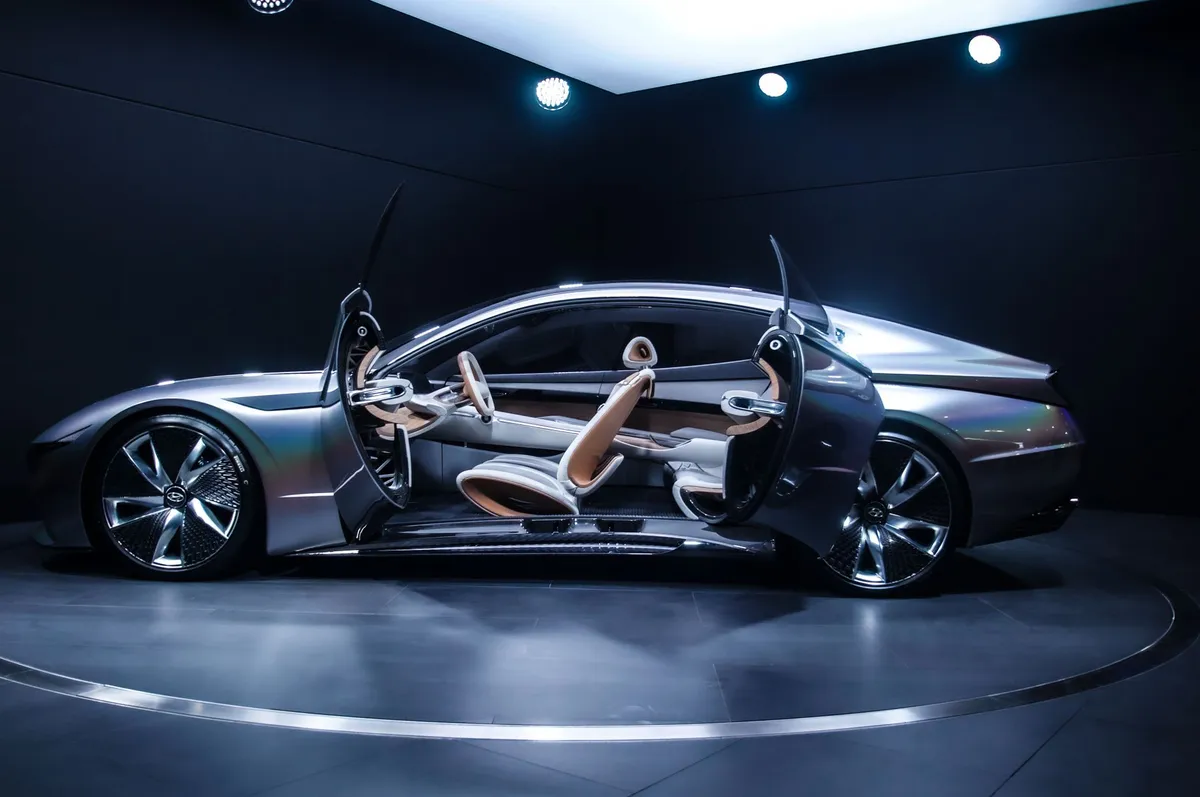
The implications of these changes are profound. By removing traditional controls, manufacturers can design vehicles that are not only more efficient but also optimized for autonomous operation. This move could facilitate the introduction of innovative models like Tesla’s Cybercab, which is engineered for driverless service, lacking conventional steering and foot pedals.
The Rise of Robotaxis
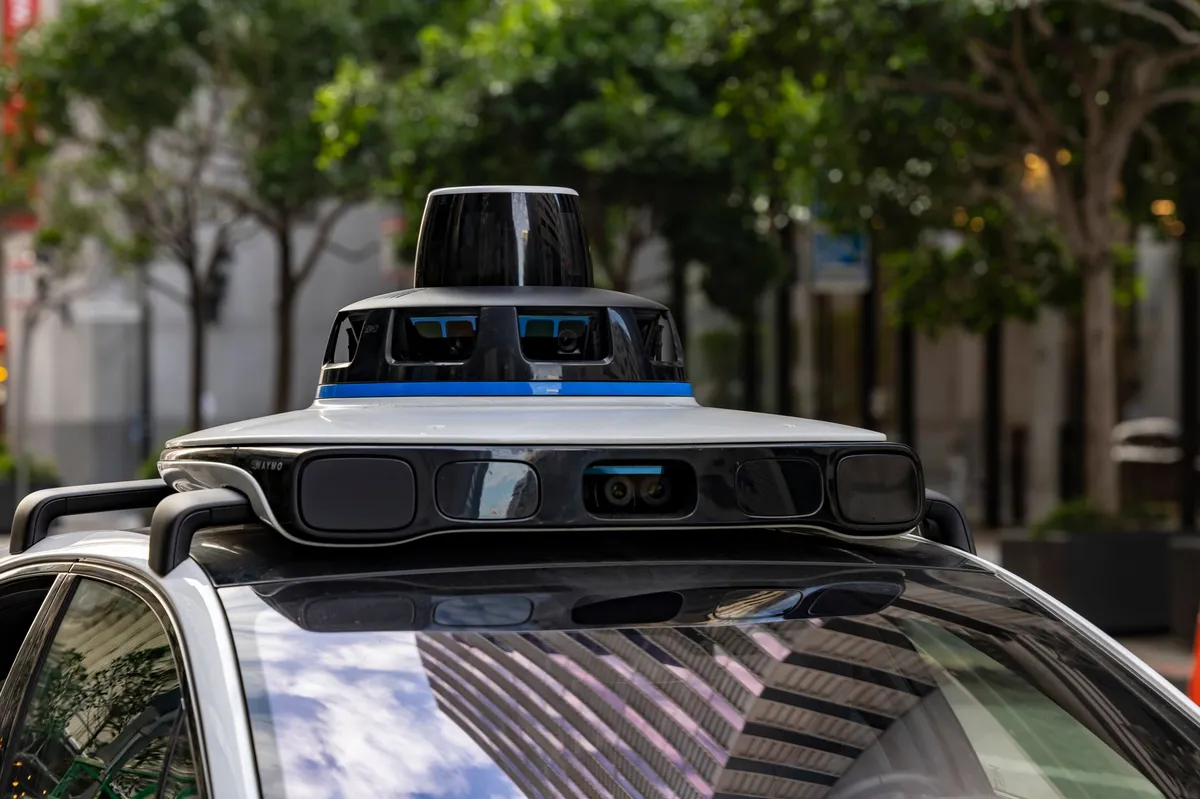
The potential removal of steering wheel requirements is particularly significant for the burgeoning robotaxi market. Companies such as Tesla, Amazon's Zoox, and Alphabet's Waymo are at the forefront of this sector, each aiming to deliver autonomous ride-hailing services that could transform urban transportation.
Waymo, for example, has already begun offering paid robotaxi rides in select cities, showcasing the feasibility of fully autonomous vehicles in real-world conditions. As these technologies evolve, the role of human drivers is expected to diminish, paving the way for shared, on-demand transportation solutions.
Impact on Vehicle Design
The shift away from requiring steering wheels and other manual controls could lead to a wave of creativity in vehicle design. Here are some expected changes:
- Increased Interior Space: Without the need for a driver’s seat and associated controls, manufacturers can redesign interiors to maximize passenger comfort and utility.
- Enhanced Safety Features: Autonomous vehicles can be equipped with advanced sensor systems that improve safety beyond what manual controls can offer.
- Cost Efficiency: Manufacturing costs may decrease as traditional components like steering mechanisms are eliminated, potentially lowering vehicle prices for consumers.
The Role of Automakers in Shaping Policy
Automakers, particularly those focusing on autonomous technology, are keenly aware of the regulatory environment as they develop their products. Tesla's CEO, Elon Musk, has been a vocal advocate for a cohesive federal framework that supports the rollout of driverless technology. His push for regulatory reform aligns with a broader industry trend where companies are lobbying for rules that favor innovation while ensuring safety.
As automakers ramp up production of autonomous models like the Cybercab, the pressure on regulators to adapt existing frameworks will increase. This dynamic relationship between industry and regulation will be pivotal in determining how quickly and effectively autonomous vehicles can be integrated into everyday life.
Challenges Ahead for Autonomous Vehicles
While the potential for steering-less cars is exciting, significant challenges remain. Key obstacles include:
- Safety Concerns: The transition to fully autonomous vehicles raises questions about safety and liability, particularly in the event of accidents.
- Public Acceptance: Gaining consumer trust in driverless technology is crucial. Many people remain skeptical about the safety of self-driving cars.
- Infrastructure Needs: Urban infrastructure may require upgrades to accommodate autonomous vehicles effectively, including smart traffic systems and dedicated lanes.
Key Takeaways
- The NHTSA is considering lifting steering wheel requirements for fully autonomous vehicles.
- This regulatory change could significantly impact the design and manufacturing of robotaxis.
- Companies like Tesla, Waymo, and Zoox are leading the charge in the autonomous vehicle market.
- Key challenges such as safety, public acceptance, and infrastructure must be addressed for widespread adoption.
Frequently Asked Questions
What are the implications of removing steering wheels from self-driving cars?
Removing steering wheels from self-driving cars could lead to more efficient designs specifically tailored for autonomous operation. It allows manufacturers to rethink vehicle layouts, potentially enhancing passenger space and comfort while also reducing production costs. This regulatory shift could accelerate the deployment of robotaxis and other innovative transportation solutions.
How will safety regulations adapt to autonomous vehicles?
Safety regulations are likely to evolve as the technology develops. The NHTSA's recent updates to federal safety standards reflect a growing recognition of the unique nature of autonomous vehicles. Future regulations will need to focus on the technology used in autonomous systems, including sensor capabilities and software reliability, rather than traditional vehicle controls.
What challenges do autonomous vehicles face in gaining public acceptance?
Public acceptance of autonomous vehicles is a significant hurdle. Many consumers remain wary of self-driving technology due to safety concerns and a lack of understanding of how these vehicles operate. Education and transparency from manufacturers, along with demonstrated safety records, will be essential in building trust and acceptance among potential users.
How are automakers preparing for the future of driverless cars?
Automakers are investing heavily in research and development of autonomous technologies. Many are collaborating with tech companies to enhance their capabilities in AI and machine learning, which are critical for self-driving systems. Additionally, they are actively engaging with regulators to shape policies that will facilitate the safe and efficient deployment of driverless vehicles in urban environments.
Comments
Kia's Recall Alert: 463,000 Owners Advised to Park Outside Due to Fire Risks
The National Highway Traffic Safety Administration has issued a critical warning for nearly half a million Kia owners due to potential fire hazards linked to faulty seat motors. This comprehensive article delves into the implications of the recall and essential actions for affected consumers.

Related articles
Popular in Car Insurance
- Consumer Sues GEICO and LexisNexis Over Identity Theft Claims Data Error
- Addressing Self-Driving Cars' Interference with Emergency Services
- Florida Court Reverses PIP Ruling, Favoring State Farm in Key Dispute
- NHTSA Investigates Nearly 1 Million GM Vehicles for Engine Failures
- OpenRoad Insurance Expands Classic Car Coverage to 40 States