Study Reveals Police Underreporting of Cellphone Use in Traffic Crashes
A revealing study shows that police reports significantly underestimate cellphone use leading up to car crashes. Using telematics data, researchers highlight the gap and its implications for road safety.
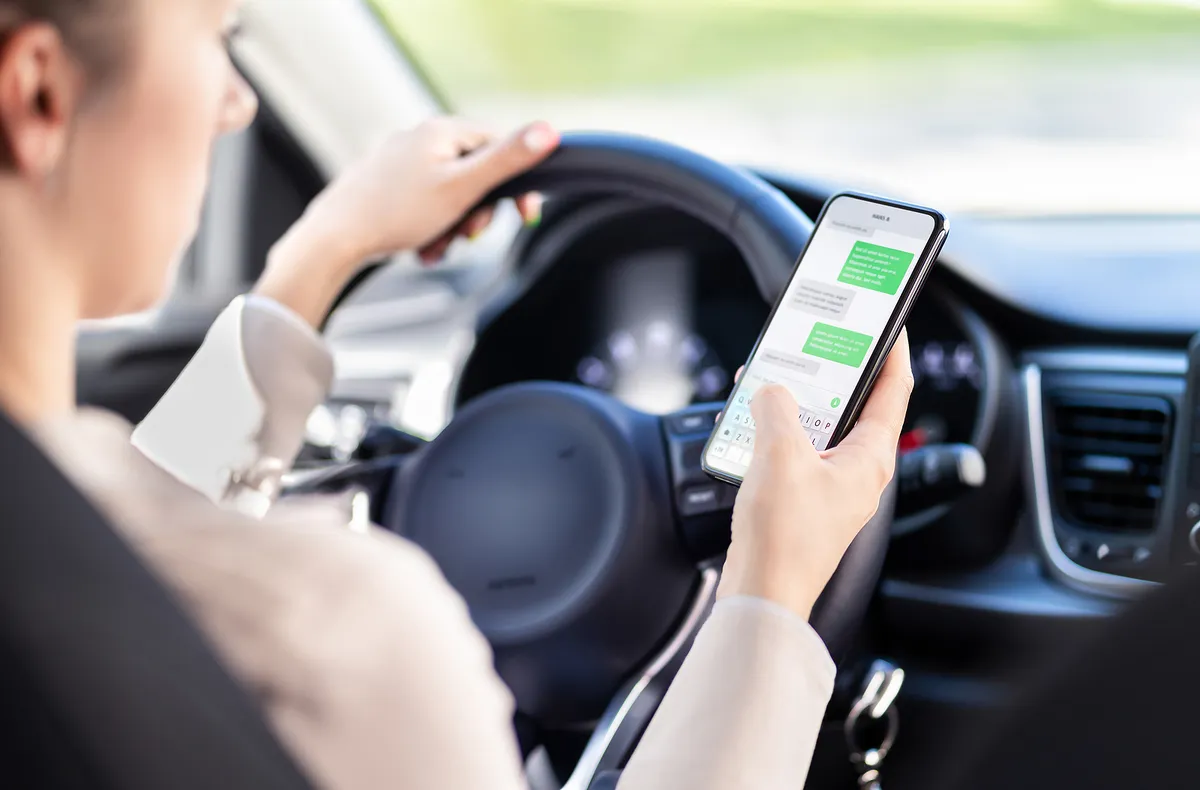
In a groundbreaking study released by the Insurance Institute for Highway Safety (IIHS), evidence has emerged that police reports dramatically undercount the prevalence of cellphone use leading up to automobile crashes. While police reports traditionally reflect minimal cellphone engagement, telematics data from safe-driving apps reveal a stark contrast, indicating that drivers are using their phones far more frequently than recorded. This discrepancy raises significant questions about road safety and the accuracy of data used to inform traffic regulations and insurance policies.
The study, which analyzed anonymized data from Cambridge Mobile Telematics (CMT) over several years, shows that cellphone use prior to crashes is underestimated by a staggering factor of at least seven. IIHS President David Harkey highlighted the depth of the issue, explaining that police often miss the nuances of mobile phone use due to factors such as witness visibility and driver admission. As smartphone functionalities become increasingly complex, understanding their impact on driving safety is essential.
The Role of Telematics in Understanding Distracted Driving
Telematics technology, which collects and analyzes driving data through driver-enrolled safe-driving apps, has provided new insights into the patterns of driver behavior just before accidents occur. In this study, researchers focused on nearly 17,000 linked crashes across four states from 2021 to 2024. They compared telematics data with police reports to ascertain how frequently drivers were using their cellphones at the time of the incidents.
Findings on Cellphone Use Before Crashes
- In single-vehicle crashes, cellphone use was recorded at a rate of 7% by telematics, compared to less than 1% in police reports.
- For two-vehicle crashes, the numbers are similarly revealing: telematics indicated an 8% usage rate, while police reported under 1%.
- Active manipulation of cellphones, such as tapping or swiping, was noted in hundreds of cases, whereas police reports captured almost none of this behavior.
The stark contrast in numbers indicates a severe underrepresentation in official records, which could lead to flawed public policies and safety measures. For example, the study highlighted that in two-vehicle crashes, the telematics data indicated significant engagement with devices, including:
- 14 hand-held calls
- 53 hands-free calls
- 287 instances of manipulation of the device
- 337 instances of passive use (screen unlocked, but not actively engaged)
In comparison, police reports noted a mere six hand-held calls and only one hands-free call, showcasing the inadequacy of current reporting methods.
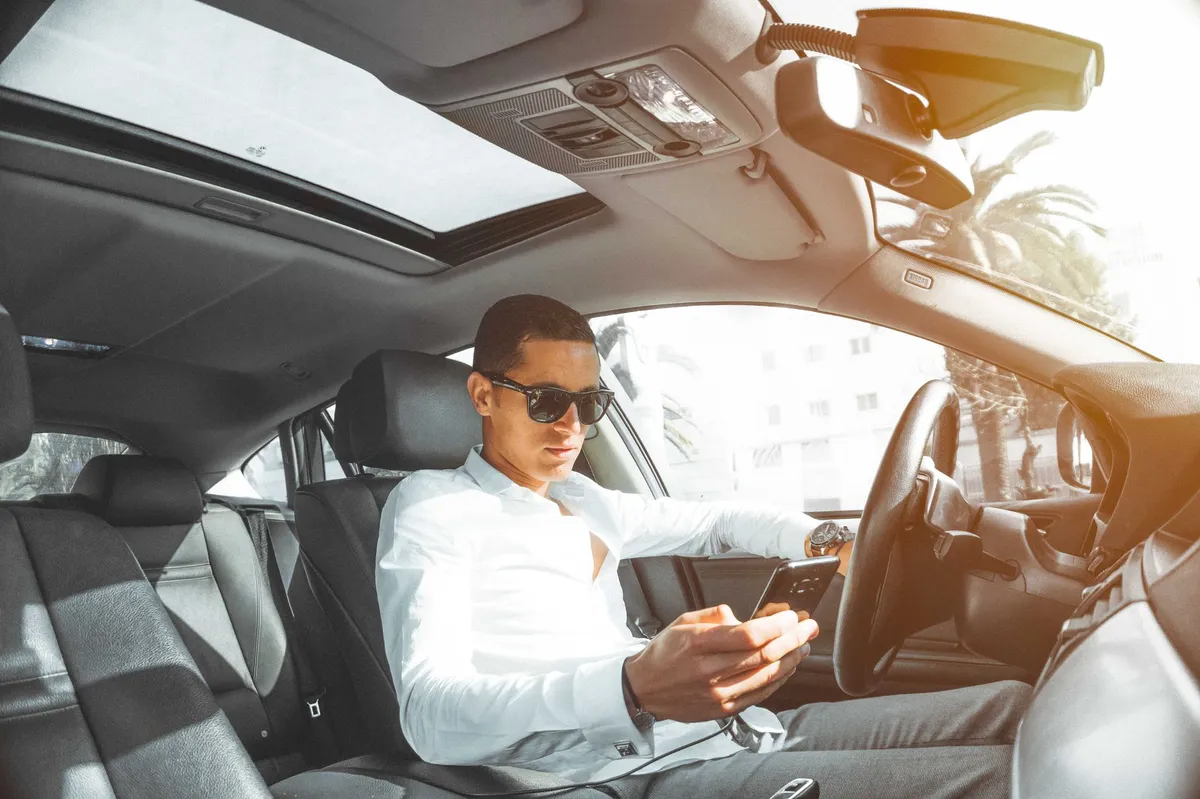
Understanding Distracted Driving and Its Risks
The ramifications of distracted driving are severe. Studies indicate that taking your eyes off the road for just two seconds can double the likelihood of a crash or near-miss event. This statistic is particularly alarming given the increasing complexity of smartphone uses, with many drivers engaging in tasks that require more than just a passing glance at their devices.
Passive vs. Active Use
Researchers also differentiated between passive and active cellphone use. Passive use occurs when the phone is unlocked and visible, but the driver is not actively engaging with it. This can include instances where drivers are using navigation apps, which can lead to dangerous distractions if they divert attention from the road for too long. Alarmingly, a separate IIHS survey indicated that nearly 25% of respondents admitted to watching videos on their phones while driving in the past month.
The telematics data, however, do not capture how long drivers looked at their screens before crashes, nor do they account for activities conducted through systems like Apple CarPlay or Android Auto, where the phone does not need to be actively engaged. These limitations highlight the need for more comprehensive data gathering to address the problem effectively.
Challenges in Police Reporting
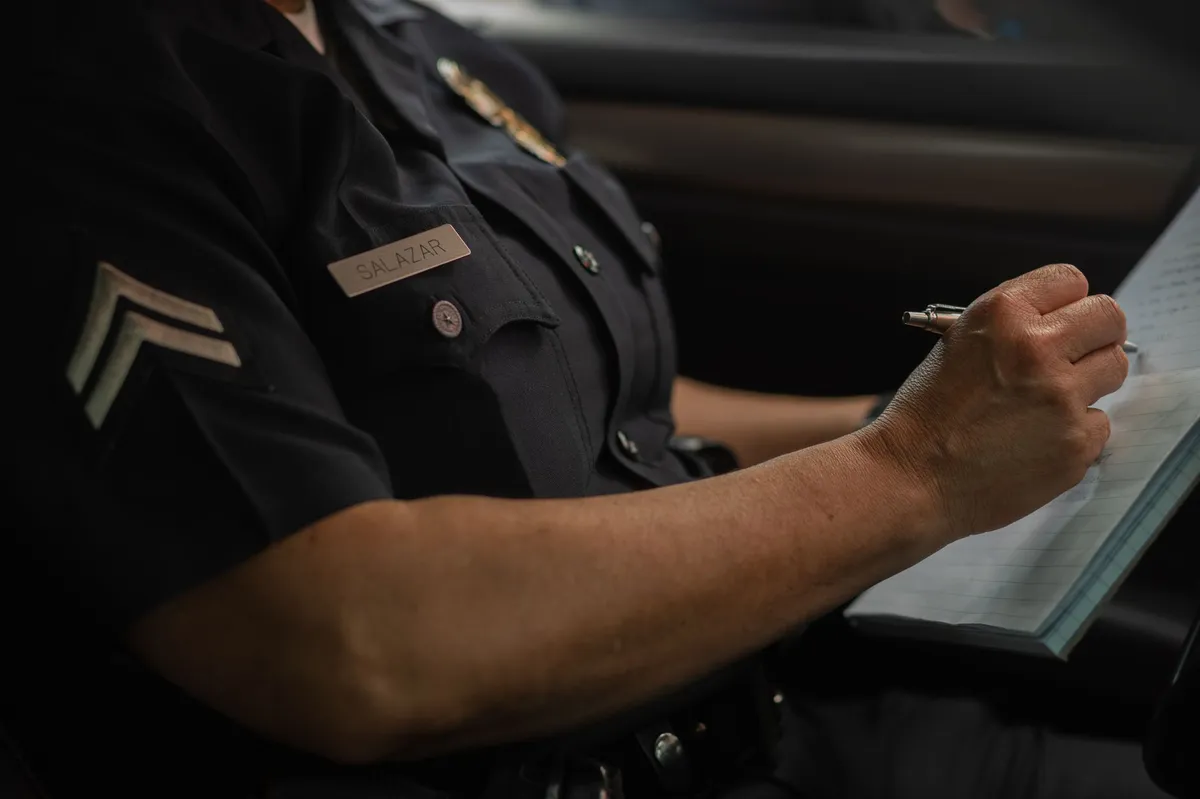
One significant issue identified in the study is the inherent difficulty in accurately determining cellphone use post-accident. Police reports often lack precise details regarding the nature of a driver’s interaction with their phone. Given that only specific forms of cellphone use are illegal in many jurisdictions, the challenge of documenting the extent of distraction can lead to underreported statistics.
The Importance of Accurate Data
This underreporting can have major repercussions for public policy and insurance practices. Traffic safety initiatives often rely on accurate data to formulate strategies aimed at reducing accidents. If the statistics are skewed, resources may not be allocated effectively, and potential solutions to combat distracted driving could be overlooked.
Moreover, insurance companies may base premiums and coverage decisions on faulty data, potentially leading to unfair rates for drivers who are not involved in distracted driving incidents. The IIHS study suggests that utilizing telematics could help bridge the gap between actual behavior and reported data, providing a clearer picture of the risks associated with cellphone use while driving.
Implications for Policy and Insurance
The findings of this study highlight the urgent need for policymakers and insurance providers to consider the implications of underreported cellphone use in traffic accidents. As technology continues to advance and smartphones become an integral part of daily life, it is critical that traffic safety regulations evolve in tandem.
Recommendations for Change
- **Enhanced Reporting Standards:** Policymakers should implement standardized protocols for documenting cellphone use in police reports to ensure accurate data collection.
- **Education Initiatives:** Public awareness campaigns should be launched to educate drivers about the dangers of cellphone use while driving, emphasizing the risks associated with both active and passive use.
- **Insurance Adjustments:** Insurance companies might need to revise their underwriting processes to account for the real risks associated with distracted driving, potentially leading to more equitable premium structures.
The study serves as a wake-up call for all stakeholders involved in traffic safety, from law enforcement to insurance companies and drivers themselves.
Key Takeaways
- Telematics data reveals that cellphone use before crashes is significantly underreported in police reports.
- Distracted driving, including both active and passive cellphone use, is a major risk factor for accidents.
- Accurate data collection is essential for effective policy-making and insurance practices.
- Enhanced reporting standards and public education are necessary to address the issue of distracted driving.
Frequently Asked Questions
What is telematics, and how does it relate to driving safety?
Telematics refers to the use of telecommunications and monitoring systems to collect data about driving behavior. In the context of driving safety, telematics systems, often integrated into safe-driving apps, can provide insights into driver habits, including cellphone use, speed, and braking patterns. This data helps researchers and policymakers understand the factors contributing to traffic incidents and can inform measures to improve road safety.
Why is cellphone use a significant concern in traffic accidents?
Cellphone use, particularly when it involves texting or using apps, significantly distracts drivers and diverts their attention from the road. Even brief distractions can lead to delayed reaction times and increased risk of accidents. Understanding the role of cellphone use in crashes is crucial for developing effective safety measures and regulations to protect all road users.
How can this study influence insurance rates?
The findings from this study could prompt insurance companies to reassess how they determine premiums for drivers. If cellphone use is found to contribute to a higher risk of accidents than previously acknowledged, insurers may adjust their rates to reflect this increased risk. This could lead to higher premiums for drivers who frequently engage with their phones while driving, as well as new coverage options focused on distracted driving.
What steps can drivers take to minimize distractions?
Drivers can take several proactive steps to minimize distractions from their cellphones, including using do-not-disturb modes while driving, utilizing hands-free technology, and ensuring that phones are out of reach to avoid temptation. Additionally, drivers should prioritize safety by planning routes ahead of time to reduce the need for navigation during trips.
Comments
Lucid Motors Issues Major Recall for 27,000 Air Sedans Due to Fire Hazard
Lucid Motors is recalling over 27,000 of its luxury Air sedans due to a significant fire risk linked to overheating exterior lighting circuits. This marks the company's largest recall to date, prompting immediate action for affected owners.

Related articles
Popular in Car Insurance
- Consumer Sues GEICO and LexisNexis Over Identity Theft Claims Data Error
- Addressing Self-Driving Cars' Interference with Emergency Services
- Florida Court Reverses PIP Ruling, Favoring State Farm in Key Dispute
- NHTSA Investigates Nearly 1 Million GM Vehicles for Engine Failures
- OpenRoad Insurance Expands Classic Car Coverage to 40 States