How Advanced Driver Assistance Systems Are Reshaping Auto Claims Costs
Farmers Insurance reveals that Advanced Driver Assistance Systems are increasing auto repair costs due to calibration needs. Understanding this shift is crucial for consumers and agents alike.
In an era where technology is transforming the automotive landscape, the introduction of Advanced Driver Assistance Systems (ADAS) has significantly impacted the auto insurance industry. Farmers Insurance recently highlighted how these advanced safety features—such as automatic emergency braking, lane departure warnings, and blind spot monitoring—are not only enhancing vehicle safety but also complicating the collision repair process. According to Michaela Rush, Farmers' head of national auto physical damage, understanding the connection between these features and rising repair costs is essential for consumers navigating their insurance options.
The implications of this shift are profound, affecting everything from policy pricing to the claims process. As more vehicles on the road come equipped with these systems, the need for calibration—a technical process that ensures safety features function correctly after repairs—has surged. This article will delve into how these trends are reshaping the auto insurance landscape, what consumers need to know about their coverage, and how agents can guide their clients through these changes.
Understanding ADAS and the Calibration Process
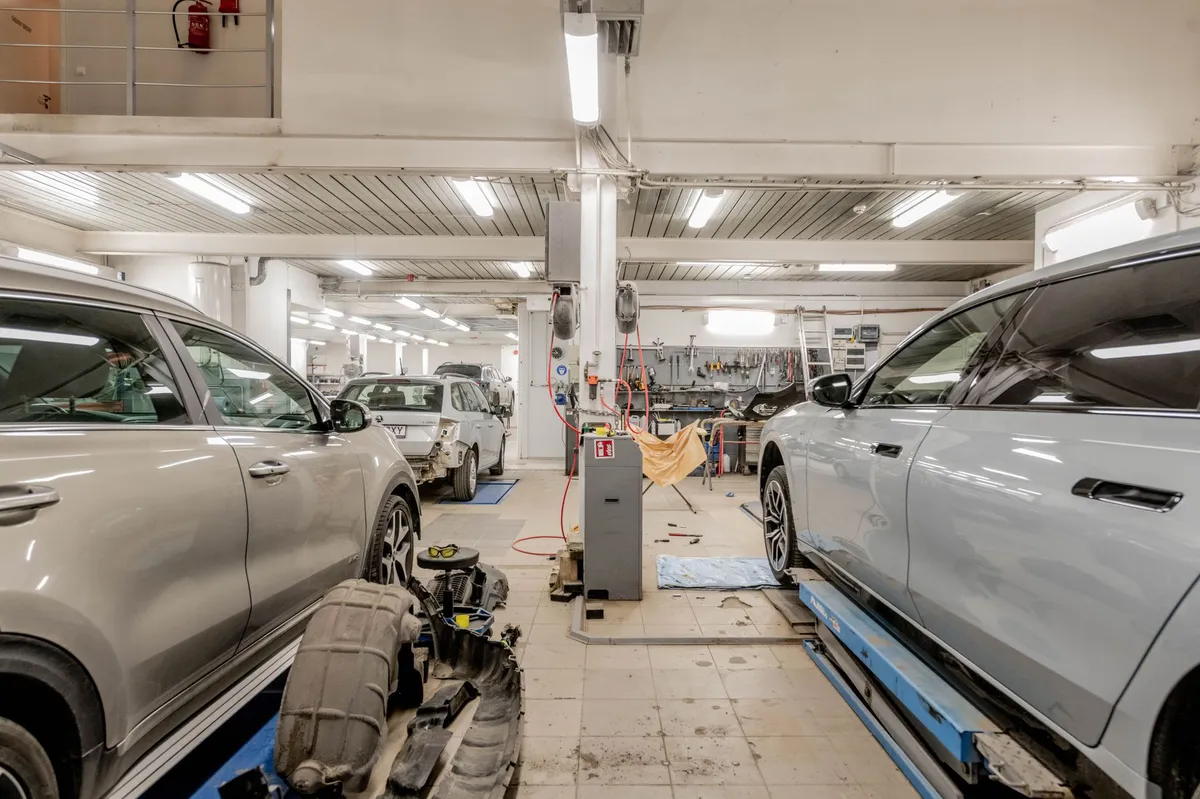
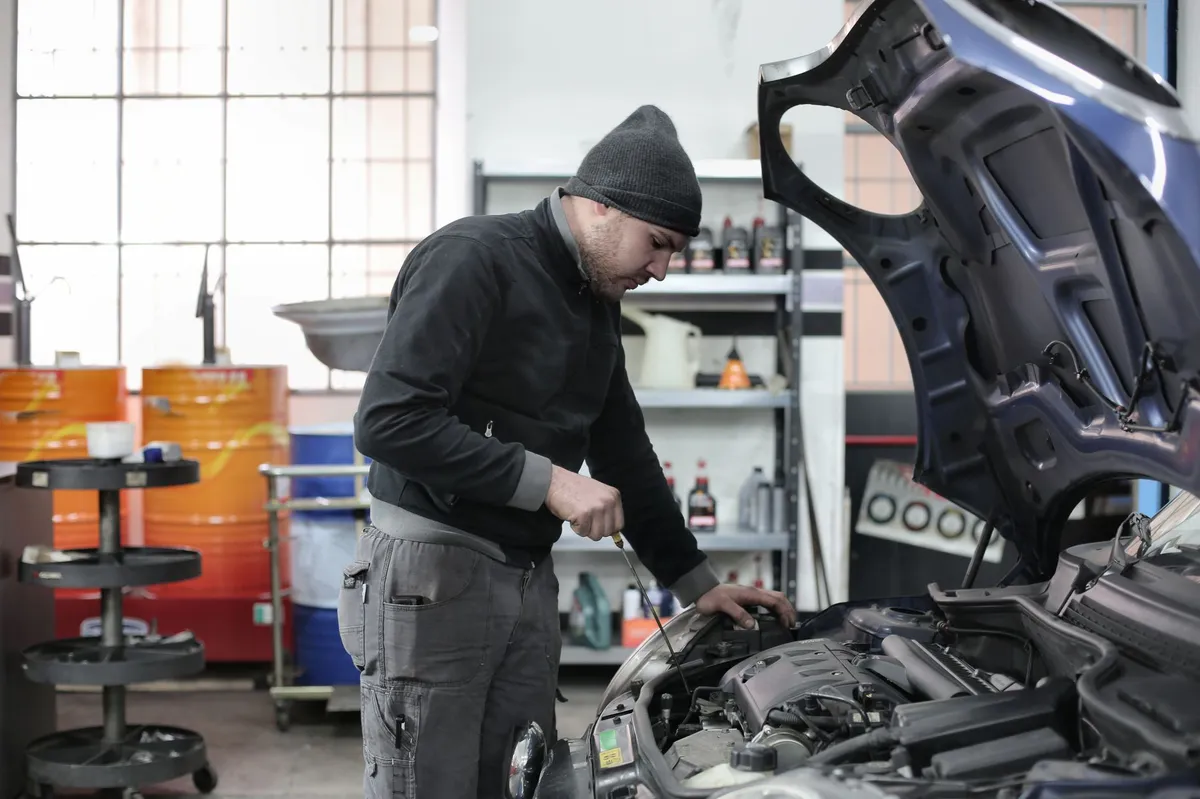
Advanced Driver Assistance Systems are designed to enhance vehicle safety and reduce the likelihood of accidents. However, as these systems become more prevalent, they introduce a new layer of complexity in auto repairs. Calibration is the process of adjusting the cameras, sensors, and radar involved in ADAS to ensure they operate correctly after a vehicle has been repaired. Without proper calibration, a vehicle's safety systems may not function as intended, potentially leading to dangerous situations on the road.
Calibration Costs on the Rise
The financial implications of calibration are becoming increasingly apparent. According to the 2026 Envision Trends report by Enlyte, calibration appeared on approximately 34.7% of repair estimates in 2025, a significant increase from just 12.1% in 2022. This rapid growth reflects a broader trend in the industry, as the average cost for calibration per estimate reached around $688 when calibration was necessary. Furthermore, the average number of calibrations per repair rose nearly 10% from the previous year.
- Calibration present in 34.7% of estimates in 2025
- Average calibration cost of $688
- 10% increase in average calibrations per repair from 2024
The Impact on Insurance Costs and Claims
The increasing prevalence and cost of calibration have significant ramifications for auto insurance policies. For agents and brokers, this trend necessitates a reevaluation of how physical damage coverage is sold and priced. As vehicles equipped with ADAS experience higher collision claim severity—about 10% higher for ADAS-equipped vehicles compared to those without—insurance providers must balance the increased repair costs with the overall reduction in claim frequency. While each individual claim may become costlier, the safety features inherent in ADAS help reduce the likelihood of accidents overall.
Claims Data Insights
Data from CCC Intelligent Solutions corroborates this trend, showing that calibrations were present in 28.3% of repairable estimates in the fourth quarter of 2025, up from 21.8% the previous year. This trend has contributed to an average repair cost of $4,818 and a record 23.1% total loss rate across all auto claims. Such statistics underscore the need for consumers to understand how their vehicle's technology affects both the likelihood of a claim and the associated costs.
The Calibration Gap: Risks and Responsibilities
Despite the increasing recognition of the need for calibration, a significant gap exists between the vehicles that require calibration and those that actually receive it. Industry research indicates that while calibrations appear on about a third of repair order estimates, more than 60% of vehicles involved in qualifying repairs may actually need calibration. This gap raises serious liability concerns; a vehicle repaired without proper calibration may be unsafe and expose the owner to risks long after the claim is closed.
Economic Pressures on Repair Shops
The uncertainty of reimbursement for calibration costs has deterred some repair shops from investing in the necessary equipment, creating real economic pressure within the industry. Repair shops often grapple with the costs associated with calibration technology, leading to a reluctance to adopt new practices even when they acknowledge the technical necessity. This situation suggests that the gap between what repairs are billed and what is technically required reflects broader economic challenges within the auto repair industry.
What Consumers Should Consider When Renewing Coverage
As the auto insurance landscape evolves, consumers must be proactive in understanding how calibration costs can impact their coverage. Farmers Insurance emphasizes the importance of discussing whether current physical damage limits and deductibles adequately account for calibration costs, which can range from $350 to $500 or more per system. With many consumers opting to decline comprehensive or collision coverage—especially during times of financial strain—it's crucial to ensure that policyholders are not left with a costly gap in their coverage.
Key Discussion Points for Agents
Agents should focus on specific renewal conversations rather than general awareness points. With the calibration cost data in hand, they can help clients confirm that their physical damage limits reflect the actual repair cost profile of their ADAS-equipped vehicles. Discussing deductible trade-offs in light of the increasing frequency and costs associated with calibrations can empower clients to make informed decisions.
Key Takeaways
- ADAS features are increasing auto repair complexity and costs.
- Calibration costs can average around $688 per estimate.
- Consumers should evaluate whether coverage limits reflect potential calibration expenses.
- Agents must guide clients through the implications of ADAS on their insurance policies.
Frequently Asked Questions
What are Advanced Driver Assistance Systems (ADAS)?
Advanced Driver Assistance Systems (ADAS) are a collection of technologies designed to enhance vehicle safety and assist drivers in avoiding collisions. These systems include features such as automatic emergency braking, lane-keeping assistance, and adaptive cruise control. While ADAS enhances safety, it also complicates the repair process following a collision, as these systems often require recalibration to function correctly after repairs.
Why are calibration costs increasing?
Calibration costs are rising due to the growing prevalence of ADAS in modern vehicles. As more vehicles are equipped with these advanced safety features, the need for precise recalibration after repairs has surged. The average calibration cost can reach around $688, and the percentage of repair estimates that include calibration has significantly increased over recent years, indicating a trend towards higher repair costs associated with ADAS.
How can consumers ensure they have adequate coverage for calibration costs?
Consumers should actively review their auto insurance policies to ensure that their coverage limits reflect the potential costs associated with calibrating ADAS. It is advisable to discuss these specifics with their insurance agent during policy renewals. This includes evaluating whether current deductibles and physical damage limits are sufficient to cover calibration expenses, which can range from $350 to $500 or more per system.
What should agents discuss with clients regarding ADAS?
Agents should engage clients in detailed discussions about the implications of ADAS on their insurance coverage. This includes clarifying how the presence of ADAS features impacts potential claim severity and frequency, discussing the rising costs of calibration, and ensuring that policy limits adequately account for these changes. By doing so, agents can provide clients with a clearer understanding of their insurance needs in a rapidly evolving automotive landscape.
Comments
Ford Issues Recall for 149,000 Vehicles Over Safety Concerns
Ford has announced a recall of nearly 149,000 vehicles due to critical safety issues that could lead to power loss and compromised visibility. Here’s what you need to know about the potential risks and solutions.

Related articles
Popular in Car Insurance
- Consumer Sues GEICO and LexisNexis Over Identity Theft Claims Data Error
- Addressing Self-Driving Cars' Interference with Emergency Services
- Florida Court Reverses PIP Ruling, Favoring State Farm in Key Dispute
- NHTSA Investigates Nearly 1 Million GM Vehicles for Engine Failures
- OpenRoad Insurance Expands Classic Car Coverage to 40 States