New York Court Ruling: Ashtray Assault Not Covered by Auto Insurance
A recent ruling by a New York appeals court clarifies the boundaries of uninsured motorist coverage, determining that an assault with an ashtray does not qualify as a covered accident under auto insurance policies.

In a significant ruling that underscores the complexities of auto insurance policies, a New York appeals court has clarified the scope of uninsured motorist coverage, emphasizing that not every injury occurring in the presence of a vehicle qualifies as a claimable accident. The case revolved around an incident involving a taxi driver who was assaulted with an ashtray by another driver after an accident. This ruling has implications for both drivers and insurers, as it highlights the legal intricacies surrounding policy definitions and the requirement for a direct causal link between the vehicle and the injury.
The Incident That Sparked Legal Controversy
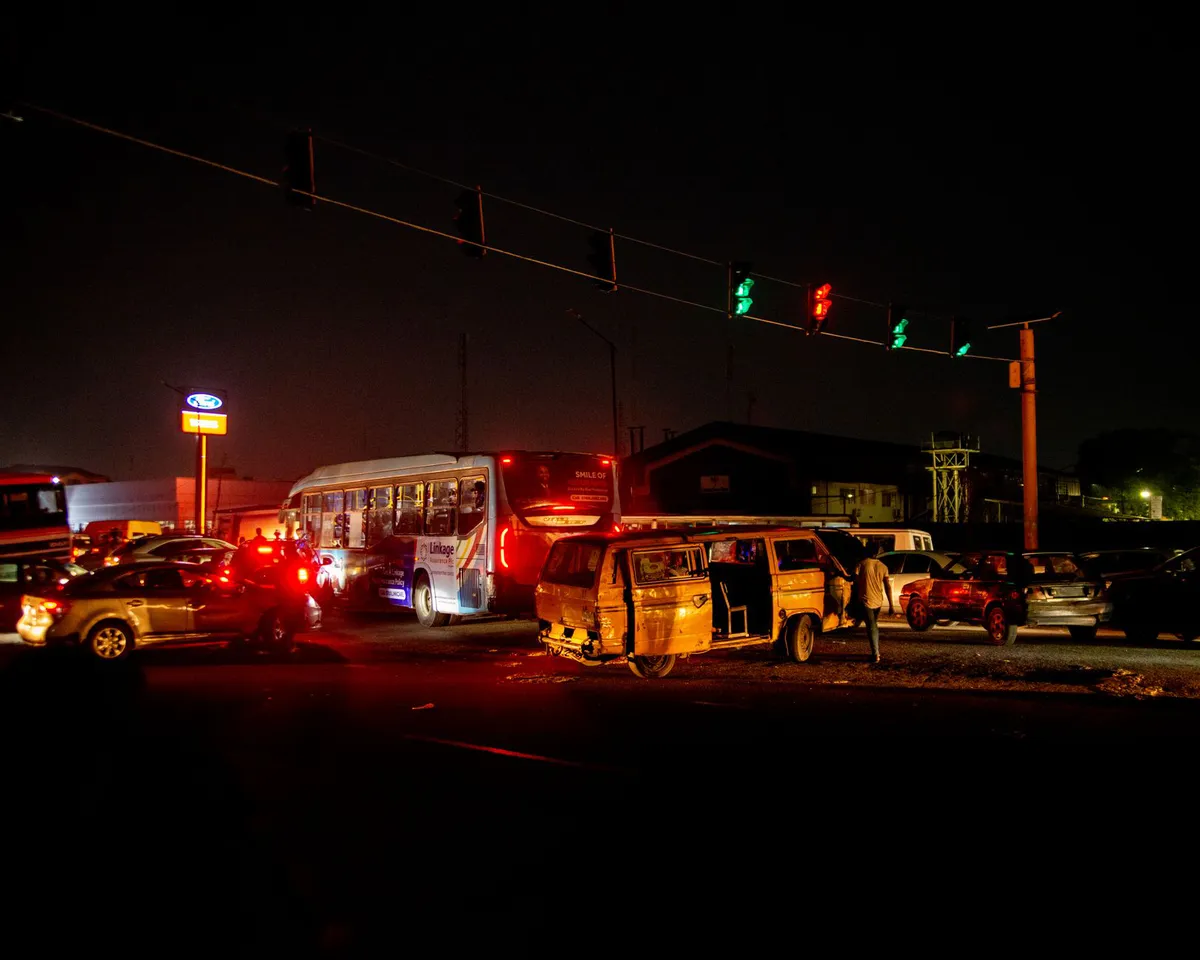
The events leading to this legal dispute took place on June 6, 2021, when a taxi driver, insured by Hereford Insurance Company, was involved in a minor collision with another vehicle. Following the accident, both drivers exited their vehicles to assess the situation. In a surprising turn of events, the driver of the uninsured vehicle allegedly struck the taxi driver in the face with an ashtray, leading to significant injuries. In response to this assault, the taxi driver sought compensation through the uninsured motorist provision of his Hereford insurance policy.
Understanding Uninsured Motorist Coverage
Uninsured motorist (UM) coverage is designed to protect drivers in situations where they are involved in an accident with a driver who lacks insurance. This coverage typically applies when the at-fault driver cannot compensate the injured party for damages. However, the scope of this coverage is not limitless; it often hinges on specific legal definitions and requirements. According to New York state law, for an accident to be covered under UM provisions, the injuries sustained must arise out of the ownership, maintenance, or use of an uninsured vehicle.
Legal Definitions Matter
The court's ruling hinged on a critical legal distinction: while the assault itself was unexpected and unusual, it did not meet the criteria established for a covered accident under the driver's insurance policy. The court emphasized that for UM coverage to be invoked, the vehicle must be the proximate cause of the injuries sustained. In this case, the assault was deemed to be the direct cause of the injuries, while the presence of the uninsured vehicle merely contributed to the context of the incident.
The Court's Reasoning: A Closer Look
The New York Appellate Division's ruling was clear: the injuries suffered by the taxi driver did not arise from the use or operation of a motor vehicle. The court articulated that the **vehicle must not merely contribute to the condition that produces the injury; it must itself produce the injury**. In this particular case, the assault was the sole cause of the injuries, disqualifying the claim from coverage under the UM provision of the insurance policy.
Key Takeaways from the Ruling
- The court reaffirmed that the **vehicle must be the direct cause** of the injury for UM coverage to apply.
- Injuries resulting from **assaults or altercations** are not typically covered under auto insurance policies.
- Policyholders need to understand the **specific language** and definitions included in their insurance contracts.
- Late-stage arguments in appeals may be dismissed if they were not raised during the initial proceedings.

Implications for Drivers and Insurance Policyholders
This ruling serves as a cautionary tale for both drivers and insurance policyholders. It highlights the importance of understanding the nuances of auto insurance policies, particularly regarding uninsured motorist coverage. For drivers, it is essential to be aware that not all incidents occurring around vehicles will qualify for coverage. If an injury arises from an altercation rather than the operation of a vehicle, claims may be denied, as illustrated in this case.
What Policyholders Should Consider
For anyone holding an auto insurance policy, it's vital to review the terms and conditions of your coverage. Here are some key considerations:
- **Know your coverage limits:** Understand what your uninsured motorist policy covers and any exclusions that may apply.
- **Clarify definitions:** Ensure you comprehend the definitions of accidents, injuries, and other relevant terms as outlined in your policy.
- **Seek legal advice:** If involved in an accident, particularly one with complex circumstances, consult with a legal expert to navigate the claims process effectively.
Key Takeaways
- A New York court ruled that injuries from an assault are not covered by uninsured motorist insurance.
- The ruling emphasizes the need for a direct causal link between a vehicle's use and the injury sustained.
- Policyholders should thoroughly understand their coverage and exclusions to avoid surprises during claims.
Frequently Asked Questions
What is uninsured motorist coverage?
Uninsured motorist coverage is an insurance provision that protects drivers in the event that they are involved in an accident with a driver who does not have insurance. This coverage typically helps pay for medical expenses, lost wages, and other damages that result from the accident, provided that the at-fault driver is uninsured.
Why did the court rule against the taxi driver in this case?
The court ruled against the taxi driver because the injuries he sustained were the result of an assault, not from the use or operation of a motor vehicle. The ruling clarified that for uninsured motorist coverage to apply, the vehicle itself must be the direct cause of the injury, which was not the case here.
Can I appeal an insurance claim denial?
Yes, policyholders can appeal an insurance claim denial. However, it is crucial to understand the grounds for the denial and to present compelling evidence or arguments to support the appeal. Consulting with a legal expert can be beneficial in navigating the appeals process effectively.
Comments
Essentia Insurance Wins Landmark Appeal on Antique-Car Coverage
A recent Eleventh Circuit ruling clarified the uninsured motorist coverage for antique vehicles, impacting how specialty auto insurance policies are interpreted. This decision has significant implications for policyholders and insurers alike.

Related articles
Popular in Car Insurance
- Consumer Sues GEICO and LexisNexis Over Identity Theft Claims Data Error
- Addressing Self-Driving Cars' Interference with Emergency Services
- Florida Court Reverses PIP Ruling, Favoring State Farm in Key Dispute
- NHTSA Investigates Nearly 1 Million GM Vehicles for Engine Failures
- OpenRoad Insurance Expands Classic Car Coverage to 40 States